Nigeria Targets $30–$50 Billion in Investment From 22 Offshore Oil and Gas Projects
Key Takeaways
- •Nigeria expects to attract between $30 billion and $50 billion in investments from 22 offshore oil and gas projects over the next five years.
- •Since 2024, the NUPRC has approved more than $57 billion in Field Development Plans, some of which have already resulted in Final Investment Decisions.
- •Major international oil companies including Shell, ExxonMobil, and Equinor have divested or plan to divest Nigerian onshore assets due to security risks, redirecting capital toward deepwater opportunities.
- •Nigeria's crude oil production reached 1.56 million bpd in June, the highest monthly average since April 2020, and total output exceeded 1.8 million bpd in July.
- •The Petroleum Industry Act of 2021 established the NUPRC and revised fiscal terms to make deepwater and frontier projects more commercially viable.
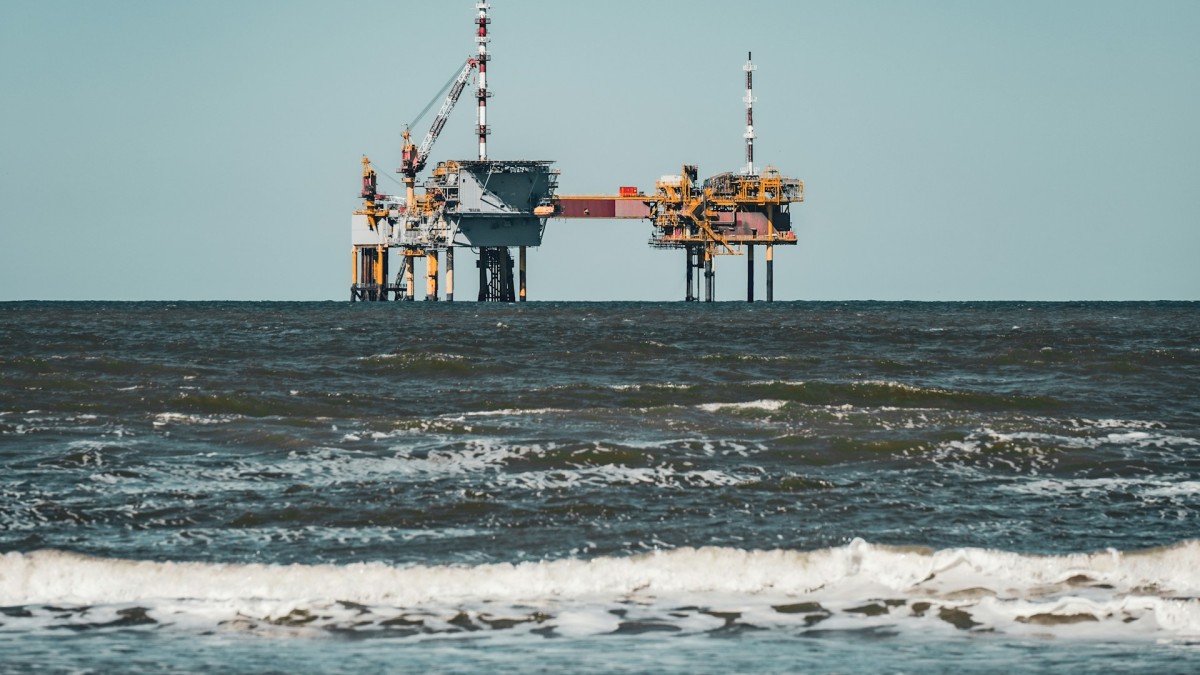
Nigeria's Upstream Petroleum Regulatory Commission (NUPRC) announced that the country expects to attract between $30 billion and $50 billion in investments from 22 offshore oil and gas projects over the next five years.
"Beyond increasing production, these investments will create jobs, expand infrastructure, strengthen energy security and reinforce Nigeria's position as a leading global upstream investment destination," NUPRC Chief Executive Oritsemeyiwa Eyesan said, as quoted by The Sun.
Eyesan added that since 2024, the NUPRC has approved more than $57 billion in Field Development Plans, some of which have already translated into Final Investment Decisions.
The offshore focus of the 22-project portfolio is notable: Nigeria's onshore Niger Delta operations have long been hampered by crude oil theft, pipeline vandalism, and community disputes, issues that have contributed to years of underinvestment and production declines from peaks above 2.2 million bpd in the early 2010s. Major international oil companies including Shell, ExxonMobil, and Equinor have divested or announced plans to divest Nigerian onshore assets, redirecting capital toward deepwater and offshore opportunities where security risks are lower.
The investment outlook comes amid a sustained recovery in Nigerian oil output. According to the NUPRC, Nigeria produced 1.56 million barrels per day (bpd) of crude oil in June, marking the highest average monthly production volume since April 2020. That figure slightly exceeded the country's OPEC+ quota. However, with significant production disruptions in the Middle East, OPEC has gradually unwound its self-imposed supply restrictions, allowing non-Middle Eastern members to increase output without facing repercussions, as the group moved to compensate for lost Persian Gulf supply.
Total Nigerian crude oil and condensate production rose for a fourth consecutive month to 1.735 million bpd in June. The NUPRC reported in July that the improvement was "primarily driven by stable production operations across most producing assets and the absence of any major pipeline outages during the period under review." The commission also indicated it expects combined crude oil and condensate production to reach 2 million bpd "in the near term."
Production continued to climb in July, with average daily output exceeding 1.8 million bpd, according to the regulator. As of August, production has been running at approximately 1.78 million bpd.
The investment push builds on regulatory reforms enacted under the Petroleum Industry Act of 2021, which overhauled Nigeria's decades-old oil and gas legal framework after nearly 20 years of legislative deliberation. The law established the NUPRC and introduced revised fiscal terms designed to make deepwater and frontier projects more commercially viable, addressing concerns that the previous royalty and tax regime had deterred investment in high-cost offshore developments.
Nigeria's oil and gas sector remains central to the country's fiscal stability, accounting for 66% of budget revenues and as much as 80% of foreign currency earnings.
By Irina Slav for Oilprice.com

