Nigeria's Gaming Centres Are Building Regional Stars, Cade Esports Impact Report Finds
Key Takeaways
- •The National eSoccer League pathway comprised nine grassroots qualification centres and ₦5.3 million in listed prize pools across the Onile, Division Two and Elite stages.
- •Rivalry Series Season 2, staged in Ikeja, Lagos on September 4–5, 2026, recorded 115,000 YouTube views across two streams, nearly 5,000 peak concurrent viewers, 4,000 live chatters and 1,400 free ticket claims.
- •Gaming centres integrated into the Onile qualification system experienced increased foot traffic during competition periods, giving operators a practical stake in the league's growth.
- •At the report's June 2026 measurement point, players Faruk Manzo and Killer Freak had combined followings of 134,732 and 44,564 respectively across Instagram, TikTok and X.
- •Kenya's Prorate won Rivalry Series Season 2 unbeaten with four victories and a reported 500 per cent increase in his following, with coverage extending through Kenyan television and esports platforms in Ghana and Senegal.
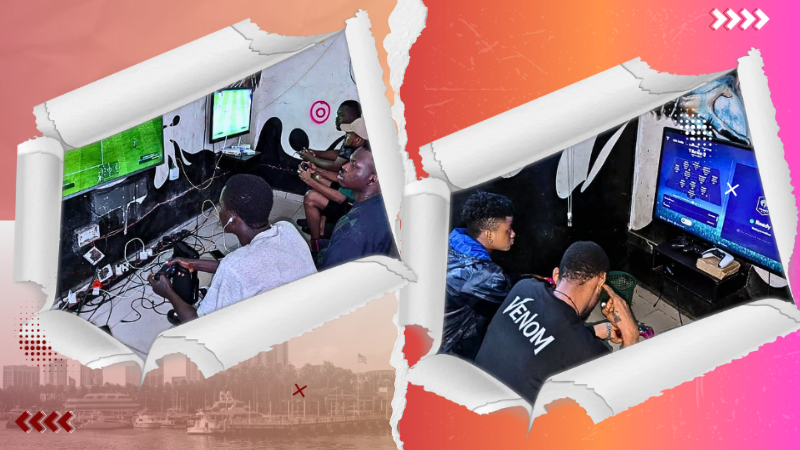
Cade Esports has released an impact report on Nigeria's National eSoccer League, a competitive football video-game league, and its regional extension, the Rivalry Series, documenting how organised competition is drawing foot traffic to local gaming centres and building commercial value around players.
For Nigeria's local gaming centres, competitive esports is bringing more people through the door. For players, it is creating something that can outlast a tournament win: a recognisable name, a following and a platform for commercial opportunities.
The figures cited in the report illustrate the scale of that connection. Nine grassroots qualification centres formed part of the league pathway, with ₦5.3 million in listed prize pools across its Onile, Division Two and Elite stages. At the regional level, Rivalry Series Season 2 recorded 115,000 YouTube views across two streams, nearly 5,000 peak concurrent viewers and 4,000 live chatters, according to Cade.
Behind those numbers lies a commercial question of growing relevance to Nigerian esports: how can the communities that produce gaming talent participate in the value that talent creates?
Gaming centres gain a stake in the competition
Cade's model begins with the Onile system, which integrates local gaming centres into the league's qualification structure. The centres serve as entry points for players and as community bases from which supporters can follow their progress.
According to Cade, participating centres experienced increased foot traffic during competition periods as players and supporters gathered around fixtures. This gives the grassroots impact an immediate business dimension: organised competition brings people into venues where the gaming community already spends time. Higher foot traffic creates opportunities for additional gaming sessions, refreshments and repeat visits. Although the financial value of that increase has not been quantified, it gives centre operators a practical stake in the competition's growth.
The centres also gain a continuing story to build around. A player advancing from a local venue into league competition gives that community a representative to support, strengthening the connection between neighbourhood participation and the wider esports audience.
Chima Paulson Chima, CEO of Cade Esports, said: "Our vision is for the growth of Nigerian esports to create value across the entire pathway. A gaming centre should benefit from the community and talent it develops. A player should be able to build a career and a commercial identity. Businesses should see an industry they can invest in with confidence. This report shows the progress we are making in connecting those opportunities, from local competition to a regional stage."
Player brands as commercial assets
The league's commercial significance also rests on its ability to make players recognisable beyond individual results. Recurring fixtures, rivalries and player-focused content give audiences reasons to return. Over time, that attention can build commercial value around a player's name, gamertag, image and personality — the foundations of a personal brand.
The report highlights Faruk Manzo and Killer Freak among the players attracting substantial audiences. At its June 2026 measurement point, ahead of September's Rivalry Series Season 2, Faruk's combined follower counts across Instagram, TikTok and X stood at 134,732, while Killer Freak's stood at 44,564. Those figures represent platform follower totals rather than unique individuals. They nevertheless demonstrate the audience assets associated with leading players and the potential for partnerships built around their reach and fan relationships.
For brands, this opens opportunities in sponsored content, appearances, endorsements and player-led merchandise. For players, it creates the possibility of earning beyond prize money. The league provides a setting in which that value can develop: repeated exposure, competitive stakes and storylines audiences can follow across a season. Winning attracts attention, but a sustained relationship with supporters gives that attention longer commercial relevance.
Regional expansion through the Rivalry Series
The Rivalry Series extends the opportunity beyond the domestic league. National eSoccer League winners progressed to the event, extending their competitive journey into a regional setting. That progression gives grassroots participants a visible destination and gives established players access to wider audiences and new competitive relationships.
Rivalry Series Season 2, held on September 4–5, 2026, at The Celebr8 Centre in Ikeja, Lagos, also demonstrated the platform's capacity to raise the profile of talent from elsewhere in Africa. Kenya's Prorate won the competition unbeaten, recording four victories from four matches. Cade's results deck reports a 500 per cent increase in his following during the series. Kenyan television coverage and amplification through esports platforms in Ghana and Senegal further extended the event's visibility.
Alongside its online audience, the event recorded 1,400 free ticket claims, indicating demand for an in-person experience around the competition.
Kunmi Adenipebi, Head of League Structure, said: "The league's growth depends on giving players a clear route forward and giving fans a reason to keep following them. The Onile system connects local participation to organised league competition, while the Rivalry Series extends that journey regionally. Our focus is to strengthen that continuity: more competitive opportunities, stronger connections with the centres and a league that players, fans and partners can build around season after season."
A structure built for partners
For commercial partners, the structure offers access to several connected audiences: communities inside gaming centres, viewers following the league, supporters of individual players and fans watching regional competition. That creates scope for partnerships lasting beyond a single event — a sponsor can support grassroots participation, follow a player's progression and remain part of the story as that player reaches a larger stage.
The economic activity also extends to the people delivering the competition, including venue operators, production crews, commentators and content creators.
The next measure of progress will be how consistently this attention translates into centre revenues, player income and repeat commercial partnerships. Cade's report sets out why those outcomes deserve closer attention: local venues are attracting competition-related foot traffic, players are building identifiable audiences, and a Nigerian league pathway is feeding into regional competition. The full report is available at gameevotech.com.

