Nigeria Fintech Week 2026 Opens in Lagos as Leaders Push for African Expansion
Key Takeaways
- •FintechNGR President Dr Stanley Jacob identified stronger digital infrastructure, responsible AI scaling, closing the financial inclusion gap, and easier cross-border operations as the sector's four priorities beyond payments.
- •Transactions on the NIBSS Instant Payment platform grew from roughly 1.5 billion in 2022 to nearly 11 billion in 2024, according to Jacob.
- •The Africa Fintech Network, now covering more than 44 countries, is working with Afreximbank and major fintechs on a Fintech License Passporting Initiative to ease cross-border expansion for properly regulated firms.
- •Lagos State is developing a digital services portal consolidating more than 300 government services and drafting an Innovation Bill alongside a responsible AI adoption framework.
- •U.S. Consul General Brandon Hudspeth said Nigeria hosts about 430 fintech firms and that U.S. investors provided roughly 60% of venture equity funding into the country's tech ecosystem between 2015 and 2025, worth about $5 billion.
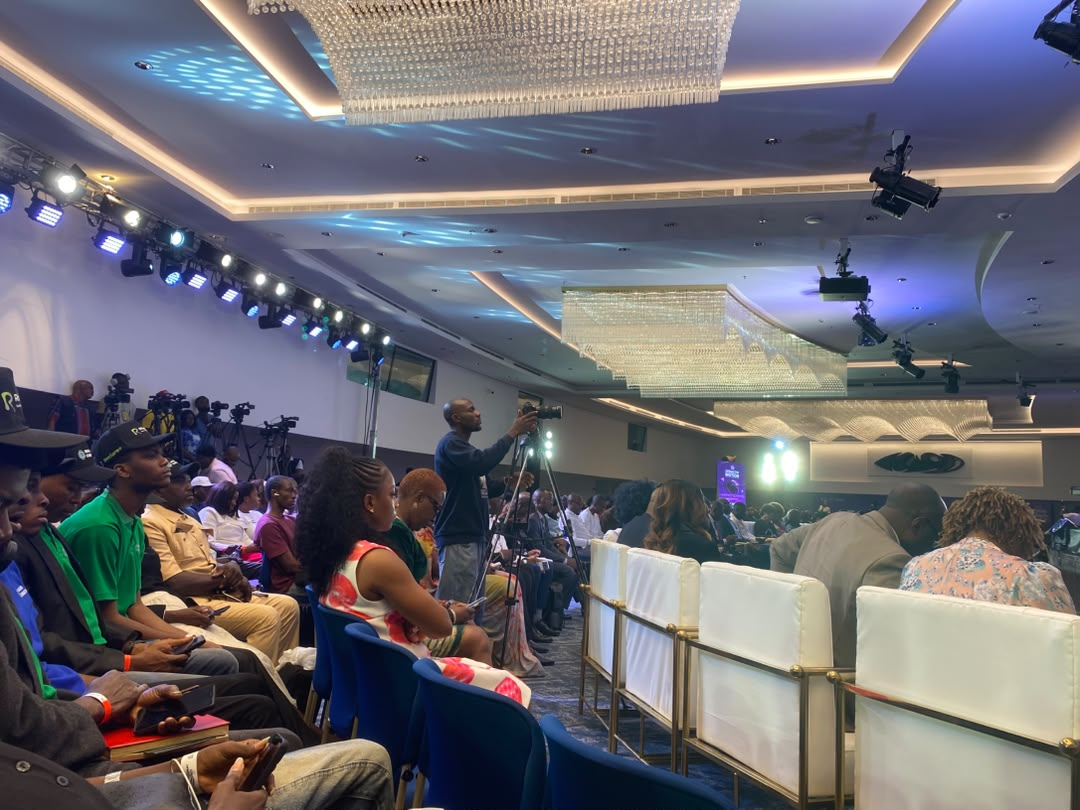
Nigeria's fintech industry has entered a new phase. A few years ago, the central question was whether Nigerians would trust digital payments enough to use them every day. Today, with billions of transactions flowing through digital channels, industry leaders are asking a much bigger question: what can fintech build on top of the system it has already created?
That theme framed the opening of Nigeria Fintech Week 2026, which began in Lagos on Tuesday, September 22, drawing fintech founders, banks, regulators, government officials and international investors to the Wole Soyinka Centre for Culture and Creative Arts, formerly known as the National Theatre.
The two-day event, organised by the Fintech Association of Nigeria (FintechNGR) and running through September 23 under the theme "Legacy in Motion: Powering the Digital Renaissance," carried a consistent message from its opening speeches: Nigeria's fintech sector has moved beyond payments. Its next frontier lies in infrastructure, artificial intelligence, financial inclusion and taking Nigerian-built financial products across Africa and the world.
Beyond Payments
Dr Stanley Jacob, President of FintechNGR and Chief Host of the event, opened the conference by reflecting on how dramatically the industry has evolved.
"People are no longer asking what fintech is; people are asking, 'How do we make money from it?' because we've seen all the things that are going on," he said.
Jacob, however, argued that the sector's next challenge extends beyond building more payment applications. He identified four areas needing attention: stronger digital infrastructure, responsible AI and scaling, closing the financial inclusion gap, and making it easier for fintech companies to operate across African borders.
Nigeria's payment infrastructure has already expanded rapidly. According to Jacob, transactions on the NIBSS Instant Payment platform rose from roughly 1.5 billion in 2022 to nearly 11 billion in 2024. The industry's task now, he indicated, is determining what comes after the payment itself.
A Continental Market
Dr Segun Aina, President of the Africa Fintech Network and Chairman of the Board of Trustees of FintechNGR, widened the discussion beyond Nigeria. He recalled that FintechNGR was established in 2017, when the country's fintech landscape was still fragmented. A year later, the Africa Fintech Network was launched in Lagos with fintech communities from about five African countries.
Today, Aina said, the network covers more than 44 African countries. His point was straightforward: Nigerian fintech companies have a far larger market to pursue than Nigeria alone.
"Nigeria is just a market of 240 million people, but Africa is a market of 1.4 billion people," he said.
Cross-border expansion, however, is not always easy. A fintech entering another African country can face an entirely different licensing system, compliance rules and approval process. To address this, Aina said the Africa Fintech Network is working with organisations including Afreximbank and major fintech companies on a Fintech License Passporting Initiative, which aims to create a framework that would make cross-border expansion easier for properly regulated firms.
"The objective is not to weaken regulation," he said.
Aina also called on banks and fintech companies to collaborate rather than treat each other as competitors. "The future should therefore not be about banks versus fintechs; it should be about banks with fintechs, regulators with innovators, investors with entrepreneurs," he said.
Lagos State's Digital Agenda
The Lagos State Government used the event to outline its own digital plans. An official representing Deputy Governor Dr Kadri Obafemi Hamzat said the state is developing a digital services portal that consolidates more than 300 government services onto a single platform, covering areas such as permits, housing, education, public safety and payments.
The state is also drafting an Innovation Bill for startups and technology businesses, alongside a framework for responsible AI adoption. The efforts signal that Lagos views digital transformation as extending beyond private fintech companies: government services must also become easier for residents to access.
Central Bank: Confidence and Guardrails
Speaking on behalf of Central Bank of Nigeria (CBN) Governor Olayemi Cardoso, Mr Abiodun Okunola said four issues are slowing Nigeria's fintech growth: fragmentation, lack of trust, exclusion and fear of innovation.
He called for closer cooperation among fintechs, banks and regulators, while urging companies to build for people who are often left out of financial services.
"Every payment may begin as a transaction, but it succeeds only when it ends in confidence," he said.
Okunola added that regulation should protect users without unnecessarily hindering innovation. "Our task is to remove discipline or abandon safeguards; it is to replace unnecessary friction with intelligent guardrails," he said. He pointed to AI, embedded finance, open banking and cross-border payments as areas that will require regulators to keep pace with the industry.
Deepening U.S. Ties
Brandon Hudspeth, the U.S. Consul General in Lagos, highlighted the growing commercial ties between the two countries, noting that Nigeria now hosts about 430 fintech firms. He cited Flutterwave, Paystack and Moove as examples of Nigerian companies that built products locally and expanded globally.
Hudspeth also said U.S. investors provided roughly 60% of the venture capital equity funding into Nigeria's wider tech ecosystem between 2015 and 2025, worth about $5 billion.
"The financial and tech solutions you're engineering here in Lagos are not just solving challenges locally, but they're building models across the entire world," he said. He added that the United States wants to deepen trade and investment with Nigeria, with technology and finance at the centre of that relationship.
The opening day made one thing clear: Nigeria has already built a fintech industry. The next challenge is deciding what it can become.
Source: TechNext24

