New Zealand posts NZ$1.95 billion July trade deficit (prior: NZ$23 million)
Key Takeaways
- •New Zealand’s trade balance shifted to a NZ$1.95 billion deficit in July 2026 from a NZ$23 million surplus in June.
- •Imports increased to NZ$9.34 billion in July, while exports declined to NZ$7.39 billion.
- •The monthly deficit was driven by imports rising about NZ$1.27 billion and exports falling about NZ$700 million.
- •New Zealand’s rolling 12-month trade deficit widened to NZ$5.24 billion from NZ$3.75 billion.
- •Stats NZ will next publish monthly trade data to show whether July’s move reflected a temporary swing or a broader trend.
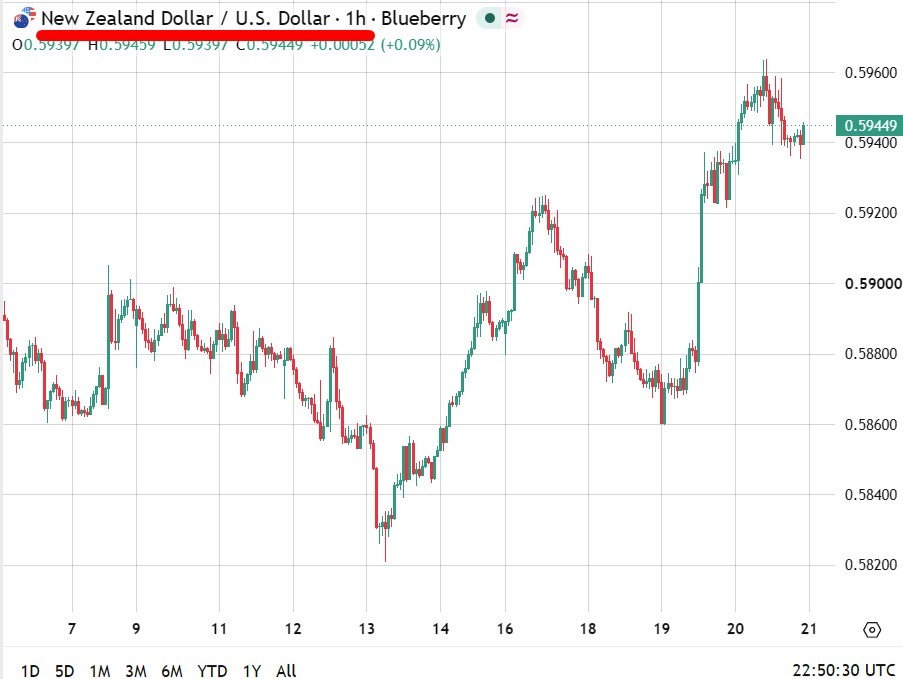
New Zealand recorded a monthly trade deficit of NZ$-1.95 billion in July 2026, a sharp reversal from the prior month's reading of NZ$23 million, when exports slightly exceeded imports.
According to the latest trade data reported by Investinglive, New Zealand's July 2026 figures were:
- Trade balance: NZ$-1.95 billion (prior: NZ$23 million)
- Imports: NZ$+9.34 billion (prior: NZ$8.07 billion)
- Exports: NZ$+7.39 billion (prior: NZ$8.09 billion)
The July deficit reflected imports rising by roughly NZ$1.27 billion from the prior month while exports declined by about NZ$700 million. Monthly goods-trade figures can be volatile and influenced by the timing of large one-off shipments such as aircraft, so analysts tend to weigh the annual trend more heavily than any single month.
On an annual basis, New Zealand's rolling 12-month trade balance came in at NZ$-5.24 billion, wider than the prior reading of NZ$-3.75 billion. A negative trade balance indicates that the value of a country's imports exceeded the value of its exports over the measured period, while the annual figure aggregates trade results over the preceding twelve months. The trade balance matters beyond the monthly ledger: net exports feed directly into GDP, and sustained trade gaps contribute to the current account, which New Zealand has historically run at a deficit.
As a small, open economy, New Zealand is sensitive to shifts in external demand, with dairy, meat and forestry products among its principal goods exports and China and Australia among its largest two-way trading partners. Trade data sits within the broad set of economic indicators the Reserve Bank of New Zealand monitors when setting monetary policy. The next monthly release from Statistics New Zealand (Stats NZ), which compiles and publishes the figures, will show whether July's rise in imports and softer exports were isolated or part of a broader pattern, with the rolling annual balance offering the cleaner read on the country's external position.
