Jake Tapper Fact-Checks Rep. Mike Flood on Trump Polls, Housing Bill and $40 Trillion National Debt
Key Takeaways
- •Tapper questioned Flood about Trump’s poor polling and the possible effect on Republican races ahead of the midterms.
- •Tapper noted that the housing affordability bill Flood helped write became law without Trump’s signature after the president declined to sign it within the 10-day window.
- •The interview highlighted the long-standing pattern of the president’s party losing House seats in most midterm elections since World War II.
- •U.S. national debt crossed $40 trillion this week for the first time, and interest payments are now among the federal government’s largest costs.
- •Flood blamed Democrats for the debt increase and argued that Republicans are the only party concerned about spending.
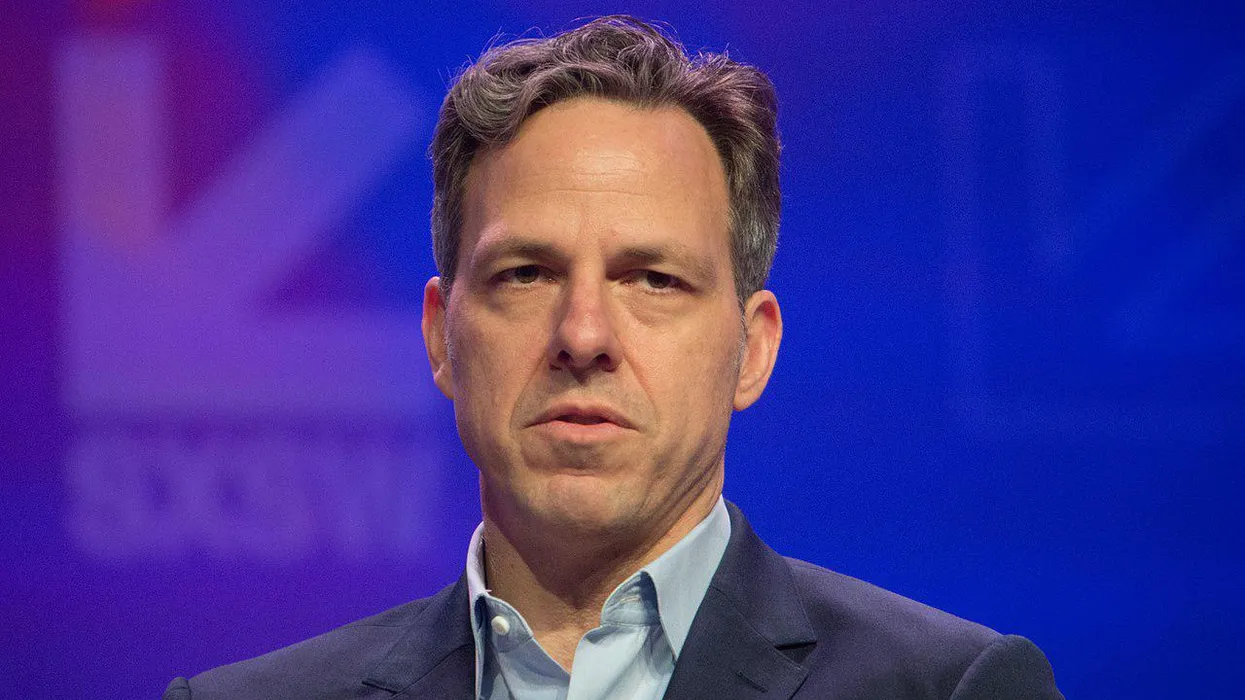
CNN anchor Jake Tapper pressed U.S. Rep. Mike Flood (R-Neb.) over President Donald Trump’s poll numbers, the national debt and Republican legislative priorities during a Thursday interview, repeatedly interrupting the lawmaker’s packaged talking points with fact checks.
Tapper opened by asking Flood to react to Trump’s dismal poll numbers and the apparent effect the president’s unpopularity is having on individual GOP races up and down the ballot.
Flood — a former speaker of the Nebraska Legislature who has represented the Lincoln-based 1st Congressional District since winning a 2022 special election — responded by pointing to the passage of the Housing Affordability law, which he said had increased building and construction hiring in his state. As Flood argued that a steel mill in Nebraska “couldn’t be busier,” Tapper cut him off.
“Well, I mean, polls indicate that … voters overwhelmingly do not agree with your assessment of the economy. And I will note that that Housing Bill that you helped write to help people afford homes, President Trump didn’t sign it. It became law without his signature,” Tapper said, momentarily throwing the lawmaker.
Trump had withheld his signature from the bill in an effort to pressure Congress into passing the SAVE America Act, which could not pass without several difficult rules changes in the Senate. Because he neither signed nor vetoed the housing measure within the Constitution’s 10-day window — Sundays excluded — it became law by default while Congress remained in session.
“Sometimes I look at what he’s doing in terms of how much he’s talking about construction projects and the war, and not talking about the issues that you’re talking about. No tax on tips, et cetera. And I think it’s almost as if he’s trying to lose the midterms for Republicans,” Tapper added.
The exchange touched on a durable political pattern: the president’s party has lost House seats in nearly every midterm since World War II, with 1998 and 2002 the only exceptions.
“Well, listen, I can I can only control myself,” Flood said, before ticking off a list of complaints, including accusations that Democrats were “registering their dog” to vote.
Tapper then held Flood to account over the national debt, which reached the $40 trillion mark this week for the first time. Treasury data show the total has roughly doubled over the past decade, while annual interest payments on the debt now rival defense spending among the federal government’s largest expenses. The debt ceiling itself was reset last summer, when Republicans enacted a $5 trillion increase.
“President Trump has been, um, the president for about 25 percent of this $40 trillion,” Tapper pressed. “Republicans controlled the White House, the House, the Senate. The country is on track to hit the debt limit that Republicans raised last summer by 2027. Why isn’t your party more focused on what’s clearly going to be a catastrophe for our children’s futures and, frankly, for generations to come? I’m sure I don’t need to tell you how much of our federal budget goes to just pay down the interest of the debt.”
Flood placed the blame on Democrats.
“Frankly, we’re the only party concerned about that,” Flood insisted. “Joe Biden, Nancy Pelosi, Chuck Schumer and all the Democrats went wild during Covid. They went wild with the spending. … If we’re gonna get a lecture from Democrats it should start with ‘where are we going to cut.’”
