New York Times Reporter Shadows Binance Founder CZ in Abu Dhabi, Offering New Details on His Life After Prison
Key Takeaways
- •A New York Times reporter shadowed Binance founder Changpeng Zhao in Abu Dhabi to produce the profile, with the Gulf setting reflecting regional efforts to attract digital-asset firms as part of economic diversification.
- •Zhao founded Binance in 2017 and built it into the world's largest cryptocurrency exchange by trading volume before stepping down as chief executive in late 2023.
- •Zhao pleaded guilty in the United States to federal anti-money-laundering violations, and Binance resolved the case with a $4.3 billion settlement, among the largest enforcement outcomes involving a cryptocurrency company.
- •Zhao is widely reported to remain one of Binance's largest shareholders, which ties scrutiny of his post-prison image directly to the exchange's standing.
- •An accompanying market snapshot recorded no Binance trading volume over the prior 24 hours, a stagnation the article attributed to broader crypto market uncertainty compounded by regulatory scrutiny.
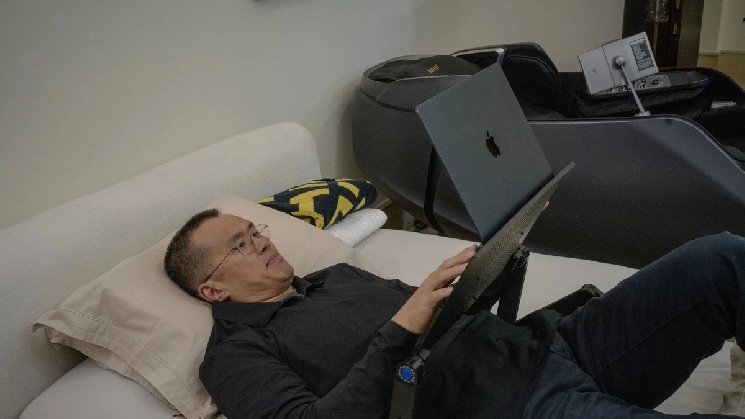
The New York Times has published an in-depth profile of Changpeng Zhao, the founder of Binance known throughout the industry as CZ, after a reporter shadowed him in Abu Dhabi. The feature documents previously unknown details of his life following his release from prison, ranging from his personal habits to his diplomacy with members of the region's royal circles.
According to the report, the piece offers a close look at Binance's operations and its leader's character, providing fresh context about CZ's journey and the company's future direction. Binance is one of the largest cryptocurrency exchanges in the world, known for its extensive range of trading options, and the Times' decision to profile its founder comes at a time when public interest in the exchange and its leadership is central to its reputation and operational strategies. The setting carries its own signal: Abu Dhabi has spent recent years courting digital-asset firms as Gulf states push to diversify their economies, and the close access granted to a founder of Zhao's prominence underscores how closely leadership reputations remain tied to platform credibility in crypto.
Zhao founded Binance in 2017 and built it into the world's largest cryptocurrency exchange by trading volume. He stepped down as chief executive in late 2023 after pleading guilty in the United States to violations of federal anti-money-laundering requirements, with Binance resolving the case through a $4.3 billion settlement with US authorities — an outcome that stood among the largest enforcement resolutions involving a cryptocurrency company. He served a four-month prison sentence before returning to public life and has since remained a prominent figure in the industry. Zhao is also widely reported to remain one of Binance's largest shareholders, which helps explain why scrutiny of his post-prison image extends beyond personal curiosity and touches directly on the exchange's standing.
The report's accompanying market snapshot described a lack of significant trading activity, with no recorded volume for Binance over the prior 24 hours — a stagnation the article attributed to broader uncertainty in the crypto market, compounded by regulatory scrutiny. More broadly, the crypto market has been sending mixed signals, with momentum varying across major assets.
According to the article, the public's reaction to the profile could shape perceptions of Binance within the crypto community as the company works to navigate ongoing regulatory challenges. For an exchange whose brand has long been intertwined with its founder, how the piece lands with users, partners and policymakers is likely to feed into that dynamic. It adds that developments in the regulatory landscape may influence trader sentiment in the coming weeks, framing the interplay between Binance's narrative and market dynamics as a trend worth monitoring closely.
Source: CryptoNewsNet

