Nearly 75% of new homeowners spend $10,000 on surprise repairs within two years
Key Takeaways
- •Jobber found that 72% of newly minted homeowners spent about $10,000 on surprise repairs within two years of purchase.
- •Fifty-eight percent of survey respondents said they discovered unexpected repair needs immediately after moving in.
- •Experts said many first-time buyers underestimate homeownership costs because mortgage qualification does not account for long-term maintenance, insurance, and property taxes.
- •The article says non-mortgage housing costs rose 30% in 2025, and the average U.S. property tax bill reached $4,427.
- •Financial experts recommend saving at least 1% of a home’s value each year for maintenance, or 3% for older homes.
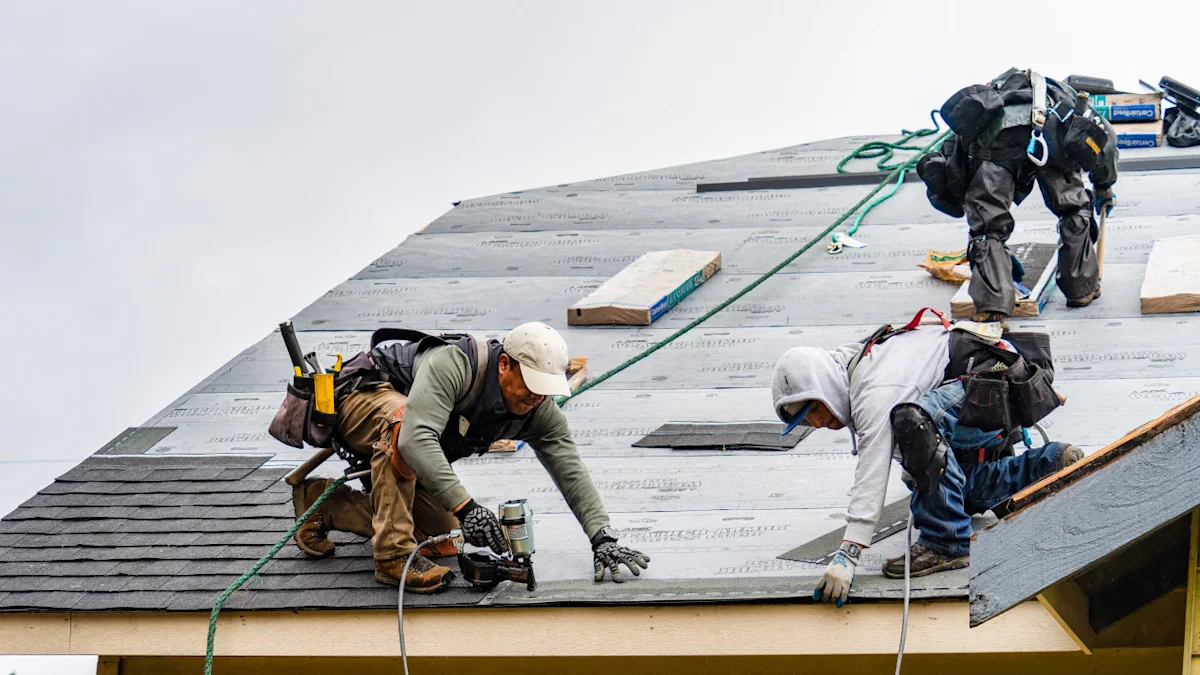
Nearly 75% of new homeowners spend $10,000 on surprise repairs within two years
Moneywise and Yahoo Finance LLC may earn commission or revenue through links in the content below.
First-time homebuyers often face the usual highs and lows of purchasing a home, but one of the biggest shocks to a household budget is the cost of maintenance and repairs. Those expenses rarely appear in the "expected expense" column, according to a new study from Jobber, a home service software provider.
The survey found that while 93% of Americans say they are pleased with owning a new home, 58% discovered unexpected repair needs immediately after move-in day. More than that, 72% of newly minted homeowners said they spent about $10,000 on those surprise fixes within two years of buying the property.
The findings come at a time when buyers are already stretching their budgets to enter the market. Elevated home prices and borrowing costs over the past several years have left many purchasers with minimal reserves after closing, making the financial shock of even routine repairs more acute.
"The biggest mistake first-time buyers make is assuming that if they can afford the mortgage payment, they can afford homeownership," Daniel Amodeo, president of Boston-based Amo Realty, told Moneywise.
He said the first two years of ownership often bring expenses people never planned for, including replacing a water heater or HVAC system, as well as higher insurance premiums, property taxes, landscaping and routine maintenance.
"I always tell buyers to leave the closing table with a healthy emergency fund because it's usually not a question of if something will break, but when," Amodeo said.
That view was reflected in the Jobber survey, where 45% of respondents said they would advise future buyers to set aside more money for household repairs than they think they will need.
Buyers often focus on the listing price and mortgage payment, but overlook other costs that come with owning a home. "First-time homebuyers often lack the experience to understand the surprise expenses," Wyatt Simon, founder of Omaha Home Advisors, told Moneywise.
Where the biggest early repair bills come from
New homeowners are often better off focusing on the parts of a home that keep it structurally sound and operating safely and efficiently rather than on cosmetic features such as decor or cabinet space.
The age of the housing stock itself is a factor. According to the most recent data from the U.S. Census Bureau's American Housing Survey, the median age of owner-occupied homes in the United States exceeds 40 years, meaning many properties on the market have systems and components approaching or past their expected service life.
"Most surprises are seldom cosmetic," Alexei Morgado, a Florida-based real estate agent and founder of Lexawise, a digital real estate exam preparation platform, told Moneywise. "They're related to the age of roofing systems, heating and air conditioning units, water heaters, plumbing or electrical systems, and insurance deductibles."
Those problems often appear at the same time because the systems may be the same age. In addition, many buyers are not prepared for these costs because mortgage qualification focuses more on whether they can afford the monthly payment than on long-term maintenance.
"Home inspection represents just a snapshot and is no guarantee of the life left in the equipment," Morgado said. "Most of the buyers may use all of their available funds to pay for a down payment, closing costs, moving, and furniture."
Read More: Millionaires under 43 hold only 25% of their wealth in stocks. Here's where their money is actually going
Insurance and property taxes are changing homeownership costs
Many new homeowners also learn that a fixed-rate mortgage does not mean a fixed total housing payment.
According to Cotality, non-mortgage housing costs rose 30% in 2025. ATTOM said the national average property tax bill was $4,427 in 2025, up 3% from the prior year.
The upward trend in insurance and tax costs compounds the repair burden, particularly in regions increasingly affected by severe weather events. Insurers have been reassessing risk and adjusting premiums or withdrawing from some markets entirely, shifts that can reshape the total cost of ownership well after a purchase is complete.
New buyers also need to account for insurance and taxes when shopping for a home, because those expenses can be just as important as mortgage rates and monthly principal and interest payments.
"The buyer must be aware that it may cost more to buy a cheaper house in a high-risk insurance area, one that needs to have additional wind and flood insurance, which has a large deductible or a potential reassessment of the property following its purchase," Morgado said.
How homeowners can prepare for surprise repair bills
Financial experts say preparation goes a long way when it comes to homeownership costs.
"Save at least 1% of your home's value each year for maintenance," Melanie Musson, insurance analyst at Clearsurance.com, told Moneywise. "If your home is older, you should save at least 3%."
For a $400,000 home, that would mean setting aside $4,000 a year, or about $333 a month, for maintenance.
If you are buying your first home, experts say it is better not to put every available dollar into the down payment. If possible, reserve at least $5,000 for maintenance.
"Then, when issues arise, and you're getting used to how your lifestyle changes from the financial impact of homeownership, focus on function," Musson said. "Fix the problem without going overboard."
She gave the example of replacing a broken dishwasher with a scratch-and-dent model to get by for a year before upgrading later.
"Just don't do that right away, and instead, save money during those first two years of ownership," Musson said.
Build a strong emergency fund
A house does not adjust to a household budget. Appliances fail, pipes burst and HVAC systems can stop working at the worst possible time.
For that reason, many financial experts generally recommend keeping three to six months of living expenses in an emergency fund. Cash reserves can help cover unexpected repair bills and reduce the need to borrow at high interest rates or dip into investments to pay for urgent fixes.
Save on other housing expenses
After budgeting for a mortgage, property taxes and utilities, many homeowners still underestimate the cost of insurance.
Average homeowners insurance premiums rose faster than inflation across all major regions in the U.S. between 2018 and 2024, and they have increased another 7% since the start of 2025, according to CNBC. The National Association of Realtors estimates that home affordability is about 10% lower than it would have been if insurance costs had stayed stable since the late 1990s.
Instead of automatically renewing a policy, homeowners may want to compare rates. Insurify says it lets consumers compare real-time quotes from more than 100 insurance companies in minutes. The company says the process is free and there is no obligation to switch, and bundling auto and home insurance can save up to 20%.
Consider using home equity
Even a strong emergency fund may not be enough if a repair bill is especially large.
Rather than financing a major home expense with a credit card, homeowners may consider tapping the equity they have already built in the property.
A home equity line of credit, or HELOC, allows borrowers to draw against that equity as needed and pay interest only on the amount used. It can be used for major repairs, renovations or upgrades. AmeriSave offers a HELOC with draw periods of three, five or 10 years, along with 20- or 30-year terms, and a 10-year interest-only option.
Fractional real estate investing starts at $100
The financial reality of homeownership often differs from the traditional American dream. Real estate can be a valuable investment, but it is not always inexpensive, especially when it comes to down payments.
Among homeowners who regret something about buying their current home, 42% said maintenance and hidden costs were more expensive than they expected, according to Bankrate.
For people who want real estate exposure without buying an entire property, crowdfunding platforms such as Arrived let investors buy shares of rental homes across the country with as little as $100. Arrived manages the properties and distributes rental income to investors monthly.
For a limited time, the platform says new users who open an account and add $1,000 or more will receive a 1% match.
— With files from Brian O'Connell
Article Sources
Jobber (1); Cotality (2); ATTOM (3); Clearsurance.com (4); CNBC (5); Bankrate (6); U.S. Census Bureau, American Housing Survey
This article provides information only and should not be construed as advice. It is provided without warranty of any kind.

