Judge Napolitano Doubts DOJ's Espionage Act Case Against James Comey Will Hold Up: 'There's No Precedent'
Key Takeaways
- •The Justice Department has charged James Comey with unlawfully transmitting national defense information to an unauthorized individual under the 1917 Espionage Act, plus a conspiracy count, and Comey denies any wrongdoing.
- •Napolitano argued the charges were filed on Oct. 5, 2026, one day after the Oct. 5, 2016 event, missing the statute of limitations deadline.
- •He contended the case would still fail even if timely, asserting the disclosed material showed no intent to harm the U.S. government and involved items like Yahoo's surveillance of its own customers and information The New York Times needed to correct a report.
- •Napolitano challenged the DOJ's use of an information, a charging document signed by a federal prosecutor without a grand jury or evidence, to stop the statute of limitations clock, saying there is no precedent for the practice in Washington, D.C.
- •Former federal prosecutor Doug Burns invoked the Fifth Amendment's Grand Jury Clause to argue a felony cannot be charged without a grand jury indictment, and suggested the filing was unsurprising given its history relating to President Trump.
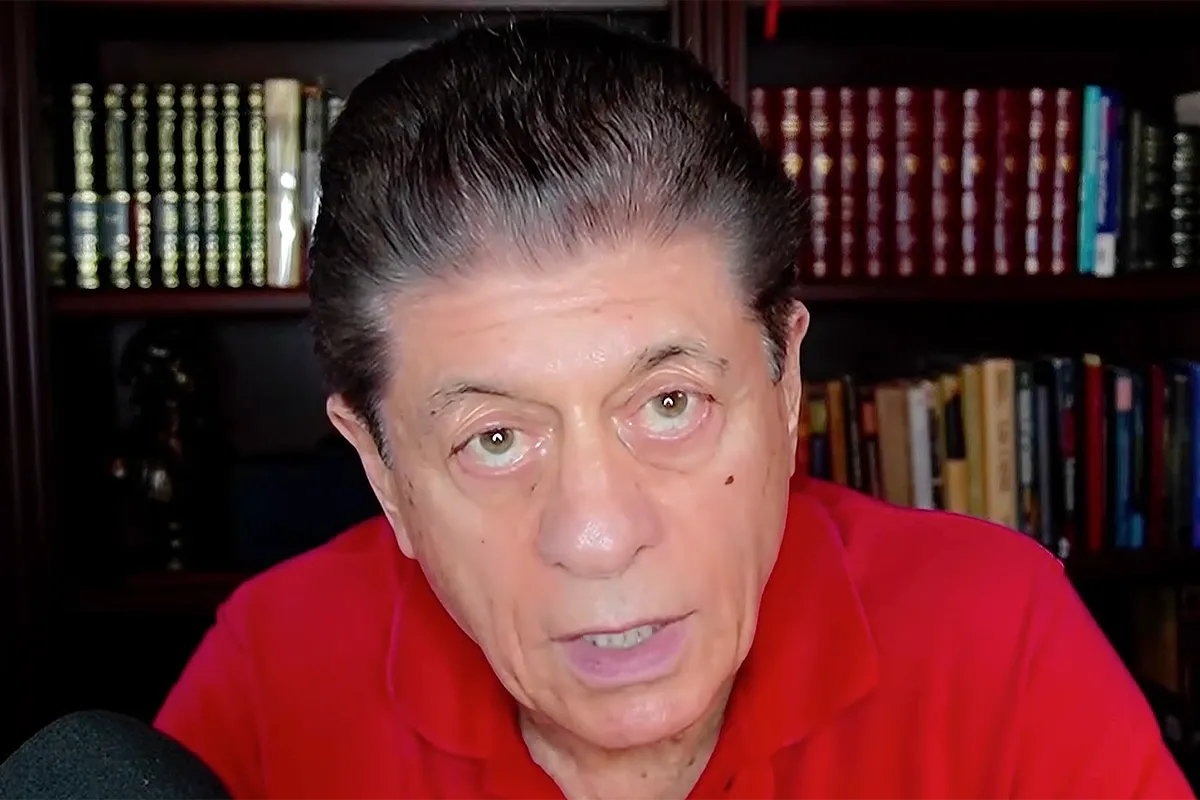
Judge Andrew Napolitano doubts that the Justice Department's latest criminal case against James Comey will hold up in court, and he offered a pointed critique of the filing during an appearance on Newsmax.
The criminal filing accuses Comey of unlawfully transmitting national defense information to an unauthorized individual in violation of the Espionage Act, a statute dating to 1917 that criminalizes passing national defense information to those not entitled to receive it. A second count charges him with conspiring to commit the same offense. Comey has denied any wrongdoing.
Napolitano said he believes the case is unlikely to gain traction in court and questioned the timing of the filing. "It's too little, and it's too late," he said. "They filed this on Oct. 5, 2026; the event occurred on Oct. 5, 2016 — they've missed it by one day." Statutes of limitations set the deadline by which prosecutors must file charges after an alleged offense, which is why a single day can determine whether a case like this one moves forward at all.
According to Napolitano, even if prosecutors had managed to bring the charges within the statute of limitations, the allegations would still fall flat because there appears to be no evident intent to harm the U.S. government. He also questioned the significance of the information Comey allegedly disclosed, and challenged the legal basis for the DOJ's effort to preserve the case before the statute of limitations expired.
"Even if they're right, even if you count the extra day as part of the statute of limitations, even if they made it by one day, this is hardly the type of crime where the intent was to harm the government of the United States," he said. "So it's hardly sedition, and it's hardly espionage; it's hardly a national defense secret — what was leaked was what Yahoo was doing to surveil its own customers, that The New York Times required information to correct a report that was in another publication."
He continued: "Look, they have used this waiverless information — basically a piece of paper signed by a federal prosecutor, without any evidence, without a grand jury, in an effort to stop the running of the statute of limitations. In some parts of the country there is some precedent for that; there's no precedent for it in Washington D.C." The paperwork he described tracks a charging document known as an information, which a prosecutor can file without a grand jury vote — the mechanism at the center of his objection to how the government preserved the case.
Former federal prosecutor Doug Burns voiced similar concerns. "Real simple: in the Constitution, you can't charge somebody with a felony unless there's a grand jury indictment," Burns said, invoking the Fifth Amendment's Grand Jury Clause, which requires serious federal charges to proceed on a grand jury's indictment. In his view, the filing is also unsurprising given its history as it relates to President Donald Trump.
"On the merits of the case, I'll just quote a great philosopher, my dad, which was: if you change the rules, you better be prepared to live by them," Burns said. "So I'm not going to sit here and forget being lectured about, 'How serious what Trump did was with classified information, it's a most serious crime' — it's not, okay. Two wrongs don't make a right, I agree with that. But again, they did change the rules." Between the one-day limitations question and the grand jury requirement, both critics see a case whose first and steepest hurdles are procedural — the kind that can decide its fate before any evidence is tested.

