Nigeria's INEC Probes Suspicious Voter Register Records After AI-Generated Photo Allegations
Key Takeaways
- •INEC disclosed that it flagged questionable registration records during the physical display of the voter register, before the document was posted online.
- •The commission is investigating the circumstances behind the suspicious voter photographs, including possible technical or procedural lapses, but has not confirmed the images were AI-generated.
- •INEC stated that the register published online on Monday is the preliminary version and does not reflect ongoing data cleanup.
- •Criticism has come from political economist Pat Utomi, who said the images raise questions about verification and transparency, and from the Nigeria Democratic Congress, which demanded identification of who inserted the disputed images into a polling unit register in Edo State.
- •INEC has not disclosed how many records or photographs are in question or addressed an alleged duplicate National Identification Number, and the final register is scheduled for certification on December 15.
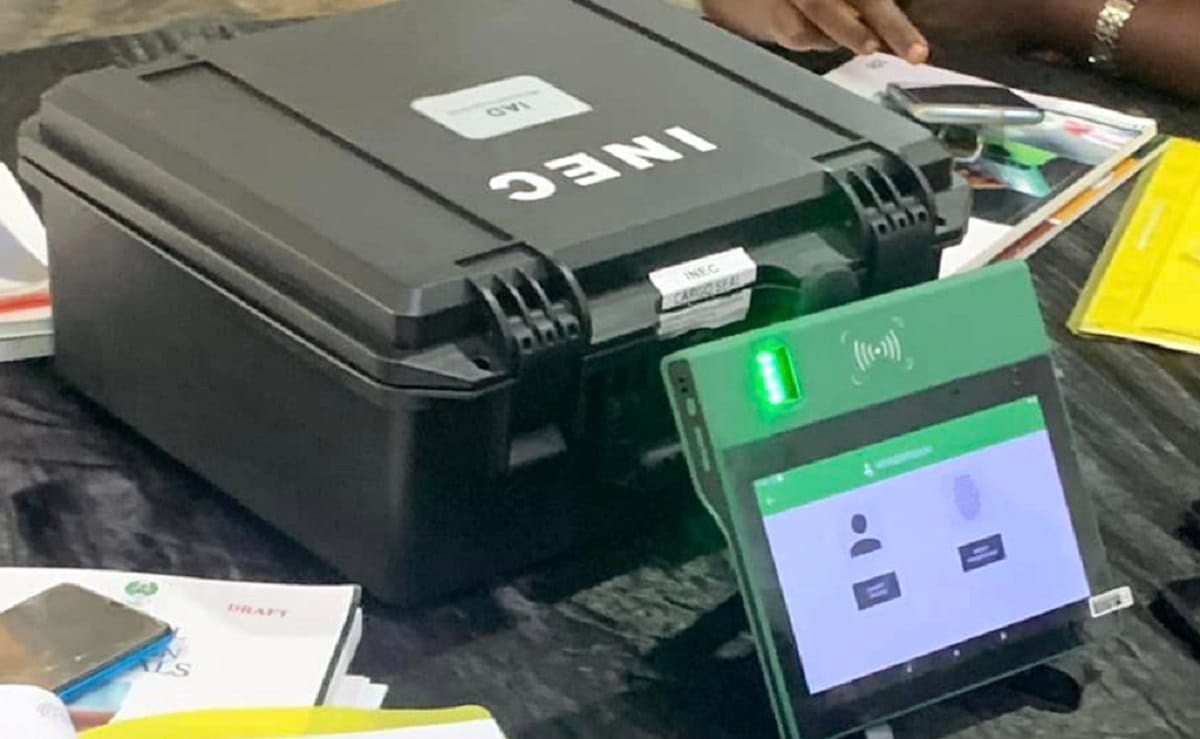
Nigeria's Independent National Electoral Commission (INEC) has disclosed on social media that it flagged several questionable registration records during the physical display of the voter register, before the document was published online. The admission follows viral claims that photographs appearing in the preliminary register were generated with artificial intelligence (AI).
In a statement issued on Tuesday, the commission said it is examining the circumstances behind the suspicious photographs, including “possible technical or procedural lapses”. INEC did not confirm that the images were AI-generated. The review matters beyond the disputed images: a voter register determines who appears on the list of eligible voters, and this one is being compiled ahead of the 2027 elections.
The commission added that the register published online on Monday is the original preliminary register and does not reflect ongoing data cleanup, stressing that “the preliminary register is not the final certified register.” The statement was issued in a post on its Facebook page.
What triggered the concerns about AI images
The concerns surfaced after INEC placed the register on its website in response to calls for wider public access. SaharaReporters said it identified several profiles with photographs suspected to be artificially generated, and that INEC's press secretary did not respond to its enquiries.
Political economist Pat Utomi said in a post on X that the presence of such images “raises serious questions about verification, transparency and accountability”.
The Nigeria Democratic Congress (NDC), one of the major political parties for the 2027 elections, also demanded that the commission establish who introduced the alleged AI-generated images into the polling unit register in Ward 11 of Etsako West Local Government Area, Edo State.
A separate allegation came from an X user, Eleniyan, who said the registration device displayed a duplicate record carrying the same name, date of birth and National Identification Number (NIN) during registration. According to the user, the duplicate later appeared on the register while their own name did not.
What INEC has yet to clarify
The commission has not disclosed how many records were flagged, how many photographs are in question, or who captured them. It has also not said whether the records flagged during the physical display are the same ones now being queried online.
Tuesday's statement does not address the alleged duplicate NIN either. INEC said it will address verified irregularities and that further updates will follow. The final register is due for certification on December 15, about seven weeks away, giving the commission that window to conclude its data cleanup and its examination of the flagged records before the roll is finalized.

