Private Letter Reveals Senator Murkowski's Unresolved Concerns Over Todd Blanche's Attorney General Nomination
Key Takeaways
- •Senator Murkowski identified three main concerns: the Trump Organization-IRS lawsuit settlement, the DOJ's handling of the Epstein Files Transparency Act, and Blanche's ability to act independently given his prior role as Trump's personal attorney.
- •Blanche recently traveled to Alaska to familiarize himself with the state's distinctive law enforcement challenges, which Murkowski acknowledged appreciatively.
- •Senator Susan Collins has publicly opposed the nomination, while Senators Tillis and Cornyn committed their support following a limited written rescission of the Trump-era anti-weaponization fund settlement.
- •If both Murkowski and Senator Bill Cassidy oppose the nomination, Republicans would need the return of the reportedly ill Senator McConnell to reach the 50-vote threshold for a tie-breaking vote by the Vice President.
- •Murkowski has a documented history of breaking with her party on major votes, including being one of seven Republican senators to vote to convict Trump in his second impeachment trial.
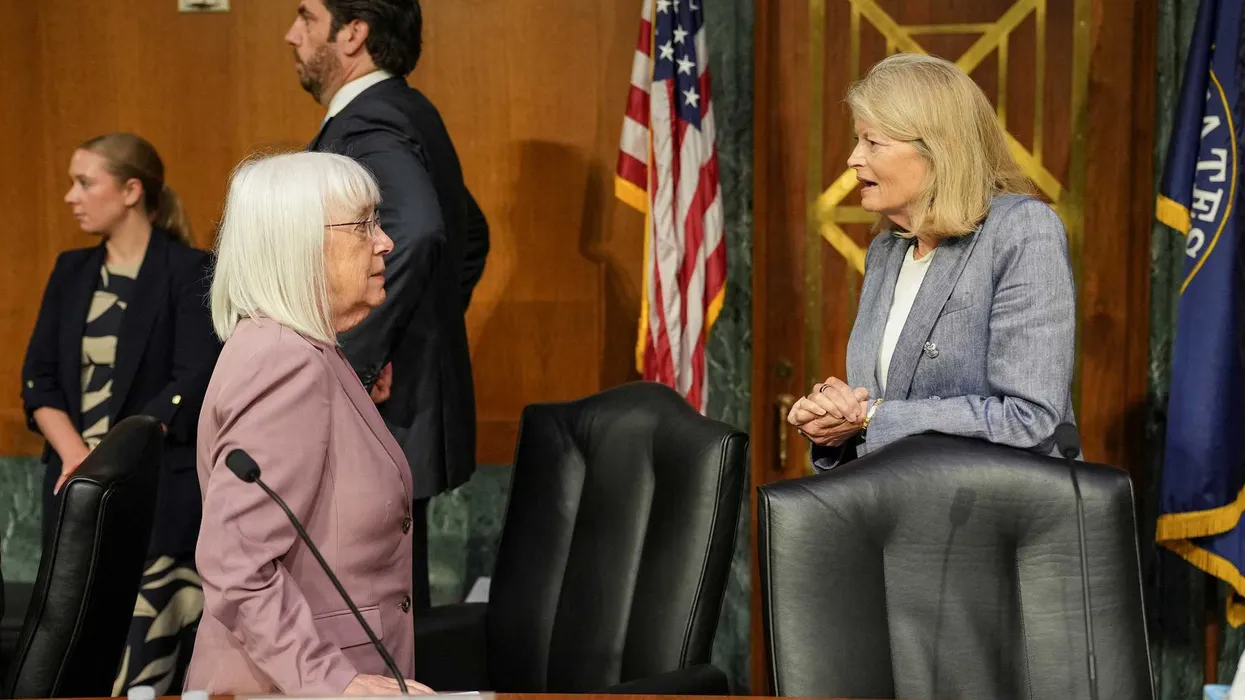
Senator Lisa Murkowski (R-AK) privately informed a constituent in a letter that she continues to hold serious reservations about Todd Blanche's nomination to serve as Attorney General of the United States. The letter, obtained by Alaska Public Media, indicates that Murkowski has not yet reached a final decision and remains in ongoing discussions with the administration regarding her concerns.
The specific issues Murkowski identified in her letter include three main areas. First, she cited the settlement agreement in a lawsuit brought by President Trump, his sons, and The Trump Organization, LLC against the Internal Revenue Service and the Department of the Treasury. Second, she raised questions about the Department of Justice's handling of the release of the Epstein files under the Epstein Files Transparency Act, as well as concerns expressed by survivors regarding the absence of new criminal investigations. Third, she questioned Mr. Blanche's capacity to exercise independent judgment in discharging the duties of Attorney General, given his prior professional relationship as President Trump's personal attorney. Blanche previously served as one of Trump's lead defense attorneys, including during the former president's 2024 criminal trial in New York. The independence question carries particular weight because the Attorney General oversees the entire federal law enforcement apparatus, including the FBI, and sets nationwide prosecutorial priorities—making the post one where personal loyalty to a president could directly affect decisions on investigations, settlements, and resource allocation.
Murkowski also acknowledged that she has been hearing significant opposition from her constituents in Alaska. However, she noted that Blanche recently traveled to Alaska to familiarize himself with the state's distinctive law enforcement challenges, stating, "I appreciated his willingness to hear directly from Alaskans."
The nomination has become a closely watched test of Senate Republican unity. Senator Susan Collins (R-ME) has publicly announced her opposition to Blanche's nomination. Meanwhile, Senators Thom Tillis (R-NC) and John Cornyn (R-TX)—both of whom had spent weeks withholding their support—ultimately gave their approval following what has been described as a relatively limited written rescission of the Trump-era "anti-weaponization fund" settlement.
The confirmation math now hinges on Murkowski and fellow Republican skeptic Senator Bill Cassidy (R-LA). Murkowski has a documented record of breaking with her party on consequential votes, having been one of seven Republican senators to vote to convict Trump in his second impeachment trial. If both Murkowski and Cassidy decline to support the nomination, Republicans would need the return of Senator Mitch McConnell (R-KY), who has been reported as seriously ill, to reach the 50-vote threshold required for Vice President J.D. Vance to break a tie in the evenly divided chamber. Conversely, if either Murkowski or Cassidy—or both—vote to confirm, Blanche's nomination would be secured.
The letter from Murkowski underscores the fragile state of the nomination and signals that key Republican senators continue to weigh their decisions carefully amid competing pressures from the administration and their constituents.

