SeaLead Shipping Enters Liquidation Following US Sanctions
Key Takeaways
- •SeaLead Shipping is being liquidated after US sanctions imposed in July effectively cut the Singapore-based carrier off from normal international trade.
- •The company's active fleet collapsed from 53 vessels to just four ships, causing its global ranking to plummet from 13th to 80th in roughly one year.
- •OFAC designated SeaLead and its subsidiaries on July 14 as part of a broader sanctions action targeting the shipping and trading network of Mohammad Hossein Shamkhani.
- •The US Treasury alleged that SeaLead facilitated the transport of both legitimate and illicit cargoes, including shipments connected to Iran-backed Houthi interests in Yemen.
- •OFAC issued General License Z, which permits limited wind-down transactions such as cargo discharge and crewing until September 12, after which dealings with the designated entities become sanctionable.
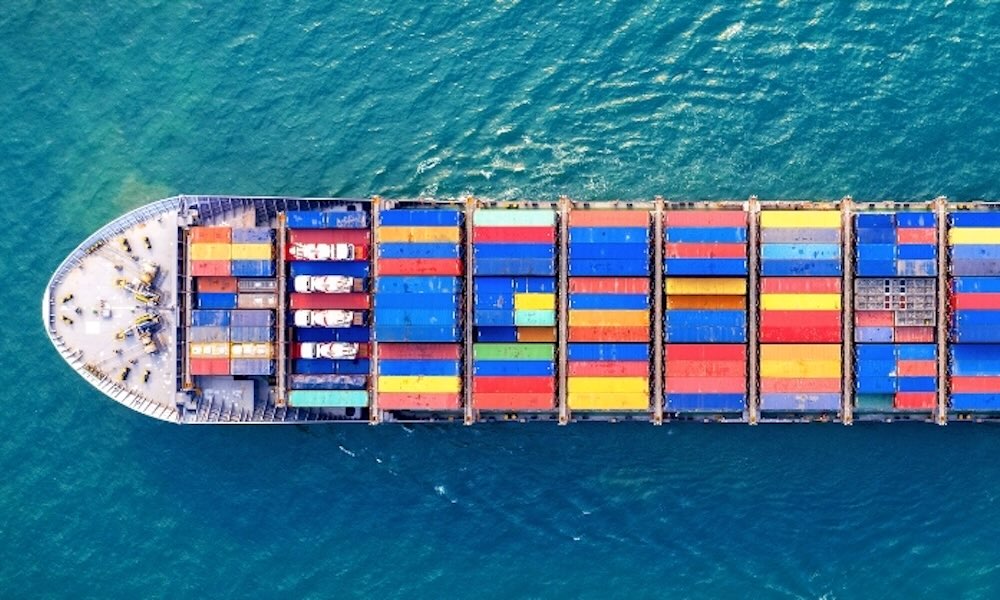
SeaLead Shipping, the Singapore-headquartered container liner operator, is being liquidated, bringing an end to one of the most dramatic trajectories in recent container shipping history. Founded in 2017, the carrier was among a wave of smaller, asset-light operators that expanded aggressively during the pandemic-era freight boom, when record-high rates and capacity shortages opened doors for non-traditional players to capture market share on major trade lanes.
According to Splash, the company has moved into liquidation after sweeping US sanctions imposed in July effectively severed the liner operator from normal international commerce. The collapse comes just over a year after SeaLead stood as the world's 13th-largest container carrier, operating 53 vessels with a combined capacity exceeding 200,000 TEU. By late July, its active fleet had dwindled to four ships, and its global ranking had plunged to 80th.
The decisive blow came on July 14, when the US Treasury's Office of Foreign Assets Control (OFAC) directly designated Sea Lead Shipping Pte Ltd, along with its subsidiaries in Dubai, the Marshall Islands, and India. The action formed part of a broader crackdown on the shipping and trading network of Mohammad Hossein Shamkhani, son of senior Iranian political figure Ali Shamkhani.
The Treasury alleged that SeaLead served as a key container shipping business within Shamkhani's network, and that the company and related entities facilitated the movement of both legitimate and illicit cargoes, including shipments tied to Iran-backed Houthi interests in Yemen. OFAC also blocked three SeaLead-linked containerships: Paya Lebar, Shenton Way, and Tanjong Pagar 1.
This designation went significantly further than the sanctions shock SeaLead experienced in July 2025, when 16 vessels under its charter agreements were blacklisted over alleged connections to the Shamkhani network. At that time, SeaLead immediately terminated the affected charters and repeatedly denied any links to the Iranian regime, maintaining that it enforced stringent sanctions-screening and due-diligence procedures.
Despite those assertions, the fallout devastated the carrier's fleet. Further retrenchment followed this year, including office closures and vessel off-hires, as the Iran conflict disrupted SeaLead's critical Middle East trade lanes. The speed of the company's unraveling illustrates the existential stakes of secondary sanctions for operators that depend on chartered tonnage and global port access, where even unproven allegations can trigger cascading commercial isolation as charter owners, insurers, and port authorities withdraw exposure.
Pressure intensified again in March, when the US Department of Justice filed a civil forfeiture complaint seeking $2.4 million allegedly intended for SeaLead and its Indian affiliate. Prosecutors asserted that the companies were established to provide shipping services to the Shamkhani network.
OFAC has issued General License Z, which permits limited wind-down transactions involving SeaLead and the three blocked vessels until September 12. The licence authorizes activities such as cargo discharge, crewing, bunkering, insurance, and safe port calls, while expressly prohibiting any new commercial contracts involving blocked persons outside the scope of the authorised wind-down. For cargo owners with goods stranded on the blocked vessels, the window is narrow; after the deadline, transactions involving the designated entities become sanctionable.
SeaLead's liquidation marks an extraordinary reversal for a carrier that until recently had been regarded as one of container shipping's fastest-growing challengers. The case underscores how OFAC's increasing willingness to designate individual carriers rather than only vessels or regimes has raised compliance pressures across the maritime sector, particularly for newer entrants with thin corporate histories operating in geopolitically sensitive corridors.
Source: Splash247
