MTN Nigeria CFO Urges Businesses to Reject Policy Entitlement and Compete Globally
Key Takeaways
- •MTN Nigeria CFO Modupe Kadri urged Nigerian businesses to reject policy entitlement and build reputable brands that can compete internationally rather than accept a 'local' label.
- •Kadri made the remarks at the Nigeria-South Africa Chamber of Commerce breakfast forum on August 27, 2026, at Eko Hotel & Suites, Victoria Island, Lagos.
- •Kadri said multinationals award contracts based on technical capability and mutual returns rather than legal duty or nationalism, despite local-content laws such as the Nigerian Oil and Gas Industry Content Development Act of 2010.
- •He identified technical depth in artificial intelligence, cloud computing, and cyber defences as the next frontier of domestic participation, moving beyond the earlier focus on civil infrastructure and basic logistics.
- •Stakeholders at the event said sustaining Nigeria's industrial growth over the next 25 years will require patient capital, transparent corporate access, and continuous skill acquisition, in a market widened by the African Continental Free Trade Area.
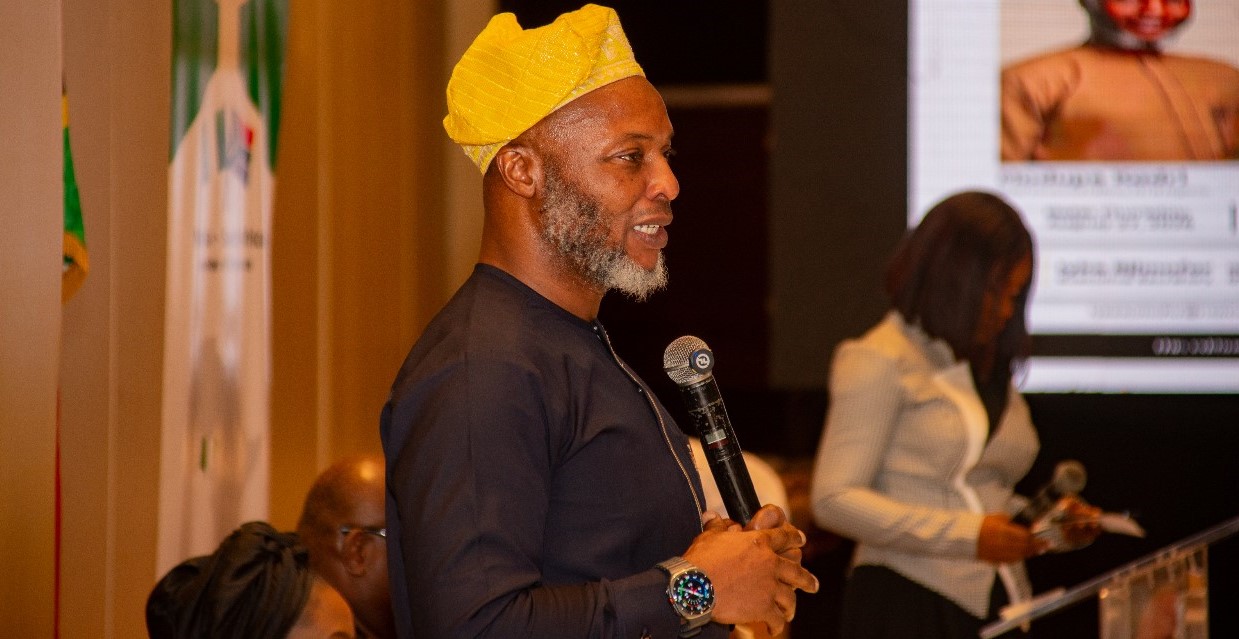
MTN Nigeria's Chief Financial Officer, Modupe Kadri, has urged Nigerian businesses to reject a sense of policy entitlement, build reputable brands capable of competing with international companies, and refuse to resign themselves to the label of being "local".
Kadri delivered the remarks while speaking at the Nigeria-South Africa Chamber of Commerce (NSACC) breakfast forum held on Thursday, August 27, 2026, at the Eko Hotel & Suites, Victoria Island, Lagos. The gathering drew business leaders and corporate delegates. The setting added weight to the message: MTN entered the Nigerian market in 2001 following the country's digital mobile licensing round, has grown into the country's largest mobile operator by subscribers, and is majority-owned by Johannesburg-headquartered MTN Group — placing one of South Africa's most prominent multinationals at the podium of a chamber built around Nigeria–South Africa commerce.
According to the CFO, Nigerian enterprises seeking sustained economic expansion must build internal capacity capable of competing globally rather than feel entitled to favours from local policy. He charged them to innovate beyond the context of their home ground if they are to stand a chance against multinationals.
Kadri emphasised that true economic synergy between multinational anchors and domestic suppliers requires predictable market demand, strict governance, and uncompromising delivery discipline. What makes local content stand out, he said, is commercial rigour rather than simple reliance on domestic patronage.
"Local content must not mean substandard quality, nor should it mean entitlement simply because a company is Nigerian," Kadri said.
The call comes amid growing partnerships between Nigerian enterprises and multinational corporations. Nigeria has already codified local-content obligations in parts of its economy — most prominently through the Nigerian Oil and Gas Industry Content Development Act of 2010, which sets minimum thresholds for the use of Nigerian companies and labour in the oil and gas industry — but Kadri advised local businesses that big international companies will not award contracts out of legal duty, clarity, or nationalism. Instead, local vendors must elevate their technical capabilities and operations so that partnering with them yields returns for both parties and contributes to broader national growth.
The session was organised by the NSACC to deepen bilateral trade ties and foster robust commercial ecosystems. Industry heads present included Afolabi Sobande, Group COO of Computer Warehouse Group; Udeme Ufot, Group Managing Director of SO&U; Yemi Chukwurah, CEO of Seams and Stitches; and Ayeni Adekunle, CEO of BlackHouse Media. The industry leaders testified to how structured corporate procurement helped transition their respective businesses from small-scale operations into continental brands.
While emphasis was placed on strategic collaboration with large corporations, Kadri identified the adoption of advanced innovation as the next frontier of growth in a technology-driven age. The MTN CFO noted that although the initial era of domestic participation focused on civil infrastructure and basic logistics, the next frontier requires technical depth in artificial intelligence, cloud computing, and cyber defences.
"Shared growth is not charity; it is not public relations; it is invited business logic that happens when value circulates through businesses, communities, and governments," he said.
Stakeholders at the event echoed Kadri's position, noting that sustaining Nigeria's industrial growth over the next quarter-century will require patient capital, transparent corporate access, and continuous skill acquisition. These conditions, in turn, help local enterprises evolve into globally recognised champions. The discussion also sits within a wider continental shift: the African Continental Free Trade Area, in force since 2019 with trading under it beginning in January 2021, is designed to reduce tariffs and expand intra-African commerce, widening the field on which Nigerian companies able to compete on merit can operate.
The NSACC, founded in May 2000, was established to encourage bilateral trade, investment, and industrial cooperation between Nigeria and South Africa, Africa's two largest economies. It operates as a private organisation limited by guarantee, is funded largely by member contributions, and represents hundreds of corporate members and prominent businesses across major sectors in both countries. Twenty-five years on, it has continued to serve as a critical platform for strategic policy alignment and enterprise scaling. Economic ties between the two countries have long been anchored by marquee corporate relationships — South African groups such as MTN and MultiChoice rank among the most visible foreign operators in Nigeria, while Nigerian banks have expanded across the continent.

