Wall Street Unease Grows Over Bessent and Warsh as Trump's Fed Campaign Weighs on Economy
Key Takeaways
- •Catherine Rampell said Wall Street is uneasy about both Scott Bessent and Kevin Warsh because of the administration’s erratic economic approach.
- •Rampell said Bessent’s early moves at Treasury drew court intervention, including DOGE’s access to payment systems and attempts to share tax data with immigration enforcement.
- •Treasury’s long-term bond repurchase plan initially lowered rates briefly but then pushed bond yields higher again.
- •Rampell said Warsh has not clearly explained the Fed’s inflation strategy, and his recent news conference raised concerns about the central bank’s commitment to fighting inflation.
- •Robert J. Shapiro said markets expect higher inflation pressures from Trump’s tariff policies and do not have much confidence in Warsh.
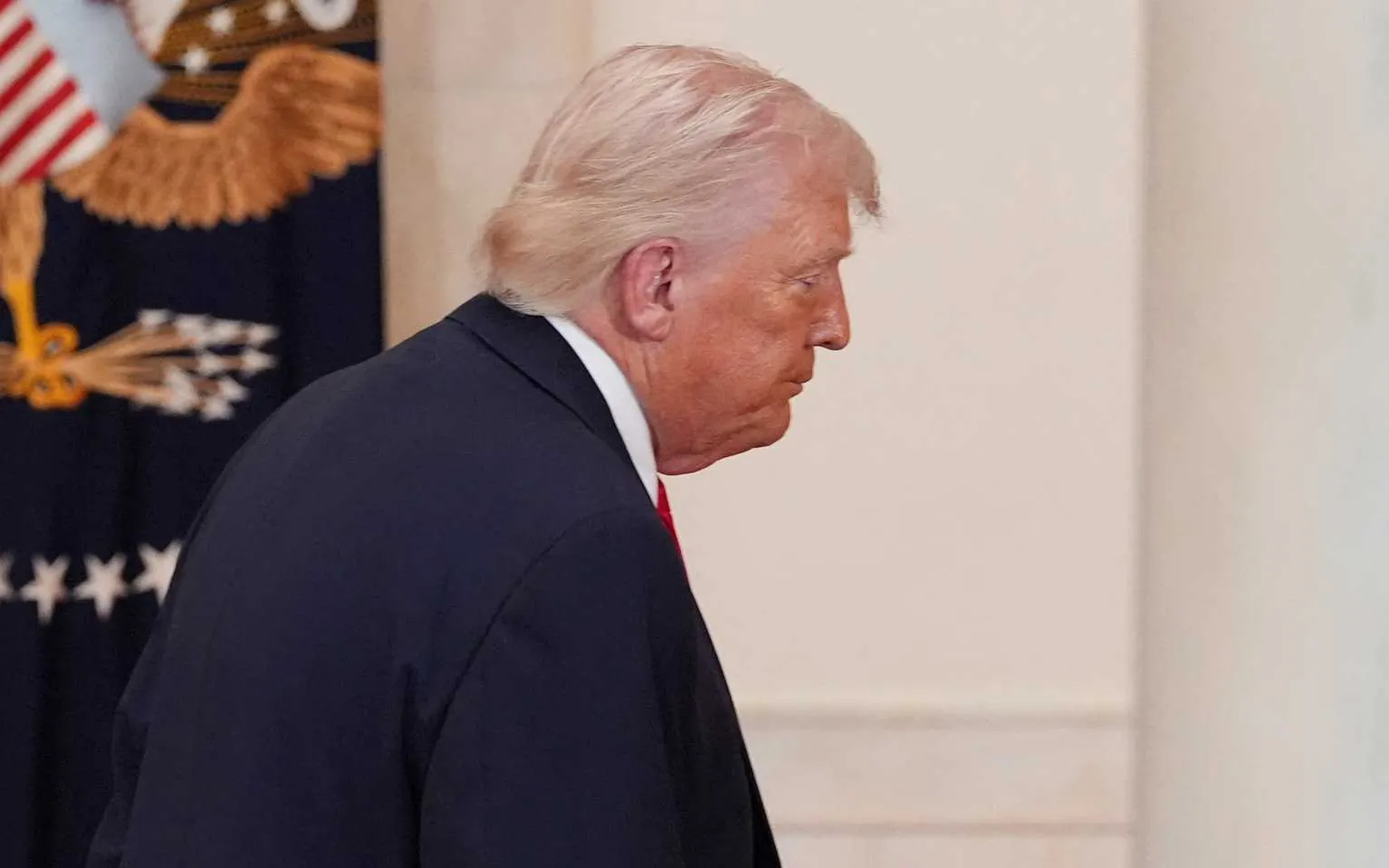
President Donald Trump's sustained campaign against the Federal Reserve has grown so persistent that it has started to weigh on the economy — and now the economics editor of a conservative outlet is warning that the administration's erratic policymaking is unsettling Wall Street's view of two officials who were otherwise regarded as reliable. The concern is not just about personalities: investors are also watching whether Treasury and Fed leadership can signal consistency at a time when borrowing costs, inflation and the federal debt remain central market issues.
Catherine Rampell, economics editor of The Bulwark, wrote in a column for The New York Times on Thursday that Treasury Secretary Scott Bessent and Trump's Federal Reserve pick, Kevin Warsh, are both being met with unease on Wall Street.
“Within days of Mr. Bessent’s confirmation, at least, it was obvious this was a misjudgment,” Rampell wrote. “One of his earliest actions as secretary was giving DOGE access to the sensitive Treasury payments system, which disburses some $6 trillion in payments annually. This was supposedly to investigate ‘fraud,’ but it also was an attempt to help the Trump administration unilaterally freeze payments required by Congress. (A federal judge restricted DOGE’s access before this happened.)”
She added: “Soon after, Mr. Bessent also allowed the I.R.S. to share confidential tax data with immigration enforcement — undermining decades of work to convince immigrants that if they paid their taxes honestly, the payments wouldn’t be weaponized against them. (Federal judges have blocked that, too.)”
Rampell then turned to a bond-market move announced last week. After criticizing his predecessor for allegedly trying to juice the economy ahead of an election, Bessent now “appears to have attempted exactly that,” she wrote: the Treasury would ramp up repurchases of its long-term government bonds, a step intended to reduce their interest rates — which could in turn reduce the cost of mortgages and other financial products. Midterms are looming, and looser money tends to make for happier voters. “Mr. Bessent’s plan backfired. Instead, after a brief dip, bond rates rose.”
In short, the market concluded that the plan would do nothing to address rising inflation, the dangerous national debt and the ongoing economic problems posed by AI. “If anything, Mr. Bessent’s buyback play (announced along with comments insisting we can grow out way out of debt) only deepened those suspicions. It made Treasury leadership look feckless,” Rampell wrote.
Her assessment of Warsh was similarly pointed. “Mr. Warsh, like Mr. Bessent, has had a wobbly start to his tenure,” she wrote. “His most recent news conference was something of a disaster; Mr. Warsh either would not or could not articulate what the Fed’s plan was for tackling inflation, or why that plan did not appear to include interest rate increases. (Mr. Trump is demanding rates be lowered.) At one point Mr. Warsh seemed to suggest the Fed might switch its main yardstick for measuring inflation, raising concerns about backdoor attempts to soften the central bank’s commitment to reducing inflation.”
She continued: “To make matters worse, Mr. Trump himself weighed in. He insisted that Mr. Warsh really truly wanted to reduce interest rates, but couldn’t because ‘he’s got a board, and it’s a political board.’ Days later Mr. Trump renewed his efforts to fire one of the members of that Fed board, which the Supreme Court had prevented him from doing. Markets were not happy about any of this.”
Rampell is not alone in her assessment of Warsh. Dr. Robert J. Shapiro, an economic adviser to Presidents Bill Clinton and Barack Obama, laid out similar concerns in an interview with AlterNet earlier this week.
“My own guess is that he’ll wait until right before or right after the election to raise rates, because he doesn’t set policy alone — interest rate policy is made by a committee at the Federal Reserve comprising the seven members of the Board plus five of the regional bank presidents, and there’s increasing pressure among them to raise rates,” Shapiro explained. “They’re letting him put it off a little while longer, but there’s no good news on inflation. Just this week, Trump announced 50 percent tariffs on our largest trading partner, Canada, which will further increase inflation. The markets don’t have much confidence in Warsh anymore, so they’re pricing in a higher-than-normal likelihood that he’ll cut rates — even though I don’t think he will — and in anticipation of the inflation that would result, they’re raising long-term rates.”

