MoneyGram Launches Stablecoin-Backed Visa Card in Colombia
Key Takeaways
- •The digital card is managed through the MoneyGram app and can be added to Apple Wallet or Google Wallet.
- •Customers in Colombia can convert stablecoin balances into digital payments or collect local cash through MoneyGram’s network.
- •Rain, Crossmint and Stellar provide the card, wallet and blockchain infrastructure, respectively.
- •MoneyGram plans to expand the card to additional markets over the coming months.
- •A physical card supporting in-person payments and ATM withdrawals is expected in the second half of 2026.
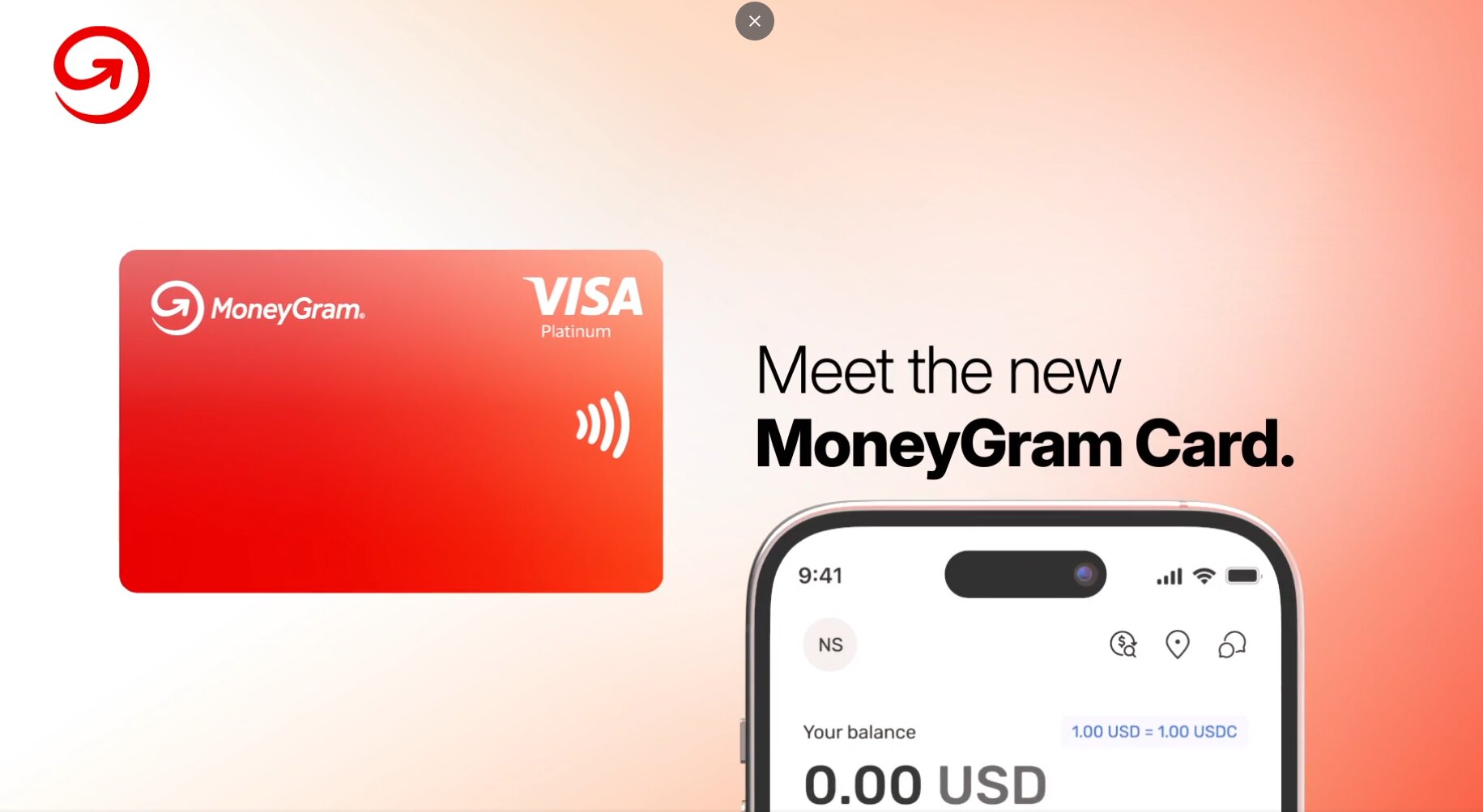
MoneyGram has launched a stablecoin-backed Visa card in Colombia, initially as a digital product accessible through its existing app. The company said the card will allow eligible users to hold, access and spend stable-dollar balances for online purchases, tap-to-pay transactions and payments at merchants that accept Visa.
The card is part of MoneyGram’s broader effort to use blockchain-based infrastructure for money transfers and payments. Users can manage the card directly within the MoneyGram app without moving to a separate card platform. The digital card can also be added to Apple Wallet or Google Wallet.
MoneyGram introduced the product in a post on X on September 10, 2026:
Meet the MoneyGram Card. A stablecoin-backed card built to give customers more freedom to hold, access and spend their money, all within the MoneyGram experience they already know. 𝗕𝘂𝗶𝗹𝘁 𝗶𝗻𝘁𝗼 𝗠𝗼𝗻𝗲𝘆𝗚𝗿𝗮𝗺 Access your card directly through the MoneyGram app. No… pic.twitter.com/7nYOuGUrw6 — MoneyGram (@MoneyGram) September 10, 2026
The original post is also available at https://x.com/MoneyGram/status/2098057658460950860?ref_src=twsrc%5Etfw.
Stablecoin balances for payments and cash access
The MoneyGram Card is designed to convert a user’s stable-dollar balance into payment transactions. In Colombia, customers will receive a digital card that can be used for online spending, tap-to-pay purchases and transactions with Visa-accepting merchants.
Users who need physical currency can transfer funds from their MoneyGram balance and collect local cash at a nearby MoneyGram location. The company had previously introduced a stablecoin balance in Colombia that allowed users to load cash, hold digital dollars and cash out through MoneyGram’s network.
Rain, Crossmint and Stellar provide the infrastructure
Rain is providing the infrastructure for the stablecoin card, while Crossmint is supplying wallet technology. The Stellar network provides the blockchain layer connecting the digital-dollar service with MoneyGram’s broader ecosystem.
The launch follows MoneyGram’s introduction of its U.S. dollar stablecoin, MGUSD, in June. MGUSD was launched natively on Stellar, and MoneyGram said it would serve as a key component of the company’s financial-services and cross-border-payments blockchain strategy.
MoneyGram also expanded its blockchain involvement in June by becoming an active member of the Solana network. The company’s work with both Stellar and Solana forms part of its broader crypto-related infrastructure strategy.
Colombia launch precedes wider rollout
Colombia is the first market for the MoneyGram Card, with additional markets expected to follow over the next several months. MoneyGram also expects to release a physical version of the card in the second half of 2026. That version is intended to support in-person purchases and cash withdrawals from ATMs, extending the service beyond digital wallets.
The rollout builds on MoneyGram’s existing presence in Latin America and its established retail network. The company has more than 60 million active customers across more than 200 countries and territories, as well as almost 500,000 retail outlets.
MoneyGram said this network connects its stablecoin services with both blockchain-based balances and traditional access to cash. The company’s original report was published by CryptoNinjas.
