MISC Orders Small-Scale LNG Carrier at Hudong-Zhonghua for Long-Standing Japan Trade
Key Takeaways
- •MISC Berhad secured a ten-year charter with Malaysia LNG for the new 18,700 cubic metre LNG carrier, with operations set to commence in 2028.
- •The vessel will transport LNG from Petronas' Bintulu complex in Sarawak to Sendai, Japan, serving a trade relationship that has endured for approximately three decades.
- •The newbuild will be China's first small-scale LNG carrier equipped with a membrane containment system, marking a notable departure from the Type C cylindrical tanks commonly used in this size segment.
- •MISC previously ordered five 174,000 cubic metre LNG carriers at Hudong-Zhonghua earlier this year with 20-year Petronas charters, combining large and specialized vessels in its fleet expansion strategy.
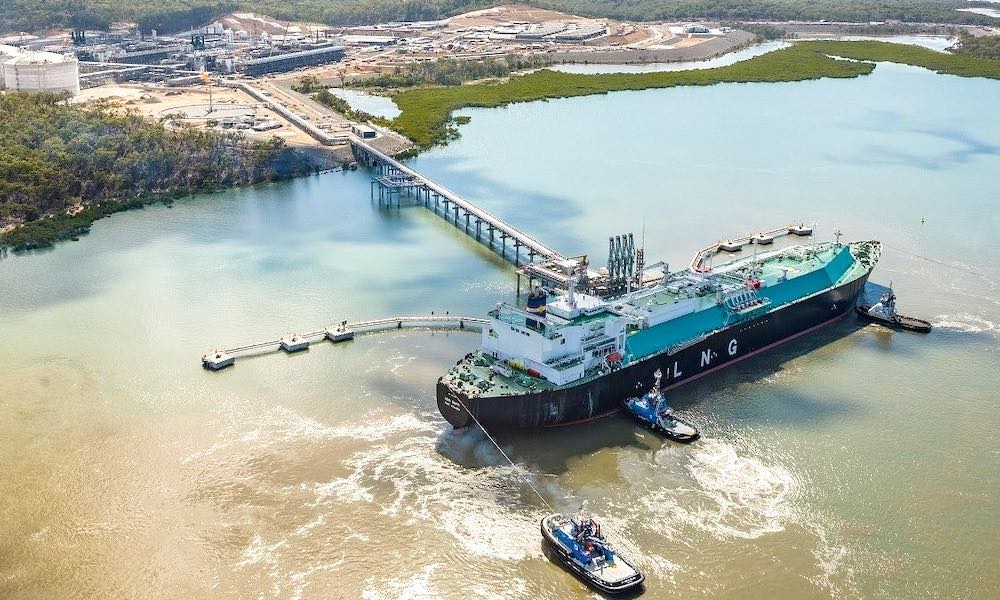
Malaysia's MISC Berhad has ordered an 18,700 cubic metre LNG carrier from China's Hudong-Zhonghua Shipbuilding, following the securing of a 10-year charter with fellow Malaysian company Malaysia LNG.
The Bursa Malaysia-listed shipowner and global maritime logistics provider contracted the Shanghai-based shipyard to construct the specialised vessel, with the charter scheduled to commence in 2028.
Once delivered, the ship will transport LNG from Petronas' Bintulu export complex in Sarawak, Malaysia, to Sendai in Japan. The route supports a supply relationship between the parties that stretches back nearly three decades. The Bintulu complex, operated by Petronas, is one of the world's largest LNG production facilities. Japan has long been one of the world's largest LNG importers, and the Bintulu-to-Sendai route is illustrative of the kind of long-term, point-to-point Asia-Pacific LNG trade that has underpinned demand for specialised tonnage sized to match specific terminal and port constraints.
According to Hudong-Zhonghua, a subsidiary of China State Shipbuilding Corporation (CSSC), the newbuild will be the first membrane-type LNG carrier of this size constructed at the yard. It will also mark China's first small-scale LNG vessel to feature a membrane containment system, a technology widely used in larger LNG carriers for efficient cargo storage. Small-scale LNG carriers have more commonly relied on Type C cylindrical tanks rather than membrane systems, making the containment choice a notable technical departure for vessels in this size segment.
The 129.8-metre-long vessel will be equipped with twin-skeg, dual-fuel electric propulsion and a design speed of 15 knots.
The order adds a smaller, specialised unit to MISC's growing orderbook at Hudong-Zhonghua. Earlier this year, the Malaysian owner contracted five 174,000 cubic metre LNG carriers at the Shanghai yard, all backed by 20-year charters with Petronas and scheduled to enter service between 2029 and 2030. The combination of large and small newbuilds reflects a fleet strategy that pairs high-volume trunk trades with niche routes requiring right-sized vessels.

