Mini Shiba Inu: Size, Temperament, Health, Care and Buying Guide
Key Takeaways
- •Mini Shiba Inu is a marketing label for smaller-than-average Shiba Inus and is not recognized as a separate breed by the American Kennel Club or other major kennel organizations.
- •A dog advertised as a Mini Shiba Inu may be a naturally small individual, a selectively bred dog, a dog with dwarfism, or a crossbreed, and these origins carry very different health implications.
- •Standard Shiba Inus typically weigh 17–23 pounds, with males standing 14.5–16.5 inches and females 13.5–15.5 inches at the shoulder, while advertised mini weights of 7–14 pounds have no official basis.
- •The National Shiba Club of America recommends screening breeding dogs for hip health, eye health and patellar luxation, and buyers should request veterinary records instead of relying on labels or verbal assurances.
- •The price of a Mini Shiba Inu varies widely by breeder, country, bloodline and health testing, and sellers who guarantee extremely small adult sizes or pressure immediate payment should be treated as warning signs.
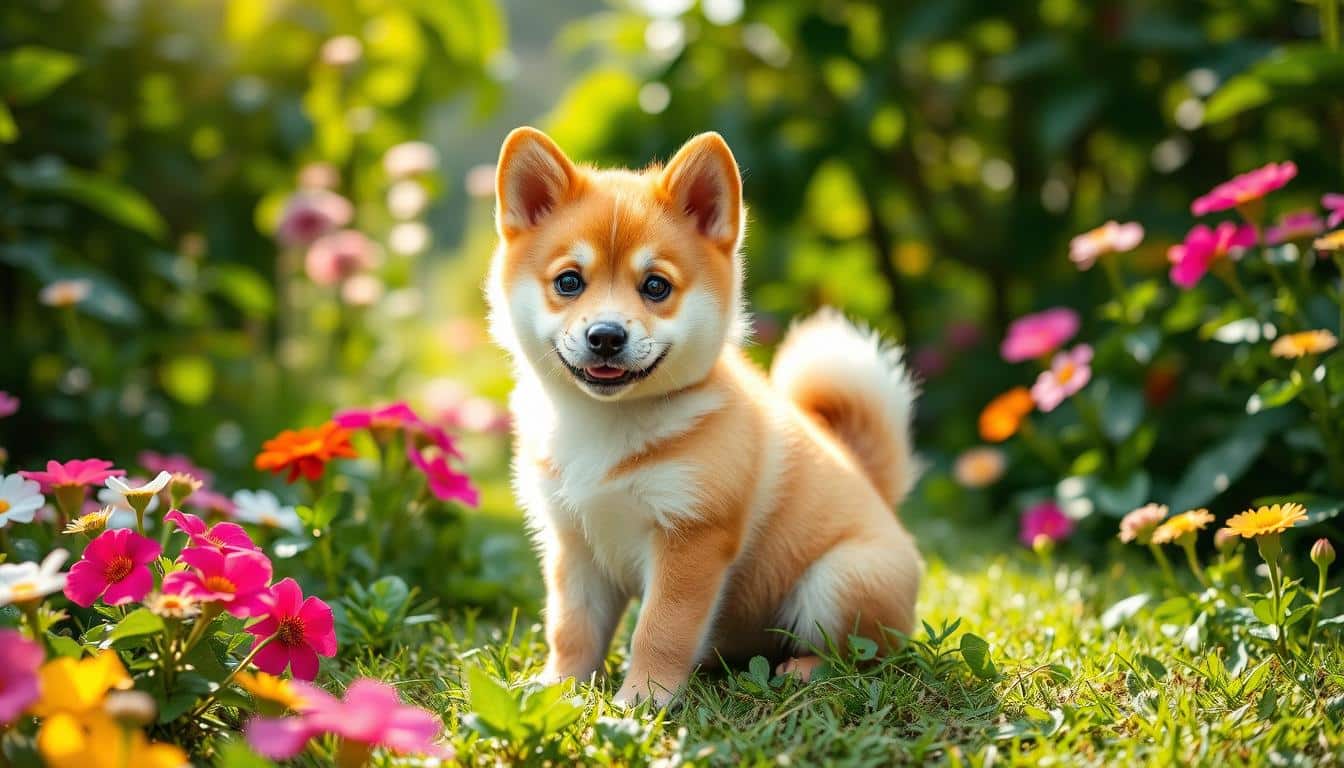
A Mini Shiba Inu is a marketing term for an unusually small Shiba Inu, not a separate dog breed recognized by major kennel organizations. These dogs generally retain the pointed ears, fox-like face, curled tail, double coat and independent temperament associated with standard Shiba Inus.
Standard Shiba Inus generally weigh about 17–23 pounds (7.7–10.4 kg), depending on sex and individual build. Some individuals may be smaller, but no universally accepted height or weight standard exists for a “Mini Shiba Inu.” The Shiba Inu originated in Japan, where it was historically used as a hunting dog, and is now known as an intelligent, alert, confident and loyal companion breed. People interested in a Mini Shiba Inu are often seeking those characteristics in a more compact dog, but should investigate how the smaller size was achieved and whether selective breeding could create health or welfare concerns.
Is a Mini Shiba Inu a Real Breed?
No. The American Kennel Club’s Shiba Inu breed standard does not recognize Mini Shiba Inu as a separate breed. The term generally refers to a Shiba Inu that is smaller than the typical breed size.
Some naturally smaller Shiba Inus may be healthy. By contrast, deliberately breeding dogs to produce extremely small puppies can raise concerns about inherited conditions, skeletal development and overall welfare. A label such as “miniature,” “micro” or “teacup” does not establish a dog’s health, ancestry or expected adult size. Buyers should evaluate the individual dog, its parents and its health records rather than treating the label as a breed classification.
The official Shiba Inu standard describes a compact, muscular dog with the following measurements:
- Male Shiba Inus: 14.5–16.5 inches at the shoulder.
- Female Shiba Inus: 13.5–15.5 inches at the shoulder.
- Preferred average weight: approximately 23 pounds for males and 17 pounds for females.
These measurements are based on the American Kennel Club breed standard. The source also references shibas.org and the National Shiba Club of America.
How Mini Shiba Inus May Be Produced
Dogs advertised as Mini Shiba Inus can come from different breeding backgrounds. Possible explanations include:
- Natural size variation: Some Shiba Inus are naturally smaller than others while retaining typical breed characteristics.
- Selective breeding: A breeder may repeatedly select smaller dogs in an effort to produce smaller offspring.
- Dwarfism: An unusually small dog may have inherited skeletal or developmental abnormalities.
- Crossbreeding: Some dogs marketed as miniature Shibas may have ancestry from another breed.
These possibilities are not equivalent. A naturally small, healthy Shiba Inu is different from a dog deliberately bred for extreme size reduction or a dog whose development has been affected by an inherited abnormality. Buyers should ask about a puppy’s parents, ancestry, health history and breeding practices instead of relying on a marketing label. They should also request veterinary records and information about the parents’ health evaluations.
Mini Shiba Inu Size and Appearance
A Mini Shiba Inu has no officially established size range. Its eventual measurements can depend on genetics, breeding background, age, sex and overall development.
Some online advertisements claim that Mini Shiba Inus weigh 7–14 pounds and stand 11–13 inches tall. These figures are not official breed measurements and should not be treated as a guaranteed adult size. A seller who promises an extremely small adult weight may be making a claim that cannot be reliably verified while the puppy is young.
Mini Shiba Inus generally retain the physical features associated with standard Shiba Inus, including:
- A pointed muzzle, triangular ears and alert, fox-like expression.
- A naturally curled or curved tail carried over the back.
- A dense double coat with a protective outer coat and soft undercoat.
- A compact, muscular and proportionate body.
- Dark, attentive eyes.
Common Shiba Inu coat colors include red, red sesame, and black and tan. Cream or white markings known as urajiro are also characteristic of the breed.
The main advertised difference between a Mini Shiba Inu and a standard Shiba Inu is size. If both dogs have typical Shiba Inu ancestry, their basic breed characteristics should otherwise be generally similar. A smaller body does not automatically make a dog easier to care for. A Mini Shiba Inu can still be energetic, independent and stubborn.
Temperament and Personality
Mini Shiba Inus generally share the personality traits of standard Shiba Inus. They are intelligent, alert, confident, independent and often strongly attached to familiar people. These qualities can make them engaging companions, but they may not suit every household.
Shiba Inus can develop strong relationships with their owners and show affection through companionship, play and remaining near family members. They are not necessarily cuddly dogs; some prefer sitting beside their owners rather than being carried or held constantly. Their affection may be expressed through quiet companionship rather than a constant demand for attention.
Shiba Inus can understand commands but may not always respond immediately. Their independence can make training more difficult for owners who expect a dog to follow instructions without hesitation. Common characteristics include high intelligence and curiosity, strong attachment to familiar people, independence and confidence, alertness around unfamiliar people and environments, playfulness and energy, and a tendency to be stubborn during training.
The American Kennel Club describes Shiba Inus as confident, energetic and independent dogs that benefit from consistent training and early socialization.
Are Mini Shiba Inus Good Family Dogs?
They can be good family companions when properly socialized and supervised. Their independent personality may require additional care when they are introduced to young children or other pets.
Children should be taught to respect the dog’s personal space, avoid pulling its tail or ears, and never disturb it while it is eating or sleeping. Supervised introductions and positive experiences can help establish a more comfortable relationship between the dog and other household members. Individual temperament varies, so general breed tendencies should not be treated as guarantees about a particular dog.
Health Considerations
Mini Shiba Inus need the same responsible healthcare as standard Shiba Inus. Dogs bred specifically for unusually small size may also face additional concerns depending on their genetics and breeding history.
Potential conditions worth discussing with a veterinarian include:
- Patellar luxation: The kneecap moves out of its normal position, potentially causing discomfort or difficulty walking.
- Hip dysplasia: Abnormal development of the hip joint can contribute to pain and mobility problems.
- Eye disorders: Certain inherited eye conditions can affect vision and overall eye health.
- Dental problems: Smaller jaws or crowded teeth can make dental hygiene particularly important.
These conditions are not inevitable in every Mini Shiba Inu. Individual risk depends on genetics, health history and other factors. A dog’s small size alone does not establish that it has a health problem, but extreme size reduction can be a reason to investigate breeding practices carefully.
Recommended Health Screening
Before buying a Mini Shiba Inu puppy, ask whether the parents have received appropriate health evaluations. The National Shiba Club of America recommends screening breeding dogs for hip health, eye health and patellar luxation. These evaluations can help responsible breeders make better breeding decisions and reduce the risk of passing certain inherited conditions to puppies. Buyers should request records rather than relying on verbal assurances.
General Preventive Care
Important health practices include regular veterinary examinations; current vaccinations and parasite prevention; maintaining a healthy body weight; appropriate nutrition; brushing the dog’s teeth with dog-safe dental products; monitoring changes in appetite, movement, behavior and energy; and seeking veterinary advice when unusual symptoms appear.
A smaller dog should not automatically receive less or less frequent veterinary care. Healthcare needs should be based on the individual dog’s condition and a veterinarian’s assessment.
Nutrition and Portion Control
Mini Shiba Inus need a balanced diet that provides nutrients appropriate for their age, weight, activity level and overall health. A complete dog food formulated for the appropriate life stage is generally a practical choice. It should provide protein for muscle maintenance and normal body functions, fats for energy and essential fatty acids, carbohydrates as an additional energy source when included in a balanced formulation, vitamins and minerals for healthy development and everyday body functions, and water for hydration and normal physiological processes.
Owners should choose food that meets recognized nutritional standards in their country. In the United States, an appropriate AAFCO nutritional adequacy statement can help identify a complete food for the relevant life stage.
Smaller dogs can gain excess weight when food portions and treats exceed their daily energy requirements. The correct amount depends on age, weight, metabolism and activity level. Feeding many adult dogs twice a day is a practical routine, while puppies generally need more frequent meals depending on their age and veterinary guidance.
To support a healthy weight, owners should use feeding instructions as a starting point, measure food instead of estimating portions, limit unnecessary treats, monitor body condition regularly, and adjust portions with veterinary guidance. Owners should not assume that every Mini Shiba Inu needs the same calorie intake merely because it is marketed under a particular size category.
Grooming Requirements
Mini Shiba Inus have the characteristic Shiba Inu double coat, so their grooming needs are generally similar to those of standard Shibas. The coat is relatively easy to maintain, but the breed can shed considerably, particularly during seasonal coat changes.
A practical routine includes brushing once or twice a week during ordinary periods and more frequently during heavy seasonal shedding; using a suitable brush or undercoat rake gently; checking the skin for irritation, unusual bumps or parasites; trimming the nails regularly; inspecting the ears; and maintaining good dental hygiene.
Shiba Inus can shed heavily when their seasonal coats change. The American Kennel Club notes that regular brushing and appropriate coat maintenance can help manage loose hair. Shiba Inus are naturally clean dogs, but occasional bathing is necessary when the coat becomes dirty or develops an odor. Owners should use a gentle shampoo formulated for dogs and rinse thoroughly. A Shiba Inu’s double coat should not be shaved unless a veterinarian recommends it for a specific medical procedure.
Training and Socialization
Training a Mini Shiba Inu requires patience, consistency and positive reinforcement. Intelligence can help the dog learn commands, but an independent personality can make repetition and obedience challenging. Owners can begin with sit, stay, come, leave it, down and wait. Rewards, praise and short training sessions can encourage positive behavior; sessions should remain engaging rather than forcing the dog to repeat the same exercise for too long.
Early socialization helps puppies become more comfortable around different people, environments, sounds and animals. New experiences should be introduced gradually and associated with positive outcomes. Useful activities include meeting friendly, vaccinated dogs; experiencing household sounds; walking in appropriate public environments; meeting different people; and practicing calm handling and grooming.
Shiba Inus can be more challenging to train than breeds that naturally prioritize obedience. Their independent personality means owners should not rely entirely on commands and corrections. Consistent positive reinforcement, clear boundaries and regular practice are more effective approaches.
Recall is an important safety issue. Shiba Inus can have a strong prey drive and should not be trusted off-leash in unsecured areas, even when trained.
Exercise and Mental Stimulation
Mini Shiba Inus need regular physical activity and mental stimulation. Their exercise requirements should be determined by age, health, fitness and individual energy levels rather than their advertised miniature size.
A balanced routine can include regular walks for exercise and environmental exploration, interactive games such as fetch in a securely enclosed area, short training sessions, puzzle toys that encourage problem-solving, and supervised opportunities to experience new surroundings. Puppies should not be pushed into excessive exercise while their bodies are developing. Older dogs and dogs with joint problems may need adjusted routines.
Physical exercise alone may not satisfy an intelligent and curious Shiba Inu. Food puzzles, scent games, hide-and-seek and short obedience exercises can help reduce boredom and encourage positive behavior.
Apartment Living
A Mini Shiba Inu can live in an apartment if its owner provides sufficient exercise, training, socialization and mental stimulation. Its smaller size may make it easier to accommodate in a compact home, but apartment suitability depends on more than physical measurements.
Owners should prepare a designated space where the dog can relax and feel secure, with a comfortable bed in a quiet area, fresh drinking water, safe toys, enrichment activities, an appropriate feeding area, a secure resting place and a consistent daily routine. The home should be puppy-proofed by securing electrical cords, removing dangerous objects and keeping potentially toxic substances out of reach.
Potential challenges include barking or other vocalizations, boredom when the dog is left alone for extended periods, limited outdoor opportunities, shedding in small spaces, and leash or socialization difficulties in shared areas. Regular walking schedules and training can help dogs behave appropriately around neighbors and other pets. A small apartment can be suitable, but a small dog still needs an active and stimulating lifestyle.
Choosing the Right Small Dog
Mini Shiba Inus appeal to people who enjoy the Shiba Inu’s distinctive appearance and independent personality. They are not necessarily the best choice for everyone looking for a small companion.
Before choosing a dog, prospective owners should consider how much time they can dedicate to exercise, whether they are comfortable training an independent dog, whether they can manage regular shedding, whether they have enough time for socialization, whether the dog will live with young children or other pets, and whether they can afford routine and unexpected veterinary expenses. A suitable companion is one whose needs match the household, not simply the smallest dog available.
Cost and Ownership Expenses
The price of a Mini Shiba Inu varies according to the breeder, country, bloodline, location, health testing and the dog’s age. There is no reliable universal price because Mini Shiba Inu is not a standardized breed category.
Advertisements offering extremely small Shiba Inu puppies at premium prices should be evaluated carefully. A higher price does not necessarily indicate better breeding practices or healthier puppies. Factors that can affect the purchase price include the breeder’s reputation and experience, health screening of the parents, veterinary examinations and vaccinations, pedigree and documented ancestry, location and transportation costs, and breeding and puppy-rearing conditions.
The initial purchase price is only one part of responsible dog ownership. Owners should also budget for quality food, veterinary visits, vaccinations, parasite prevention, grooming supplies, training classes, bedding, crates, toys and emergency veterinary treatment. If a breeder cannot explain a puppy’s health background or pressures a buyer to pay immediately, that should be treated as a warning sign.
Finding a Responsible Breeder
Finding a responsible breeder is particularly important when a dog is advertised as miniature or teacup-sized. A good breeder prioritizes health, temperament and responsible breeding practices instead of focusing exclusively on producing the smallest possible puppies.
Before committing to a puppy, buyers should ask:
- How large are the puppy’s parents?
- Can I meet the mother and see where the puppies are raised?
- Have the parents undergone hip, eye and patella evaluations?
- Are veterinary records available?
- What is the puppy’s vaccination and deworming history?
- How have the puppies been socialized?
- What food is the puppy currently eating?
- Is there a written purchase agreement?
- Will the breeder provide support after the puppy goes home?
- What happens if the owner can no longer care for the dog?
The National Shiba Club of America recommends asking breeders about health testing and their willingness to take responsibility for dogs they have bred. The source references shibas.org.
Warning signs of an irresponsible breeder include guaranteeing an extremely small adult weight, failing to provide health records, refusing to show the puppy’s living environment, not allowing a buyer to meet the mother when reasonably possible, offering unusually young puppies, keeping multiple litters in poor conditions, pressuring buyers to make immediate payments, and focusing more on appearance and size than health.
People who are open to an adult dog can also consider adopting a Shiba Inu through a reputable rescue organization.
Caring for a Shiba Inu Puppy
Shiba Inu puppies can be challenging, especially for first-time owners who are unfamiliar with independent breeds. They require consistent training, supervision, socialization, exercise and regular healthcare.
Common care challenges include:
- House training: Establish regular toilet breaks and reward appropriate behavior. Consistency helps puppies understand household routines.
- Chewing and exploration: Provide safe chew toys and supervise puppies as they explore.
- Socialization: Introduce new people, sounds, places and animals gradually.
- Independence: Teach puppies to spend appropriate periods alone while building confidence and avoiding unnecessary distress.
- Grooming: Introduce brushing, nail handling, dental care and gentle examinations early.
- Exercise and play: Provide age-appropriate activities without overexerting a developing puppy.
Shiba Inu puppies are not necessarily unsuitable for beginners, but owners should be prepared to invest time in training and understand the breed’s independent nature.
Is a Mini Shiba Inu Right for You?
A Mini Shiba Inu may appeal to people who want a smaller dog with the distinctive appearance and personality of a traditional Shiba Inu. Size should not be the only deciding factor.
These dogs can be intelligent, loyal, energetic and independent. They need consistent training, appropriate exercise, regular grooming and responsible healthcare. Before purchasing one, prospective owners should investigate its breeding history and determine whether its smaller size results from natural variation or deliberate breeding practices.
Health and temperament should take priority over a particular weight or appearance. A healthy companion with a suitable temperament is a better choice than a dog bred solely to meet an unusually small size target.
For additional information, the original article is available at https://cryptsy.com/adorable-mini-shiba-inu-everything-you-need-to-know/.
Frequently Asked Questions
How big does a Mini Shiba Inu get?
There is no officially recognized size range. Some advertisements describe Mini Shiba Inus as weighing 7–14 pounds, but those measurements are not part of the official Shiba Inu breed standard. Standard Shiba Inus generally weigh around 17–23 pounds.
Are Mini Shiba Inus a separate dog breed?
No. Mini Shiba Inu is an informal marketing term rather than a separately recognized breed. The dogs may be naturally smaller individuals, selectively bred Shiba Inus, dogs with dwarfism or dogs with ancestry from another breed.
How much does a Mini Shiba Inu cost?
The price varies by country, breeder, ancestry and health testing. There is no standardized international price. Buyers should prioritize responsible breeding and documented health screenings rather than paying extra for an unusually small puppy.
Are Mini Shiba Inus good apartment dogs?
They can adapt to apartment living when provided with regular walks, exercise, mental stimulation and consistent training. Their size does not eliminate their need for physical activity.
Are Mini Shiba Inus easy to train?
They can be challenging because Shiba Inus are intelligent but independent. Positive reinforcement, early socialization, patience and consistent routines can help encourage good behavior.
What health problems can Mini Shiba Inus develop?
Potential concerns include patellar luxation, hip dysplasia and inherited eye conditions. Dogs bred specifically for unusually small size may face additional risks depending on their genetics and breeding background. Regular veterinary care and responsible health screening are important.
How often should a Mini Shiba Inu be groomed?
Brush regularly and increase brushing during seasonal shedding. Bathe when necessary, trim the nails regularly, inspect the ears and maintain good dental hygiene.
Do Mini Shiba Inus shed a lot?
Yes. Shiba Inus have a dense double coat and can shed heavily, especially during seasonal coat changes. Regular brushing helps remove loose hair and manage shedding.
Are Mini Shiba Inus good with children and other pets?
They can live with children and other pets when properly socialized. Their independent temperament means introductions should be gradual, and interactions with young children should always be supervised.
How can I find a healthy Mini Shiba Inu puppy?
Look for a responsible breeder who provides veterinary records, transparent breeding information and appropriate health-screening results for the parents. Ask about hip, eye and patella evaluations, and avoid sellers who guarantee extremely small adult sizes without explaining their breeding practices.

