Michael Wolff Says Trump’s Team Shields Him From Criticism After WHCD Speech
Key Takeaways
- •Wolff said Trump’s aides and allies typically shield him from harsh feedback and would likely praise his WHCD speech.
- •Wolff argued that Trump seemed desperate during the appearance and repeatedly had difficulty delivering jokes.
- •Wolff said Trump relies on the press as a platform but does not conform to the norms of political-media events.
- •Joanna Coles said Trump loves the press despite his attacks on press freedom and described his performance as flailing.
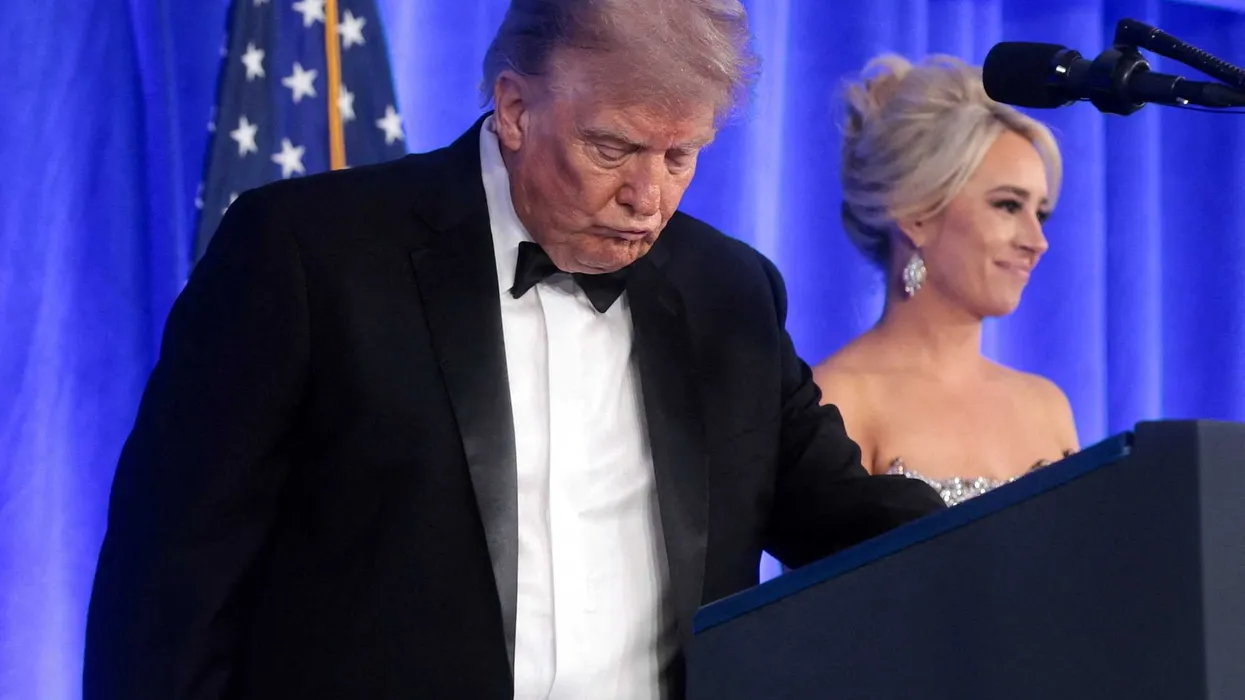
President Donald Trump is unlikely to be told bluntly that his latest speech “bombed,” according to Michael Wolff, the author and reporter who has written extensively about Trump and his political career.
Wolff, a longtime journalist best known for several books on Trump’s first term in the White House, discussed the president’s Friday evening appearance at the White House Correspondents’ Dinner (WHCD) on the latest episode of his Daily Beast podcast, “Inside Trump’s Head.” The dinner, an annual Washington event hosted by the White House Correspondents’ Association, is traditionally a high-profile test of a president’s ability to trade jokes with the press corps and political establishment in the room. Wolff said Trump’s aides and allies have routinely insulated him from harsh assessments and would almost certainly have praised the speech after he left the stage.
“I can tell you that he came off that stage, everybody said that ‘you were fantastic,’ and that’s exactly what he will believe,” Wolff told co-host Joanna Coles, after Coles suggested Trump may have understood that the remarks had landed poorly. “Donald Trump, I feel safe to say, has never once in his life even entertained the possibility that he has bombed.”
Wolff argued that Trump appeared “desperate” during the address as he repeatedly stumbled over jokes. At the same time, he said he felt an unexpected degree of “fondness” toward Trump for the way he approached the WHCD audience.
“Sometimes I get something like almost a little flash of fondness, could it be for Donald Trump? I mean, I hate this White House Correspondents’ crowd,” Wolff told Coles. “I hate them for their self-satisfaction, for their shared references, for their shared jokes, for their profound lack of originality at any level. So the idea that Donald Trump would go in there and say, you know, ‘I basically I don’t give a s——t about you.’”
Wolff said many politicians and presidents have tried to shape their performances around the expectations of the White House press corps, but argued that Trump has not taken that approach. His comments fit into a broader critique he has made about Trump’s relationship with media attention: that Trump relies on the press as a stage while resisting the norms and approval rituals that usually define political-media events.
“And the interesting thing is that so many other politicians and presidents certainly have tried to adapt to what the White House press corps wants, what the press wants,” Wolff said. “And Donald Trump, even in his symbiotic relationship with the press, has just never done that.”
Coles said that Trump, despite his attacks on press freedom, “loves the press,” adding that “He couldn’t exist without the press.” Wolff agreed that Trump depends on the press, but said that dependence has not led him to conform to what journalists or political commentators expect from him.
“He has never become what they want him to be, which every other politician has,” Wolff said. “I feel this is a somewhat awkward position to suddenly be defending Donald Trump... but, you know, he doesn’t grovel.”
Coles described Trump’s performance in more severe terms, saying: “He was flailing. We’ve said he feels desperate. You know, the White House is leaking. He’s stuck in a war he can’t do anything about. And he read like an old Catskill comedian who was on his last desperate material.”

