UOB Says Federal Reserve May Keep Rates on Hold as Hike Risk Increases
Key Takeaways
- •UOB expects the Federal Reserve to maintain its current interest rate pause for an extended period.
- •The risk of another Fed rate hike has increased due to persistent inflation, labor-market strength and geopolitical uncertainty.
- •Upcoming inflation and employment data are expected to be key inputs for the Fed’s next policy decisions.
- •A renewed rate increase could raise financing costs for consumers and businesses and affect asset valuations.
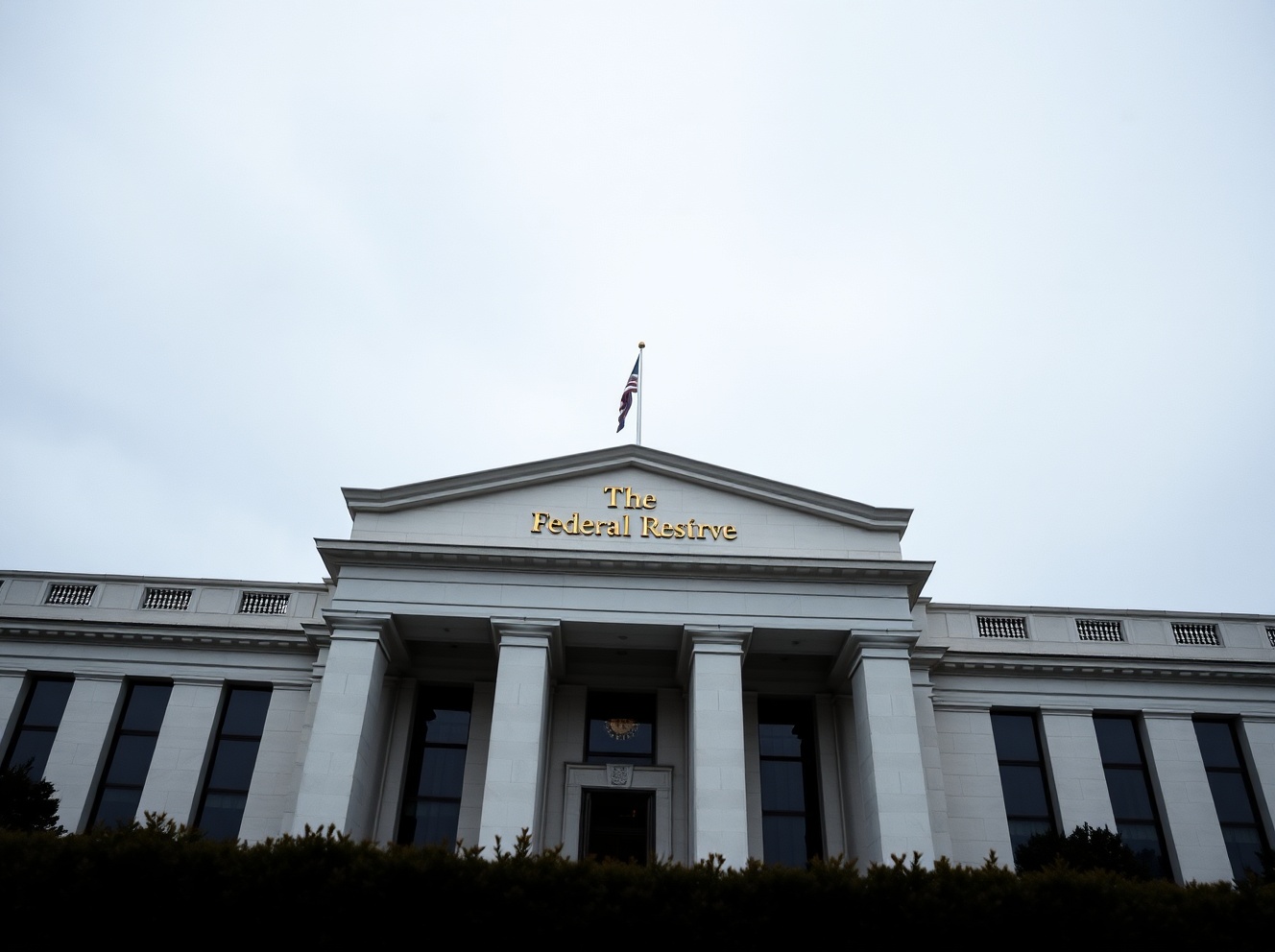
The Federal Reserve is likely to keep its current interest rate pause in place for an extended period, but the risk of a future rate increase is rising, according to a new analysis from United Overseas Bank (UOB).
The assessment, released on [Date of analysis], points to growing uncertainty in the economic outlook that could influence the U.S. central bank’s policy stance. UOB economists said the Fed has signaled patience, but several economic and geopolitical factors are increasing the probability that policymakers may need to tighten policy again.
The Fed sets monetary policy through the Federal Open Market Committee, with decisions guided by its dual mandate of maximum employment and stable prices. That framework makes inflation and labor-market data especially important when officials judge whether current interest rates are restrictive enough.
UOB’s View on the Fed’s Policy Path
According to UOB, persistent inflationary pressures in some sectors remain a key concern for the Federal Reserve. The bank also cited a resilient labor market and ongoing geopolitical uncertainties as factors that could contribute to price instability.
The analysis said the Fed’s “higher for longer” message may need to be reinforced through actual policy action if incoming economic data fails to cool as expected. While the central bank has been expected to remain on hold, UOB’s commentary indicates that the balance of risks is shifting toward tighter policy.
UOB stated that the Fed is likely to keep interest rates unchanged for an extended period, but the risk of another rate hike has increased because of persistent inflation and strength in the labor market.
Potential Market Implications
Financial markets have been pricing in a prolonged pause in interest rates, but UOB’s assessment adds caution to that outlook. If the Federal Reserve resumes rate hikes, the move could renew volatility in bond markets and prompt a reassessment of equity valuations.
Investors are closely monitoring upcoming inflation reports and employment data for indications of the Fed’s next policy decision. The UOB report emphasized that risks are tilted toward tighter policy, a scenario that could delay an anticipated shift toward rate cuts.
The risk of a rate hike is rising because inflationary pressures continue in key areas, the jobs market remains resilient, and geopolitical uncertainties could keep prices elevated. A renewed hiking cycle could also affect expectations for borrowing costs and asset valuations.
Because the federal funds rate serves as a benchmark for short-term interest rates, changes in Fed policy can quickly influence Treasury yields, bank funding costs, and the pricing of risk across global markets. That is why even a shift in perceived rate-hike risk can matter before any actual policy move occurs.
Broader Economic Impact
A resumption of Federal Reserve rate hikes would have direct implications for consumers and businesses. Mortgage rates, credit card interest rates, and corporate loan expenses could move higher, raising financing costs across the economy.
Higher borrowing costs could also weigh on economic activity if households and companies reduce spending or investment. UOB’s analysis described the outlook as a reminder that the fight against inflation is not finished and that central banks remain alert to price pressures.
The Federal Reserve’s extended pause therefore does not remove the possibility of further tightening. As UOB’s analysis indicates, the risk of a future rate increase is growing amid persistent economic pressures, with upcoming inflation and labor market data expected to remain central to policy expectations.

