Philippines' Unified Grand Central Station Targeted for Q1 2028 Opening
Key Takeaways
- •The DoTr targets a first-quarter 2028 opening for the Unified Grand Central Station after the Economy and Development Council approved a variation order with Light Rail Manila Corp.
- •The interchange will connect four rail systems—LRT-1, MRT-3, MRT-7, and the future Metro Manila Subway—and is projected to serve hundreds of thousands of daily commuters.
- •The project has experienced more than a decade of delays stemming from contractual disputes, design changes, right-of-way issues, and litigation between competing mall developers.
- •The DoTr terminated the previous contractor for significant delays and is now fast-tracking construction under Acting Secretary Giovanni Lopez.
- •The DoTr will proceed with the LRT-1 Cavite Extension to Bacoor, Cavite, even if negotiations with the Villar Group fail, provided government right-of-way conditions are met.
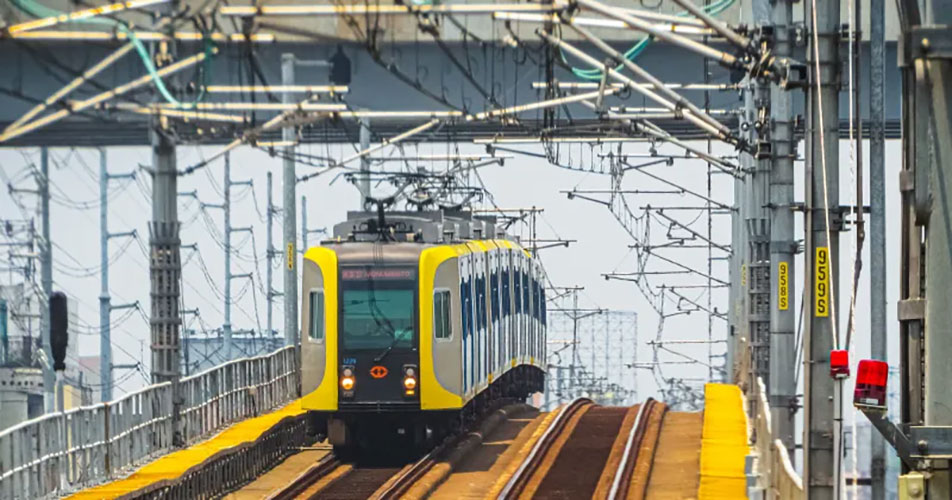
The Department of Transportation (DoTr) announced that the long-delayed Unified Grand Central Station, also known as the Common Station, is now targeted to open by the first quarter of 2028. The milestone follows approval from the Economy and Development Council to pursue a variation order with Light Rail Manila Corp. (LRMC), the private operator of the LRT-1 line.
Transportation Acting Secretary Giovanni Z. Lopez stated that the agency is fast-tracking the project after terminating the previous contractor due to significant delays. The Common Station is a critical infrastructure project designed to connect four major rail lines in Metro Manila: LRT-1, MRT-3, MRT-7, and the future Metro Manila Subway. Once completed, the interchange is expected to serve hundreds of thousands of daily commuters traversing the northern corridor of the capital region. The station is situated near major commercial centers in Quezon City, including the Trinoma and SM North EDSA shopping complexes, and has been envisioned as a cornerstone of efforts to ease Metro Manila's chronic road congestion, which routinely ranks among the worst in Southeast Asia.
The project has faced multiple postponements over the years, stemming from contractual disputes, design changes, and right-of-way issues. First proposed over a decade ago, the station became the subject of litigation between competing mall developers over its location before the government finalized a concurrence agreement designating a single site.
Separately, the DoTr confirmed it will proceed with the LRT-1 Cavite Extension to Zapote and Niog, located in Bacoor, Cavite, even if negotiations with the Villar Group fail. The department emphasized that this contingency applies provided government conditions on the right of way are not met. The Cavite Extension aims to improve connectivity between Metro Manila and the province of Cavite, one of the most densely populated provinces in the Philippines, where commuters have long relied on buses and jeepneys for daily travel into the capital.
— AEOJ

