Mary Trump Cites 'Dark Family Tradition' of Never Rejecting Money Behind Trump's Corruption
Key Takeaways
- •Mary Trump, a professional psychologist and daughter of the president's late brother Fred Trump Jr., argued in a new YouTube video that her uncle's conduct traces to a family tradition she attributes to her grandfather, Fred Trump Sr.
- •She recounted that her grandmother advised her to never reject a gift of money after a burglary at her Columbia University apartment, a philosophy she says was drilled into Donald and the wider family.
- •She described annual Christmas checks from her grandparents as a family norm, noting her mother returned the checks after being excluded from holiday gatherings at the request of Donald's and Robert's wives.
- •Mary Trump held her uncle accountable for accepting valuable gifts even if they amount to bribes, and called for leaders to be required to reject monetary gifts.
- •Her appeal parallels existing constitutional safeguards, including the Foreign Emoluments Clause barring foreign gifts without congressional consent and a companion provision limiting a sitting president to his fixed salary.
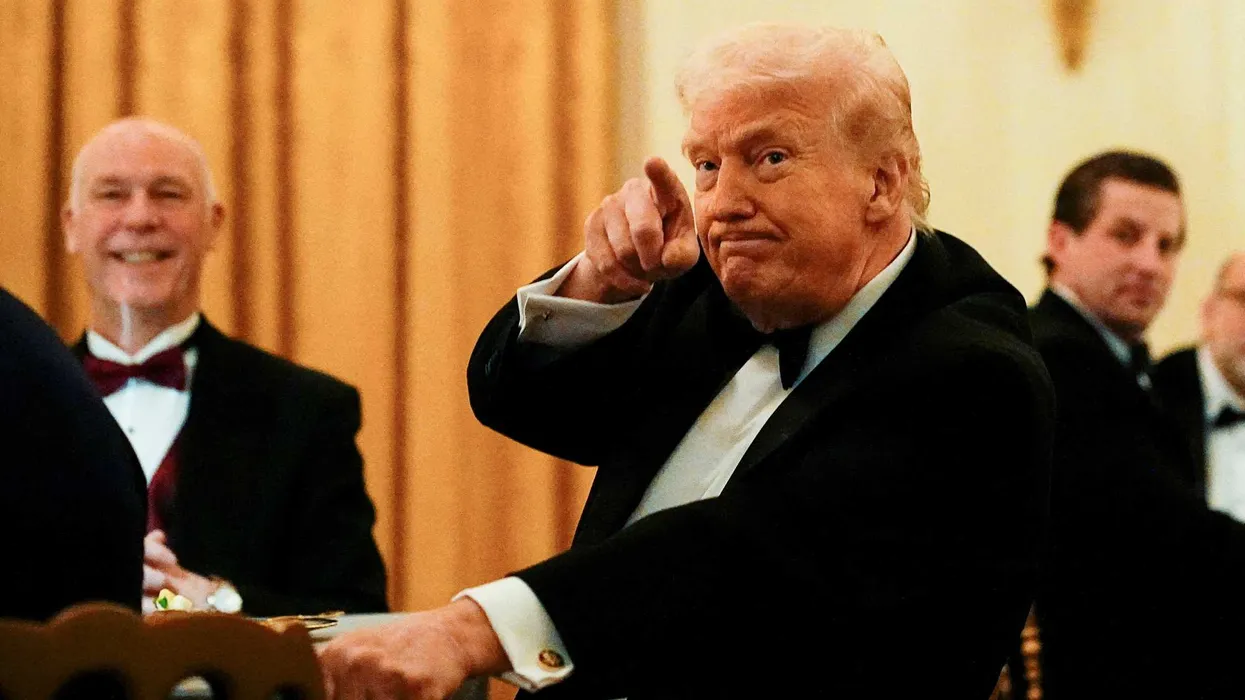
President Donald Trump's pattern of corruption and acceptance of bribes has its roots in his family's dynamics, according to his niece Mary Trump, who revealed in a new video (posted to YouTube) what she called a "dark family tradition" that explains the way he is.
The younger Trump, a professional psychologist and the daughter of the president's late older brother, Fred Trump Jr., is among the few members of the extended family who have been outspoken in criticizing his political career, emerging as a prominent voice across various forms of anti-Trump media, including video commentary on her own YouTube channel. She has often argued that her uncle became the man he is because of the warped upbringing he received from his parents, Fred Trump Sr. and Mary Anne MacLeod Trump. That argument reached its widest audience with her 2020 memoir Too Much and Never Enough, a No. 1 New York Times bestseller that traced her uncle's values to his father's influence.
In her latest video, she explained that in her family, money was "the only currency" that actually mattered — an idea that, in her estimation, trickled down from her grandfather, whom she described as "a straight-up sociopath." Because of that dynamic, she observed, money was the one gift family members believed should never be turned down.
She said she saw this belief firsthand after growing closer to her grandmother following the untimely passing of her father, Fred Trump Jr. At one point while she was attending Columbia University, her apartment was burglarized — an issue her grandmother offered to help remedy.
"I was a graduate student at Columbia at the time, and in addition to my stereo and all of my CDs and my TV and things like that, my electric typewriter... had also been stolen," she recounted. "And I mentioned to her that I really needed a new typewriter because I was working on my dissertation. She offered to write me a check, and I said no, [and] that I would figure it out. And then, for the first time in my life, Gam, as I called her, gave me some advice. She said very seriously, in her little Scottish brogue, 'Mary, never reject a gift of money.'... That philosophy, if that's what you want to call it, was drilled into Donald and pretty much everybody else in the family forever."
Mary Trump also spoke at length about how everyone in the family received two checks from her grandparents at Christmastime — amounts that were not "life-changing," but also not "inconsiderable." At one holiday gathering, the wives of her uncles, Donald and Robert, asked that her mother no longer be invited to the holidays, a decision that left her mother deeply offended. She responded by sending back the gift checks she continued to receive — a choice that no one in the family could understand.
"Can we blame Donald for accepting gifts of value even if they're actually bribes? Yes. Yes, we can," she concluded. "So, my advice is that we need to teach our children better values. I would never tell my kid that the greatest lesson in life to learn is never to reject a gift of money. I think we could do better. And you know what else? I think we should demand that our leaders, whether they want to or not, must also reject gifts of money."
Her closing appeal intersects with guardrails that already exist in American law. The Constitution's Foreign Emoluments Clause bars federal officeholders from accepting gifts, payments, or titles from foreign states without congressional consent, and a companion provision limits a sitting president to his fixed government salary. The family script she describes — never reject a gift of money — runs directly against the standard the country's founders wrote for those who hold public office.

