Fed Chair Warsh Convenes AI Forum as Inflation Debate Pressures Bitcoin
Key Takeaways
- •Federal Reserve Chair Kevin Warsh will convene a public forum on November 16 to examine whether artificial intelligence will lower inflation, raise prices, or displace American workers.
- •Fed officials hold diverging views, with Warsh arguing AI could cut production costs and ease inflation, while Governor Lisa Cook has warned that AI investment is adding inflationary pressure and delaying the return to the 2% inflation target.
- •Bitcoin fell below $69,000 on Friday after stronger-than-expected inflation figures fueled concerns about another Fed rate hike.
- •Bitcoin miners face growing competition for electricity from AI data centers, and Hyperscale Data shut down its Michigan mining operations in September for an AI customer deal potentially worth more than $1.2 billion.
- •Fed Governor Michael Barr warned Thursday that businesses replacing human tasks with AI could cause serious short-term labor disruptions.
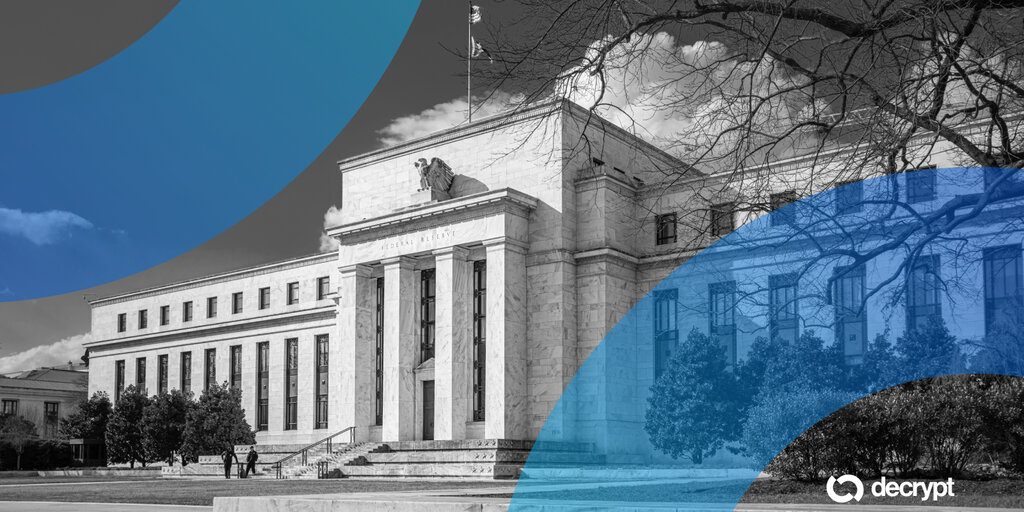
Federal Reserve Chair Kevin Warsh will convene a public forum on Monday, November 16, to examine whether artificial intelligence will bring down inflation, drive prices higher, or replace American workers. The gathering, listed as a Productivity and Jobs Task Force conference on the Federal Reserve Bank of San Francisco's website, will bring together technology executives, economists, and employers to assess how AI is reshaping the economy. Both outcomes fall squarely within the Federal Reserve's dual mandate of price stability and maximum employment, which is why the central bank is examining the technology's economic effects directly.
The findings could influence how the Fed approaches interest rates, a major factor in Bitcoin's price movements as investors weigh whether to allocate capital to risky assets or safer alternatives.
Diverging Views Inside the Fed
Warsh has argued that AI could help companies produce more goods and services at lower costs, easing inflation without requiring the central bank to keep borrowing expensive. Some of his colleagues, however, see a different problem: the AI boom is already making things more expensive, while the promised productivity benefits remain largely theoretical.
Building data centers requires enormous quantities of electricity, computer chips, construction materials, and skilled workers. When technology companies compete for those limited resources, prices rise. Fed Governor Lisa Cook warned in September that AI investment was adding inflationary pressure and delaying the central bank's return to its 2% inflation target.
A Policy Dilemma
The dynamic creates a dilemma for the Fed. If AI eventually allows businesses to produce more without raising costs, inflation could cool, giving policymakers room to lower interest rates. Lower rates generally make risky assets such as Bitcoin and tech stocks more attractive, because government bonds and savings accounts offer smaller returns, encouraging investors to seek higher gains elsewhere.
But if AI spending keeps inflation elevated, the Fed could maintain high interest rates or raise them further. That would make borrowing more expensive, strengthen the appeal of interest-bearing assets, and potentially drain money from speculative investments, including cryptocurrencies.
Bitcoin is already feeling that pressure. The cryptocurrency dropped below $69,000 on Friday as stronger-than-expected inflation figures fueled concerns about another Fed rate hike. Part of that sensitivity is built into Bitcoin itself: its protocol caps total supply at 21 million coins and releases new ones on a fixed schedule, so supply cannot expand or contract with demand the way it can for commodities or company shares.
Strain on Bitcoin Miners
AI also has a more direct connection to the Bitcoin industry than most may realize. Both AI data centers and Bitcoin mining operations require access to large amounts of electricity. As AI companies compete for power and infrastructure, miners face pressure to secure affordable energy or consider more profitable alternatives. Electricity is typically the largest recurring cost in Bitcoin mining, so that competition bears directly on the industry's economics.
Some are already abandoning Bitcoin mining altogether. Hyperscale Data shut down mining operations at its Michigan facility in September to accommodate an AI customer under a deal potentially worth more than $1.2 billion. The same has happened with other big names, including CoreWeave and other former Ethereum miners from its proof-of-work era.
Employment Risks Add Another Complication
AI's potential impact on employment adds a further complication. Fed Governor Michael Barr warned Thursday of possible “serious short-term disruptions” as businesses increasingly replace human tasks with AI systems.
Widespread job losses could weaken consumer spending, slow economic growth, and eventually increase pressure on the Fed to cut rates. But a deteriorating economy could also push investors away from Bitcoin as they look to reduce risk.
Warsh himself acknowledged in August that AI represents “a new variable” for monetary policy. The question now is whether AI's economic benefits will arrive quickly enough to outweigh the costs of building it.
Monday's conference will not determine the Fed's next interest-rate decision, scheduled for December 9. Between now and then, incoming inflation and employment data—along with the discussion at the forum—will add to the evidence policymakers weigh. But it could offer clues about how policymakers view a technology boom that is increasingly influencing both Wall Street and the crypto market.

