Former Clinton Adviser Mark Penn: Iran Rejects Diplomacy, Force May Be Necessary
Key Takeaways
- •Former Clinton strategist Mark Penn has suggested that military force may be necessary to counter Iran's regional activities due to Tehran's pattern of rejecting diplomatic overtures.
- •The 2015 JCPOA nuclear agreement has been effectively inactive since the United States withdrew in 2018, and Iran has enriched uranium beyond the deal's permitted caps according to IAEA reports.
- •Iran continues to provide support to proxy groups including Hezbollah in Lebanon, Hamas in Gaza, and the Houthis in Yemen, drawing sustained scrutiny from Washington and its allies.
- •Prediction markets indicate declining optimism for a peaceful resolution, with the probability of the U.S. ending an Iranian blockade by August 31, 2026 falling to 30% from 34% in a single day.
- •Observers are closely watching for statements from key U.S. and Iranian officials that could signal either military escalation or a renewed push for diplomatic engagement.
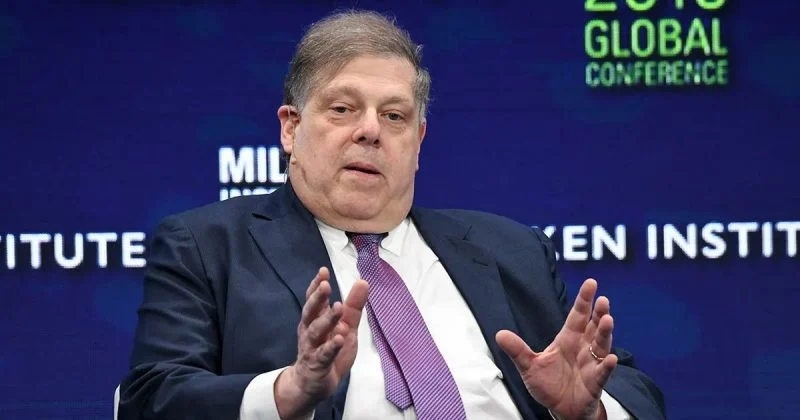
Former Clinton adviser Mark Penn has stated that Iran has repeatedly rejected diplomatic opportunities, suggesting that military force may be required to counter its regional activities. Penn, who served as chief strategist and pollster during President Bill Clinton's administration and later advised Hillary Clinton's 2008 presidential campaign, argued that Iran's pattern of refusing diplomatic overtures reflects a broader intransigence.
The comments come amid persistent tensions over Iran's nuclear program and its involvement in regional security dynamics. The 2015 Joint Comprehensive Plan of Action (JCPOA), which placed curbs on Iran's nuclear activities in exchange for sanctions relief, has been effectively moribund since the United States withdrew in 2018 under President Donald Trump. Subsequent efforts to revive the agreement have stalled, and Iran has enriched uranium to levels well beyond the deal's permitted caps, according to International Atomic Energy Agency reports. Meanwhile, Iran's support for proxy groups across the region—including Hezbollah in Lebanon, Hamas in Gaza, and the Houthis in Yemen—has drawn continued scrutiny from Washington and its allies.
Diplomatic efforts involving Iran have yielded mixed results, while the current period has seen military actions and escalating rhetoric from key players, including the United States, Israel, and Iran.
Penn's assessment aligns with growing skepticism about the viability of diplomatic engagement with Tehran. His remarks suggest that the situation may not be resolvable through negotiations alone, pointing to a potential increase in the likelihood of military confrontation.
Prediction markets reflect a similarly cautious outlook. The market for the United States announcing an end to the Iranian blockade by August 31, 2026, has experienced declining YES probabilities, with current pricing at 30%, down from 34% one day earlier. This downward trend suggests that market participants increasingly view the prospects of a peaceful resolution as diminishing, consistent with heightened military tensions.
Observers are closely monitoring upcoming statements from key U.S. and Iranian officials for signals of either escalating military activity or a renewed push for diplomacy. Announcements regarding the enforcement or potential lifting of the blockade could significantly influence market pricing. Additionally, developments in Iran's regional activities, along with responses from Israel and other regional actors, will be critical in assessing the likelihood of further escalation. Markets are expected to adjust if there is a discernible shift toward either increased diplomatic engagement or military confrontation.

