Will Formula 1 Need to Refund Sponsors for Cancelled Middle East Races?
Key Takeaways
- •Formula 1's significant Middle East presence, comprising four Grands Prix across Bahrain, Saudi Arabia, Qatar, and Abu Dhabi, makes the region's conflict especially disruptive to both the racing calendar and associated sponsorship investments.
- •Change of circumstance clauses have transitioned from optional provisions to essential components of sponsorship agreements following the widespread contract reviews prompted by the COVID-19 pandemic in 2020.
- •Sponsors must carefully scope triggering events in their contracts to ensure coverage extends beyond force majeure situations to include a rights holder's commercial decision to reorganize or relocate an event.
- •Sponsors can protect their interests by securing approval rights over proposed remedies, termination options for scheduling conflicts, insurance coverage, and control over public statements related to event cancellations.
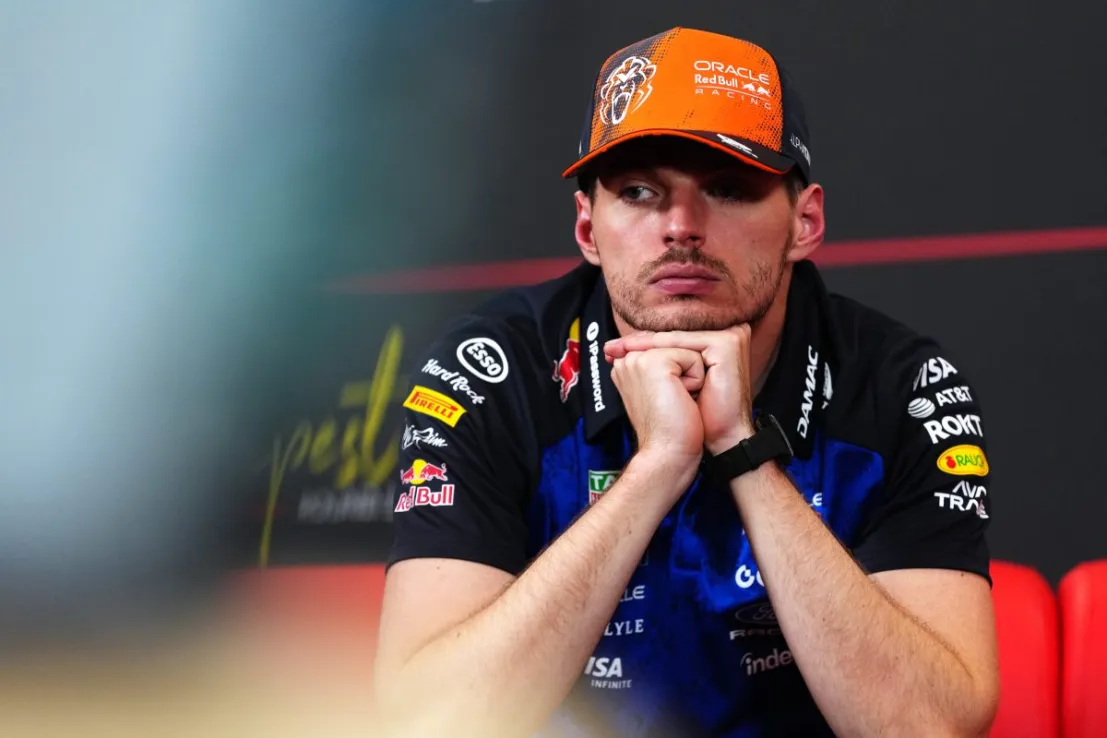
Anna Sowerby examines the legal implications for sponsorship agreements when major sporting events, such as Formula 1 Grands Prix, are cancelled or relocated.
As another blockbuster summer of sport unfolds, the current global landscape serves as a stark reminder of how rapidly circumstances can shift and place major events at risk of cancellation. The ongoing conflict in the Middle East has emerged as a prominent example, creating significant challenges across numerous industries — particularly for Formula 1.
Formula 1 races in the Middle East, most notably in Bahrain and Saudi Arabia, have been suspended or relocated due to the regional conflict, with alternative dates and venues being finalised. The World Endurance Championship had also planned to open its season in Qatar earlier in the year but successfully reorganised its calendar so that the opener took place at Imola instead. The Qatar race is currently rescheduled for October 2026. The disruptions are especially consequential for Formula 1, which has expanded its Middle East footprint significantly over the past two decades: the region now hosts four Grands Prix across Bahrain, Saudi Arabia, Qatar, and Abu Dhabi, making it one of the most concentrated racing markets on the calendar.
Disruptions to the racing calendar create headaches not only for race organisers but also for sponsors who have committed substantial sums to have their branding displayed at these events. Top-tier Formula 1 sponsorships — including title sponsorships and global partner agreements — can run into the tens of millions of dollars annually, meaning even a single relocated race can materially affect the value sponsors receive. Sponsors affected by such sudden changes inevitably ask one pressing question: "Does our sponsorship agreement adequately cover us in this situation?" While this is a critical question, the practical answer depends on how such provisions are structured and applied.
Since the Covid-19 pandemic, which forced the cancellation or postponement of more than half of the scheduled 2020 Formula 1 season and prompted widespread re-examination of sponsorship contracts across the sports industry, "change of circumstance" clauses have become an essential provision in many contracts, particularly sponsorship agreements, and are no longer regarded as merely a "nice-to-have." In the context of a sponsorship agreement, these clauses are designed to establish a mechanism ensuring that the sponsor has an appropriate remedy available when a change of circumstance prevents sponsorship rights from being exercised. The concept sounds straightforward, but these clauses contain a number of critical components.
The Real Question
First, the triggering event must be properly and deliberately scoped. For example, will the clause apply only in cases of force majeure — an event beyond a party's reasonable control — or will it extend further to cover a rights holder's commercial decision to reorganise or restructure an event or competition? Sponsors of the Formula 1 Bahrain Grand Prix are likely reviewing their contracts now that the race is set to move to Malaysia, to determine whether their agreements cover such a change of circumstance. Scoping difficulties arise in scenarios where a government authority pressures event organisers to cancel without officially ruling that the event cannot proceed. Naturally, sponsors benefit from having these clauses drafted as broadly as possible, maximising opportunities for a remedy.
Another critical consideration is the nature of the sponsor's remedy. Is the rights holder obligated to reschedule the event, giving the sponsor another opportunity — albeit at a different time — to exercise their rights? If rescheduling is not feasible, what pro-rated refund or alternative rights will the sponsor be offered? Where the remedy involves a pro-rated refund or alternative rights, it is important for sponsors to retain some form of approval over the outcome, ensuring they are not left with a consolation prize that falls short of what they originally bargained for.
Formula 1 as a Test Case
Consider sponsors who paid to support a race in the Middle East: would they lose out if those races are rearranged to take place in Europe, where they may have a limited market presence? This question takes on added weight for sponsors whose branding strategies are specifically built around regional audience reach and hospitality entitlements tied to the original venue. While sponsorship agreements are entered into in a spirit of partnership and collaboration, it is not always possible for the parties to agree on a remedy between themselves. To avoid a stalemate, the parties can appoint an independent expert to ensure that the refund or replacement rights are of equal value to the original rights that were not exercised.
Sponsors should also consider other legal tools that may be available to them, including: the inclusion of a termination right if the rescheduled event conflicts with their existing commitments; obtaining and maintaining insurance to offset any financial implications; and potentially securing control over public statements regarding the cancellation, particularly where their brand is closely associated with the event — for instance, as a title sponsor.
Naturally, the hope for any sponsor — and any lawyer drafting such a clause — is that it will never need to be invoked. However, it is wiser to expect the unexpected than to remain silent and be exposed to all manner of risk. Sponsors involved in motorsport are likely arriving at this realisation now, with the season at its midpoint and the racing calendar still subject to disruption.
Anna Sowerby is an Associate in the Commercial team at international law firm Charles Russell Speechlys.

