GOP Strategist Marc Short: Trump's Beef-Price Move Is an Admission That Tariffs Raised Prices
Key Takeaways
- •Marc Short argued that the administration's decision to lower tariffs in order to reduce beef prices effectively concedes that its tariffs were responsible for pushing prices higher.
- •Short said Trump's executive order renaming Lake Ontario as Lake America does not help Republicans in competitive races ahead of November's midterms, when all 435 House seats and about a third of the Senate will be contested.
- •Short described the ongoing trade war with Canada as counterproductive, noting that Canada is one of the United States' largest trading partners and that tariffs continue to raise prices while Americans worry about affordability.
- •Agriculture Department figures show retail beef prices have reached record highs as the U.S. cattle herd has contracted to its smallest size in decades.
- •The White House denies that its tariffs raise consumer costs, but studies by Federal Reserve economists and academic researchers found that earlier U.S. tariff costs were largely borne by American importers and passed along to consumers.
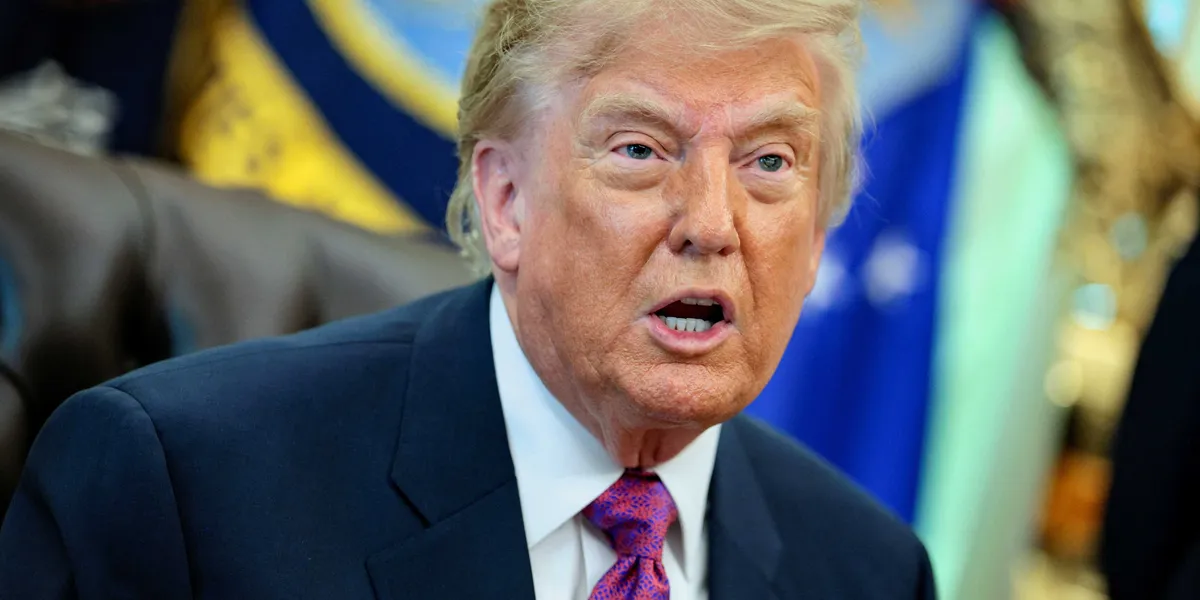
Republican strategist Marc Short argued that President Donald Trump's recent attempt to lower beef prices amounts to an acknowledgment that the administration's own tariffs had driven prices higher.
Short, who served as White House legislative affairs director in Trump's first term and later as chief of staff to Vice President Mike Pence, has been critical of the administration's tariff agenda since leaving government. Speaking Thursday on CNN, he addressed Trump's executive order renaming Lake Ontario as Lake America and weighed how Republican candidates view the move ahead of November's critical midterm elections, in which all 435 House seats and roughly a third of the Senate are on the ballot.
"I think there are a lot of Republicans who are facing a midterm election in less than three months, and are anxious to address some of the issues that Americans view as top priorities," Short said. "And not this."
Trump might be "entertained by it, but I don't think it really helps a lot of the Republicans that are trying to win competitive races," Short stressed, adding that "voters face a really short choice in November."
Short said Republicans hold a legitimate line of attack against Democrats by casting them as socialists and anti-Semites, "and yet we're not able to focus on that because we're talking about, you know, renaming lakes."
Beyond the lake renaming, Short said Trump's tariffs on Canada will not help Republicans in the midterms, arguing that Americans are preoccupied with bigger problems closer to home. Canada has long ranked among the United States' largest trading partners, with two-way goods trade running into the hundreds of billions of dollars each year.
"That trade war that's ongoing with Canada is really counterproductive when they have been one of our greatest trading partners," he explained. "Americans are concerned about affordability, and the tariffs continue to raise prices."
Short then took aim at the White House's denial that its policies raise prices, pointing to the administration's recent approach to reducing beef costs by lowering tariffs. Beef has become a flashpoint in the affordability debate: retail beef prices have climbed to record highs while the U.S. cattle herd has contracted to its smallest size in decades, according to Agriculture Department figures, and public polling has consistently shown voters rank prices among their top concerns.
"I know there's a lot of conversation from the administration that says they don't raise prices," Short said. "But just last week, to lower the price of beef, what did they do? They lowered tariffs, and so it's a clear acknowledgement that that's actually the economic formula to lowering prices."
The White House has pushed back on claims that its tariffs drive up consumer costs, though studies by Federal Reserve economists and academic researchers on earlier rounds of U.S. tariffs found the costs were largely borne by American importers and passed along to consumers.
Source: Raw Story

