MAHA Coalition Feels Abandoned as 2028 GOP Hopefuls Keep Their Distance
Key Takeaways
- •MAHA leaders say they have been unable to identify a candidate willing to carry the movement's agenda into the 2028 presidential race.
- •HHS Secretary Robert F. Kennedy Jr. announced in July he would leave the administration to launch his own 2028 presidential bid, leaving MAHA without a champion inside the executive branch.
- •The Trump White House's February decision to side with Bayer, the maker of Roundup, disillusioned top MAHA leaders and highlighted tensions with the administration's deregulation agenda.
- •Vice President JD Vance, regarded as an early 2028 Republican front-runner, has drawn little enthusiasm from MAHA, whose leaders say he has shown minimal interest in the cause.
- •MAHA figures, including Kelly Ryerson and Alex Clark, expressed frustration that issues like regenerative farming and pesticide reduction are not being championed by potential candidates.
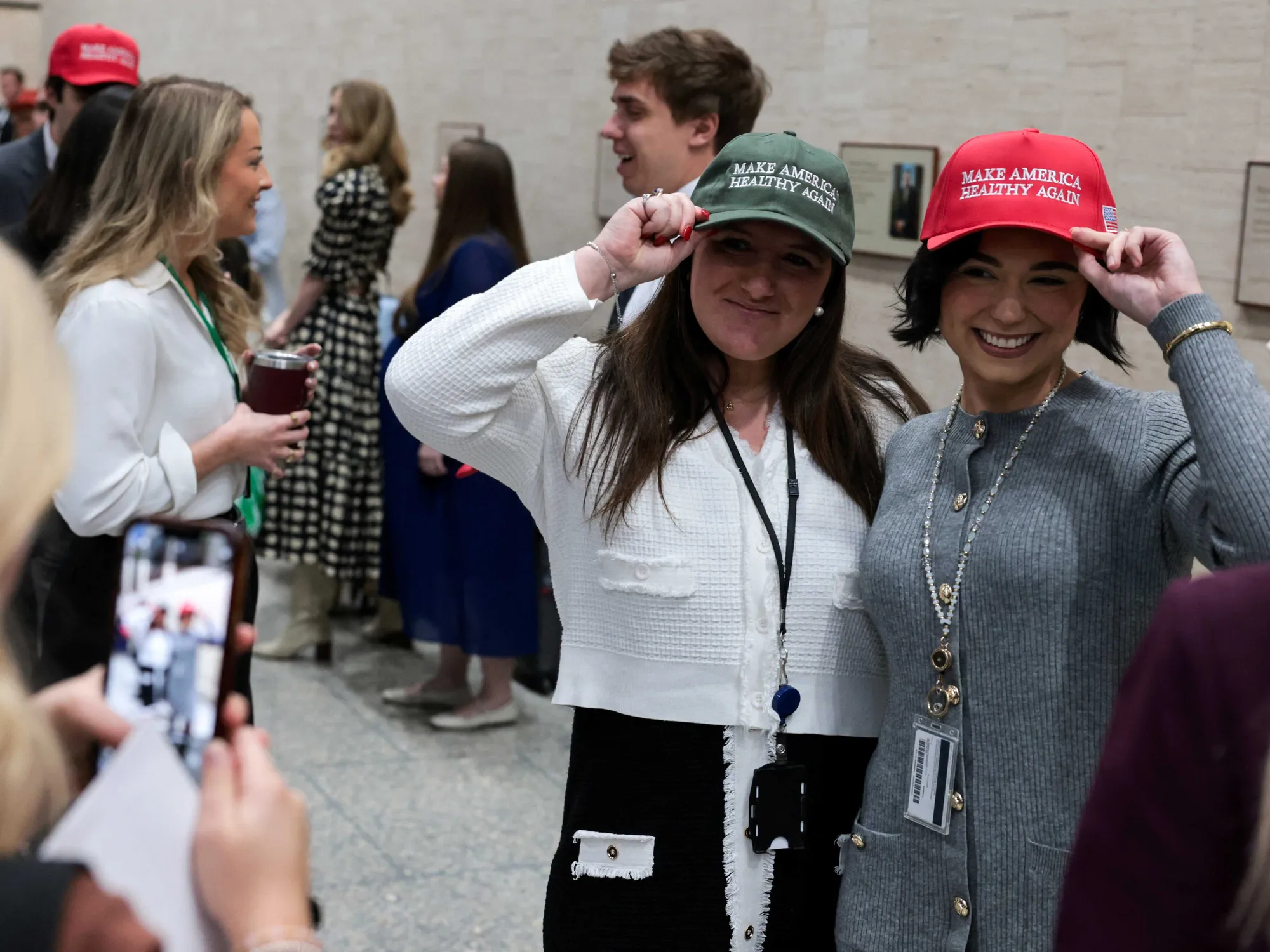
The Make America Healthy Again (MAHA) movement, which helped President Donald Trump win in 2024, says it is falling apart as it feels abandoned and leaderless.
In a Friday Politico article, coalition leaders said they have been unable to find a candidate willing to carry their agenda into the 2028 race, and they blame the Trump administration for letting the movement's momentum fade. The movement is also losing its most prominent champion at the top of government: Kennedy announced in July that he would leave the administration to launch his own 2028 presidential bid, leaving MAHA without an incumbent standard-bearer inside the executive branch.
"I haven't seen anyone that I'm excited about," MAHA influencer Kelly Ryerson told Politico. Ryerson believes issues such as regenerative farming and cutting pesticides are politically potent. "And it's weird to me that they aren't being more vocal about it because it's so winning, but they're not."
Health and Human Services Secretary Robert F. Kennedy Jr. fought the maker of Roundup in court earlier in his career, which earned him favor with MAHA because the movement considers pesticides toxins that need to be reduced or eliminated. However, in February the Trump White House sided with pesticide giant Bayer, the maker of Roundup — a decision that, according to Politico, "disillusioned" top MAHA leaders. The February decision underscored a broader tension in the coalition: MAHA's anti-pesticide priorities have repeatedly collided with the administration's deregulation agenda and the interests of agricultural and chemical industry groups that back it.
"When it comes to 2028, I don't think the next president is in the race yet," said Vani Hari, a longtime ally of Kennedy who advocates for healthier ingredients in food.
Vice President JD Vance has drawn little enthusiasm from MAHA despite praising the movement at a 2025 summit, Politico reported. MAHA leaders, including Ryerson, say he has not shown much interest in the cause. Vance, as vice president, has been regarded as an early front-runner for the 2028 Republican nomination, making his cool reception from MAHA notable for a movement seeking early influence over the field.
"He's had an opportunity for the last few years to really dig into that, be involved, speak at things, be really supportive," Alex Clark, who hosts a health and wellness podcast for Turning Point USA, told Politico. "I mean, I've basically heard nothing. So that's a huge missed opportunity."
A recent joke by Secretary of State Marco Rubio about his love for Pop-Tarts also did not land well with MAHA, which sees itself at war with processed foods.
"The torch was burning so fierce in 2024, and now it's like flickering," Clark said. "I wouldn't say it's snuffed out totally yet, but jeez Louise, we're barely hanging on."
