Maggie Haberman: The War Was "the Furthest Thing From" Trump's Mind
Key Takeaways
- •Maggie Haberman said Trump's transformation of American government amounts to a fundamental re-imagining of the US presidency and is unlikely to be replicated by another figure.
- •Haberman attributed Trump's absence from the campaign trail to the fact that his own name is not on the ballot, even as he tells supporters to vote as though it were.
- •Haberman said Trump operates within an 'unreality bubble' but remains briefed on and aware of unfavorable realities, including poor poll numbers.
- •Haberman connected Trump's preference for his own instincts over advisers' guidance to his decision to go into Iran and to friction with his own voters over artificial intelligence.
- •Haberman described the first six months of Trump's governing partnership with Elon Musk as a drag on the administration and called the DOGE effort a failure.
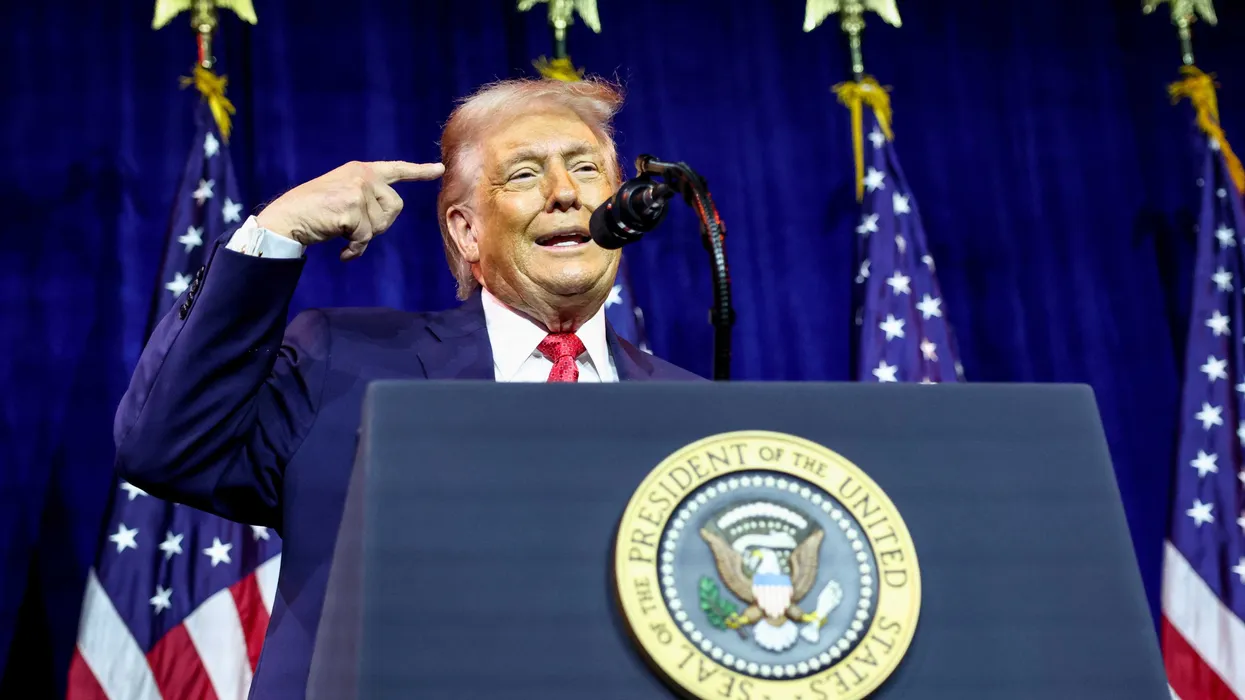
New York Times reporter Maggie Haberman — often described as the "Donald Trump whisperer" — offered a wide-ranging assessment of President Donald Trump on "The Mishal Husain Show" for Bloomberg News, ranging from the upcoming election to the war in Iran and his governing partnership with Elon Musk. While she said she does not believe the United States is likely to see another figure like Trump, she argued that what he has done to American government "is a fundamental re-imagining of the US presidency."
The conversation touched on the upcoming election and whether Trump traveling around the country to campaign for Republican candidates will help or hurt the party. Husain asked why Trump has yet to appear on the campaign trail even as he urges crowds to vote as though his name were on the ballot. Haberman was direct: Trump is not campaigning because his name is not on the ballot.
"And it's interesting because there was a reason for that for a long time where he would poll somewhat better than the generic Republican brand. I don't think that's the case now, but he said something last year about how he was either proud or honored that Republicans don't do as well when he's not on the ballot," Haberman said.
"He has set up this distance from his own party. And again ... he is viewed as separate from the Republican Party and the brand or the worst of it in terms of how it polls," she added.
Even when Fox News host Laura Ingraham asked whether he would be campaigning harder than ever before, Trump answered "no."
According to Haberman, the "big test" is whether Trump will be forced out of what she calls his "unreality bubble" while on the campaign trail. In her book co-written with Jonathan Swan, she noted, a story appears about the six people who essentially run the government, with no one outside that circle invited into those discussions with Trump's top advisors.
"It's hard to break through that unreality bubble with him. Again, this is why being out on the campaign trail will be a big test," Haberman said.
"It's not that he's in a bubble where he's only on Truth Social and he's only watching the markets. He does know about these realities," Haberman explained. "The unreality bubble doesn't mean that he's not aware of actual reality. It just means that he is sticking to his version of reality, but he is briefed. He is told."
"He is briefed on how this is going. He does know what the truth is," said Haberman. Asked whether Trump knows just how bad his poll numbers are, she said he does. "But again, that's another 'reality is what you make it,' as he projects," she added.
Husain observed that if the GOP fails miserably in the election, it will reflect poorly on Trump. Haberman countered that Trump does not see it that way: while he tells his supporters to pretend he is on the ballot, he knows full well that he is not — and that, she suggested, is the major reason he does not care much.
On issues such as artificial intelligence, Husain questioned why Trump is in such conflict with his own voters. The tension sits inside Trump's own coalition — the same voters he has been urging to turn out.
"I think more than not registering. I mean, he's made comments that would've been fatal for a politician before about this, that people want to stay poor if they don't want this, everybody should want this," Haberman said. "It goes to the out-of-touch thing that we were talking about. Look, the president believes his own instincts are better than any other data that people give him and any other information."
That same reliance on instinct, she said, is part of why Trump went into Iran despite those advising against it. She noted that Trump would love "to cut and run" on Iran, but even that option is off the table.
"He told Tucker Carlson, again, we have this in the book, 'It's going to be okay because it always is.' And in his mind, it always is for him. It's just not always okay for other people, but it certainly is not okay right now, but we'll see," Haberman said.
"The war really was the furthest thing from his mind," she later said.
Haberman also pointed to the first six months of the "co-presidency" with Elon Musk as another drag on the administration.
"DOGE just was a failure. It just didn't work. The fact that the GOP Congress has acted like an arm of the executive branch has been pretty shocking in a way I've never seen before in my lifetime," said Haberman. "That is the difference. I talked to Elon Musk for quite a long interview on a stage when he was still running DOGE actually, but not long before he decided that he'd had enough. And I think he really didn't like being asked questions about how that was going because it probably was, I hazard a guess, harder than he imagined it was going to be to make a difference there."
Per Alternet.

