Maggie Haberman Declines Clinical Verdict on Trump's Cognition, Says His Age at 80 'Shows'
Key Takeaways
- •Maggie Haberman refused to offer a medical opinion on whether President Trump is in cognitive decline, saying she is not a doctor and journalists only see so much of the president.
- •Haberman cited physical concerns including hand bruising lasting nearly two years, swollen ankles, an unusually large aspirin regimen, and repeated eye-closing episodes at public events.
- •She flagged reduced health transparency, pointing to more frequent trips to Walter Reed and a physical conducted by 22 specialists that the White House would not explain, while noting presidents face no legal duty to release medical records.
- •Haberman said she and co-author Jonathan Swan noticed nothing amiss during an hour-long fact-checking session with Trump for their book 'Regime Change.'
- •Haberman maintained that Trump's behavior is unchanged from his past, acknowledged that his age shows, and noted a legitimate public debate about electing 80-year-olds, referencing Joe Biden's July 2024 withdrawal from the race.
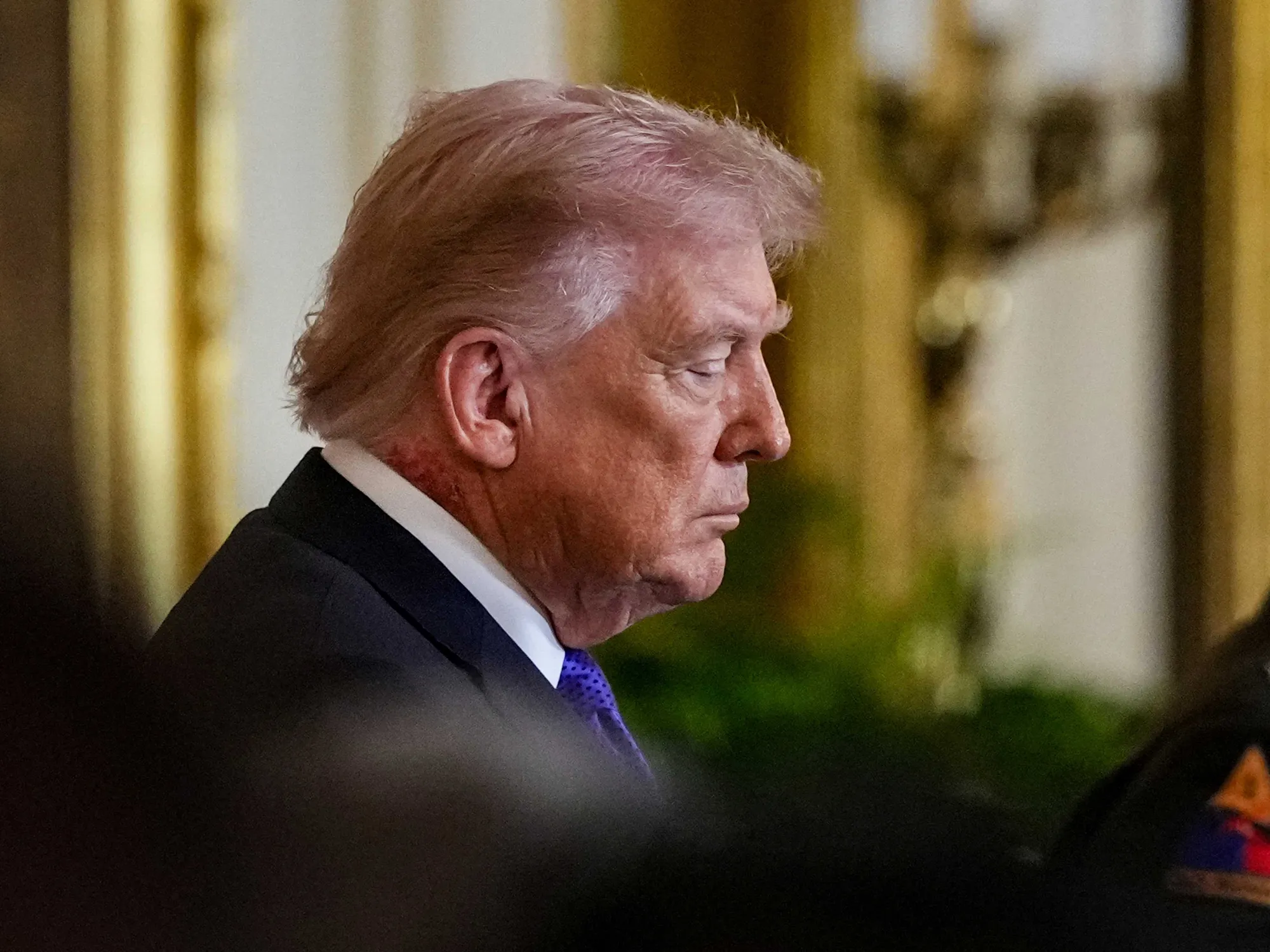
New York Times White House correspondent Maggie Haberman declined this week to offer a clinical judgment on whether President Donald Trump is in cognitive decline, instead drawing a sharp distinction between the president's age — which she said plainly shows — and the conduct critics describe as erratic, which she insisted is nothing new.
Haberman, co-author of the bestselling "Regime Change," appeared on The Jim Acosta Show, the podcast launched by the former CNN anchor after his January 2025 departure from the network, where host Jim Acosta asked her directly: "Maggie, do you think that he's all there?"
Her response was hedged and deliberately incomplete.
"I have no indication that he's, I mean, obviously that I'm not a doctor and we don't see him as often as we used to," she said, before cataloguing the physical questions surrounding the 80-year-old president, who became the oldest person ever inaugurated when he took the oath of office in January 2025.
Haberman pointed to hand bruising that has persisted for close to two years, an aspirin regimen she described as unusually large based on what she has read from experts, swelling ankles, and recurring episodes of eye closure at public events — "either sleeping or transcendental meditation or God knows what."
She also acknowledged watching Trump sleep during his 2024 criminal trial in Manhattan, and flagged what she described as shrinking transparency around his health, including more frequent trips to Walter Reed — the National Military Medical Center in Maryland where presidents routinely receive care — and a physical conducted by 22 specialists that the White House would not explain. Presidents are under no legal obligation to release their medical records, and questions about Trump's health disclosures predate his presidency: his then-personal physician later said Trump dictated the 2015 letter pronouncing him the healthiest individual ever elected to the presidency.
"These are all valid questions for a president," she said.
Haberman offered a counterweight, noting that she and co-author Jonathan Swan spent an hour fact-checking their book with Trump and detected nothing amiss.
"I did not notice a difference, but again, we only see what we see," she demurred.
Pressed on whether Trump is simply as erratic as ever, Haberman refused the clinical frame while holding firm on the behavior.
"He is exactly who he has always been," she said. "Do I think that he's 80 and that shows? Yes, I do. But that's a different question."
The exchange has a recent precedent. Joe Biden, then 81, abandoned his reelection bid in July 2024 after his June debate performance drew weeks of pressure from fellow Democrats — a period Haberman's own newspaper covered in detail.
The broader cognition debate, she added, "tends to be clinical about him. And I am not equipped to answer that" — leaving, in her words, "a legitimate conversation out there about whether 80-year-olds are wise to keep electing."

