Lundin Mining cuts 2026 copper outlook after second winter storm hits Caserones in Chile
Key Takeaways
- •Lundin Mining cut 2026 copper guidance for its Caserones mine to 120,000-130,000 tonnes from 130,000-140,000 tonnes and raised forecast cash costs at the operation to $2.15-$2.35 per pound.
- •A second winter storm that began August 13 damaged a transmission tower and caused another power outage at Caserones on August 14, after the mine had already lost power from July 18 to July 30.
- •The setbacks reduced Lundin's consolidated 2026 copper production forecast to 300,000-325,000 tonnes, and Caserones still accounts for roughly 40% of the company-wide target.
- •CEO Jack Lundin said teams are restoring power, repairing infrastructure, and reopening access routes to safely return Caserones to full production as quickly as possible.
- •The outages highlight the production and cost risks extreme weather poses to high-altitude mines in Chile, the world's largest copper-producing country.
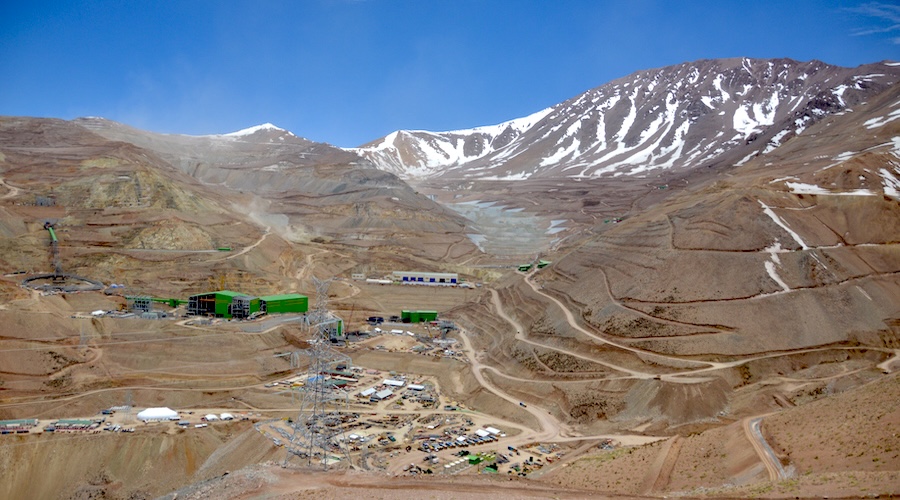
Lundin Mining (TSX: LUN) has cut its 2026 copper production forecast after a second severe winter storm struck the company's operations in Chile's Atacama region, disrupting its recovery from an earlier power outage.
The Canadian miner lowered full-year copper guidance for its Caserones mine — a copper-molybdenum operation in the Andes that Lundin took to full ownership in 2023 — to 120,000-130,000 tonnes, down from 130,000-140,000 tonnes, and raised forecast cash costs at the operation to $2.15-$2.35 per lb., from $2.05-$2.25 per pound.
"Following the first storm, we expected the impact on production to remain within the lower end of our original guidance range," CEO Jack Lundin said in a company statement. "Unfortunately, a second severe storm disrupted recovery efforts and delayed our planned return to full operations, leading to additional unplanned downtime."
The setbacks at Caserones have also weighed on Lundin's company-wide outlook, reducing its consolidated copper production forecast to 300,000-325,000 tonnes and pushing expected cash costs to $1.95-$2.15 per pound. The revision underscores the mine's weight in the company's portfolio: even the lowered mine-level guidance represents roughly 40% of the consolidated copper target.
Storm damage
The latest storm began on Aug. 13, bringing heavy rain at lower elevations and unusually heavy snow and strong winds at higher altitudes in the Andes. The storm arrived in the middle of the Southern Hemisphere winter, the season when severe weather most commonly affects Chile's high-altitude mines.
Severe winds and snowfall caused another power outage at Caserones on Aug. 14 after damaging a transmission tower that had already been affected by an earlier storm. The mine had previously lost power from July 18 to July 30.
The back-to-back outages have extended the recovery period and forced Lundin to repair infrastructure and reopen access routes before Caserones can return to normal operations.
"Our teams continue to make strong progress restoring power, repairing infrastructure, and reopening access routes, and we remain focused on safely returning Caserones to full production as quickly as possible," Lundin said.
The revised outlook highlights the production and cost risks that extreme weather conditions pose to Lundin's and other high-altitude Chilean mines. Chile is the world's largest copper-producing country, and its northern highlands host some of the industry's biggest operations, so weather-related outages at major mines there are tracked closely by copper buyers, analysts and other producers. Updates on the pace of Caserones' return to full operations are expected to feature in Lundin's next quarterly results.

