High Interest Rates and Low Confidence Squeeze Construction Firms, Lords Warns After Record Stock Plunge
Key Takeaways
- •Lords Group's shares plunged 20.61% to an all-time low of 13p, bringing year-to-date losses to more than 40%, after a difficult market update on Thursday.
- •CFO Stuart Kilpatrick cited reduced market confidence, elevated interest rates, and increased national insurance costs as the primary pressures weighing on the UK construction sector.
- •The company reported first-half revenue of £232m and guided to full-year revenue of £475m–£495m with adjusted pre-tax earnings of £17m–£18m, while noting no indication of recovery in the second half of 2026.
- •The UK construction industry, accounting for roughly 7% of GDP and employing over two million people, is contending with some of its steepest cost increases in three decades alongside sustained job losses.
- •Lords saw positive growth in its digital division at 17.5% and expects approximately £1.5m in savings from restructuring its plumbing and heating divisions.
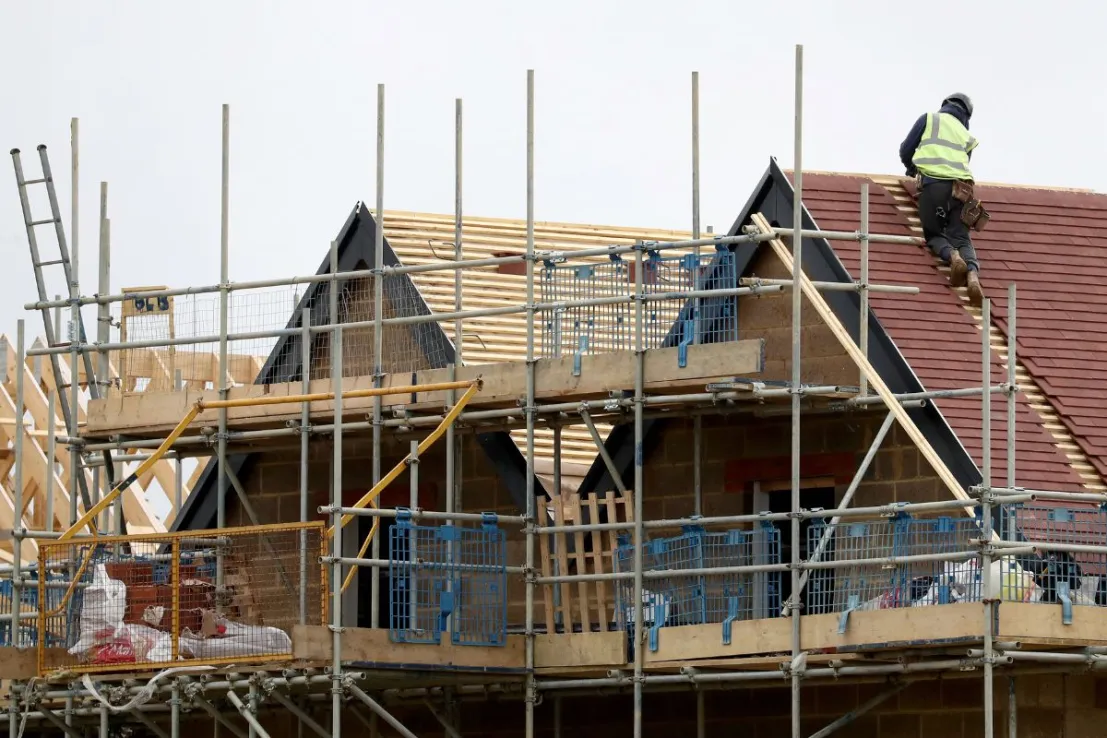
Builders' merchant Lords has issued a stark warning about the pressures bearing down on the UK construction industry, citing reduced market confidence, elevated interest rates, and rising national insurance costs, after the company suffered its largest-ever single-day share price decline.
The London-based firm, listed on AIM and operating more than 200 branches supplying building materials to tradespeople and contractors, delivered a difficult market update on Thursday, triggering a 20.61 per cent plunge in its shares to an all-time low of 13p. The stock has now fallen more than 40 per cent since the beginning of the year.
Chief financial officer Stuart Kilpatrick identified the principal driver of the downturn as a broad lack of confidence among markets and individuals, leaving potential customers "sitting on their hands a little bit." Because merchants such as Lords sit between manufacturers and the tradespeople who carry out projects, softening demand at this level of the supply chain often signals delayed or cancelled building work before it shows up in official output data.
He urged the government to streamline the planning process, restore economic stability, and ease financial pressures on businesses, including a reduction in employers' national insurance contributions.
"The government's not helped us really with national insurance, which has pushed our costs up and everyone else's costs up of employment," Kilpatrick said.
He added that persistently high interest rates remain a major concern, noting that no one was "predicting an invasion of Iran in the early part of this year," a development that has placed additional economic strain on the sector. Elevated borrowing costs affect the construction industry on two fronts simultaneously: they raise financing costs for developers undertaking projects and they constrain mortgage availability for homebuyers, reducing demand for new housing.
Housebuilders Under Pressure as Burnham Pledges Housing Push
The construction industry ranks among the largest sectors in the UK, accounting for approximately seven per cent of GDP and employing more than two million people. It is currently contending with some of the steepest cost increases seen in three decades.
Homebuilder Berkeley cautioned last month that "decisive intervention" from the government was necessary, warning that London could miss its housing targets.
Crest Nicholson reported a £35m loss, attributing the result to higher interest rates, rising costs, and deteriorating consumer confidence tied to the Iran conflict.
The sector has also experienced widespread job cuts, with the S&P Global Purchasing Managers' Index (PMI) recording "sustained job shedding." Tim Moore, economics director at S&P Global Market Intelligence, said the industry had also been hit by weakness in civil engineering, which registered its poorest performance since the onset of the pandemic.
Prime Minister Andy Burnham has pledged to deliver the "biggest council housing programme since the post-war period," though specifics of the initiative have not yet been detailed.
No Sign of Recovery in the Second Half
Lords Group reported first-half revenue of £232m, a marginal decline from £232.8m in the same period last year.
The results included some positive signs: digital division revenues grew 17.5 per cent, spares revenue rose eight per cent, and trading in the merchanting division improved during the second quarter.
Nevertheless, the company said it sees no indication of a meaningful market recovery in the second half of 2026. The board guided to full-year revenue of between £475m and £495m, with adjusted pre-tax earnings of £17m to £18m.
The sharpest decline came in the repairs, maintenance and improvement (RMI) and building materials business, which fell 4.9 per cent on a like-for-like basis in the first quarter. The rate of decline moderated to 2.2 per cent in the second quarter. RMI work is typically considered more resilient than new-build construction during economic downturns, as homeowners repair rather than move, making sustained weakness in this segment a particularly pointed indicator of broader market stress.
"There's just been no improvement this year from the second half of last year," Kilpatrick said. "But we're doing all we can to keep winning market share, keep driving the business forward and keep our costs down."
The company has also restructured its plumbing and heating divisions, a move it expects will yield savings of £1.5m.
"We're just getting ourselves in the best position we can, should the market ever turn around," Kilpatrick added.

