LG to Release Nvidia-Powered Humanoid Robot in 2027
Key Takeaways
- •LG plans to release a next-generation bipedal humanoid robot built on Nvidia's Isaac GR00T foundation model in 2027.
- •The humanoid will use Nvidia's Jetson Thor platform for onboard computing, reasoning and control, together with the Nvidia Halos robotics safety system.
- •LG and Nvidia will additionally develop a robot data factory based on LG CNS's PhysicalWorks platform for data collection, synthetic data generation, training and verification.
- •LG intends to test its wheel-based CLOiD robot on its Clarksville, Tennessee washing machine production line later this year before potentially wider deployment.
- •The humanoid project forms part of an Aug. 14 memorandum of understanding and positions LG alongside Hyundai, Samsung and Tesla in the emerging humanoid robotics field.
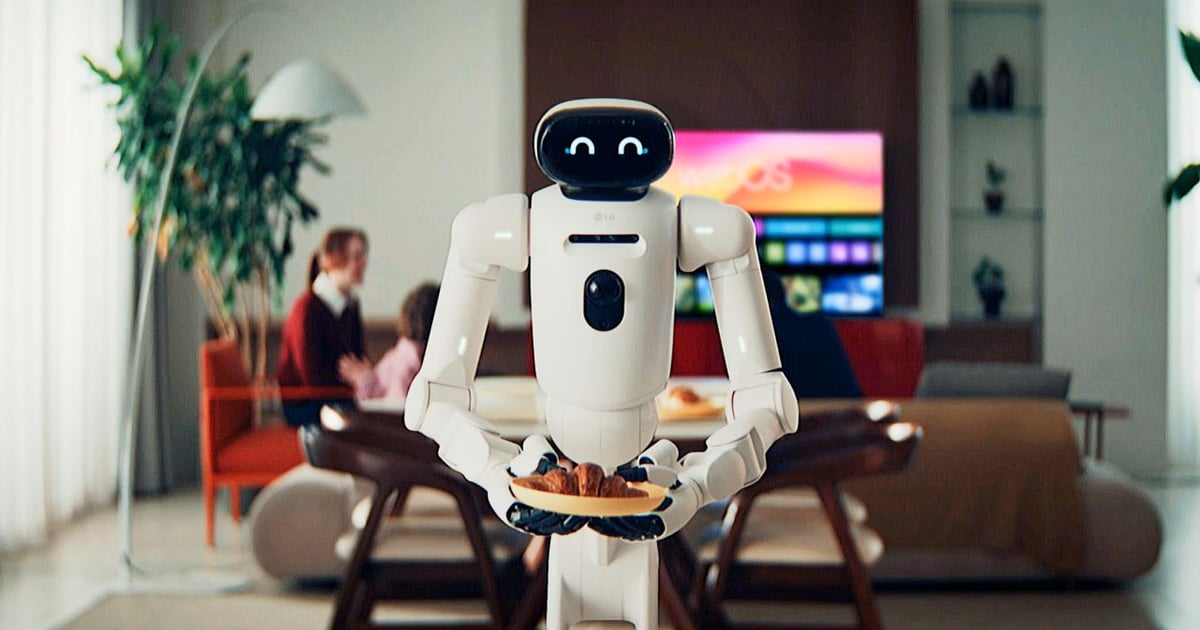
LG is developing a next-generation humanoid robot using Nvidia Isaac GR00T, Nvidia's open reasoning humanoid foundation model, for release in 2027, adding LG's name to a widening field of technology and manufacturing giants developing humanoids.
The development forms part of a memorandum of understanding the two companies signed on Aug. 14 to deepen their work in physical AI across robotics, AI factories and mobility deployments. Nvidia has positioned physical AI — machines that can perceive, reason about and act in the physical world — as a core strategic focus, and its GR00T models are already used by humanoid developers including Agility Robotics, Boston Dynamics, Figure AI and Unitree. Other heavyweights are pushing into the same field: Hyundai Motor Group owns Boston Dynamics, Samsung Electronics has invested in Rainbow Robotics and identified robotics as a future business area, and Tesla is developing its Optimus humanoid.
Under the agreement, the bipedal humanoid will be built using Nvidia's Isaac GR00T foundation model as well as the Jetson Thor platform for onboard computing, reasoning and control. LG also plans to use Nvidia Halos, the company's safety system for robotics. Nvidia first unveiled GR00T at its GTC developer conference in March 2024, released the open Isaac GR00T N1 model at GTC in March 2025 and introduced Halos at the same event as an open safety framework spanning the robotics hardware and software stack.
The partners will additionally develop a robot data factory using the PhysicalWorks platform from LG CNS, LG's IT services and consulting division. The platform is designed to support physical AI with data collection, synthetic data generation, training and verification, an approach Nvidia has also backed with its Cosmos world foundation models for generating synthetic training data for physical AI systems.
The South Korean tech giant is also planning to deploy its CLOiD wheel-based robot at its washing machine manufacturing line in Clarksville, Tennessee later this year. The deployment will enable the company to test the robot in a live production environment before potentially expanding it to other manufacturing sites, homes and commercial spaces.
The partnership also extends into AI infrastructure, with LG planning to use Nvidia's DSX platform to develop AI factory reference sites.
"As our discussions have moved fast, our tasks and goals in AI factory and physical AI have become clear," Koo Kwang-mo, Chairman and CEO of LG, said in a release. "We will accelerate the spread of AI by building industry-leading references."
"The defining opportunity of physical AI is to give every machine the ability to understand the real world, reason and act safely alongside people -- reshaping everyday life from the home and factory floor to the road," Nvidia CEO Jensen Huang said in the release.
Source: AI Business

