Five Ways Lenticular Printing Makes Marketing Materials Stand Out
Key Takeaways
- •Lenticular printing uses a sheet of tiny cylindrical lenses placed over interlaced images to reveal different visuals as the viewing angle changes.
- •Motion effects in lenticular prints leverage people's natural instinct to notice movement, causing viewers to stop and engage with the material.
- •A single lenticular print can communicate multiple messages from different angles without requiring additional space or separate designs.
- •Physical interaction with lenticular designs makes marketing materials more memorable by encouraging audiences to hold, tilt, and explore the piece.
- •Lenticular printing is particularly effective for product launches, trade show giveaways, retail displays, and promotional campaigns that need to differentiate from conventional print materials.
At a crowded trade show, a brochure lying on a table competes with dozens of competing brands for attention. People often decide within seconds whether a promotional piece is worth a closer look, and even a well-designed print can be overlooked if it appears similar to everything around it.
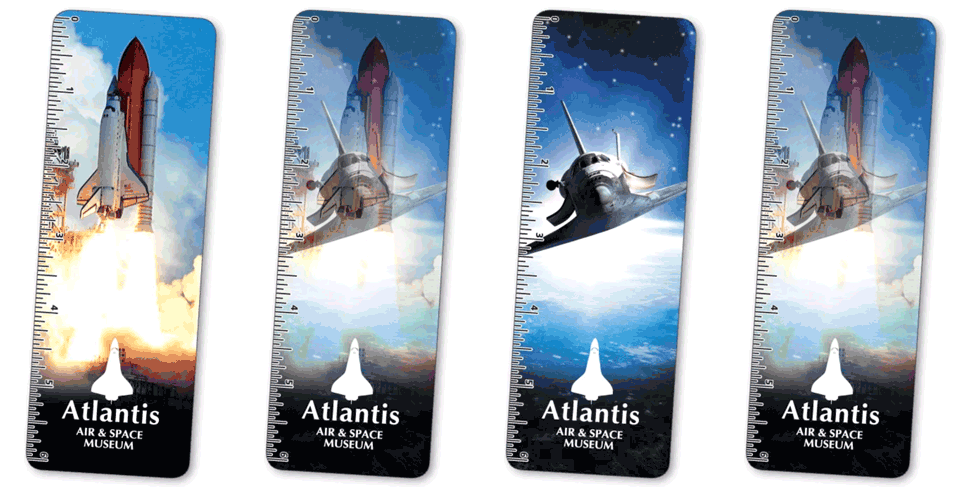
Lenticular printing offers a solution by adding movement, depth, and changing visuals that give people a reason to pause and engage with a design rather than walk past. The technique works by placing a sheet of tiny cylindrical lenses over interlaced images, so that different visuals are revealed as the viewing angle changes. These effects transform conventional printed materials into interactive pieces that stimulate curiosity and hold attention longer. Whether applied to marketing campaigns, product displays, or promotional items, understanding how lenticular printing captures attention can lead to more impactful designs.
The appeal comes at a time when physical marketing materials are competing not only with each other but with an expanding landscape of digital advertising. As consumers grow accustomed to scrolling past digital content, tactile and visually surprising print formats are drawing renewed interest as a way to cut through the noise.
Here are five ways the technology makes printed materials more noticeable.
1. Motion That Draws Eyes to a Static Print
A lenticular print can turn a still image into something that feels active and dynamic. Unlike conventional prints where the image stays fixed, lenticular designs produce motion as the viewer changes position. This subtle shift can immediately make content more engaging.
Motion works because people are instinctively attuned to movement in their surroundings. A product reveal, a before-and-after transition, or a changing picture effect can make a promotional card, retail display, or direct mail piece feel interactive without requiring a screen. Rather than skimming past the message, viewers tend to stop and watch the image change.
That extra moment of attention is valuable when materials compete against many others. Whether promoting a new product, an event, or a branded giveaway, motion effects can make a message feel fresh and connect more deeply with an audience.
2. Realistic Depth That Makes Images Pop
Many printed designs struggle to stand out because flat images can blend into crowded marketing environments. Adding realistic depth changes how viewers perceive a design by creating layers that make images appear more detailed and dimensional, giving the material a stronger visual presence.
A product image on packaging or a retail display, for instance, can appear more lifelike with a three-dimensional effect. Instead of reading as a simple photograph, the design creates a sense of depth that draws attention to specific features, making it easier for viewers to notice important details.
Beyond a striking appearance, 3D depth opens additional creative possibilities. It can help showcase products, artwork, and promotional visuals in a way that feels distinct from everyday printing and gives people a reason to look more closely.
3. A Visual Story That Changes with the Viewing Angle
One of the most notable features of lenticular printing is its ability to reveal different images from different viewing angles. This allows a single printed piece to communicate multiple messages without requiring extra space or separate designs. As viewers move the print, they discover new details that keep them engaged.
This effect works particularly well for illustrating changes, comparisons, or different product features. A brand could display a before-and-after transformation, highlight multiple product benefits, or create a visual narrative that unfolds through movement. Rather than passively viewing the design, people become part of the discovery process.
Because the image changes with interaction, viewers are encouraged to spend more time with the material. This extended engagement makes the message more memorable and provides a compelling way to communicate information through print.
4. Turning Print into a Hands-On Experience
Most printed materials are glanced at once and quickly forgotten. Lenticular designs create a different type of interaction by encouraging people to hold, tilt, and explore the piece, making the material feel more personal and involving.
This approach suits trade show giveaways, collectible cards, event materials, and promotional items. When people physically interact with a design and encounter something unexpected, they are more likely to remember it. A printed piece becomes something they actively experience rather than passively receive.
Physical interaction also offers a break from the constant stream of digital content people consume daily. A print that invites exploration can leave a stronger impression by giving the audience a reason to pause and engage with the message.
5. Eye-Catching Effects That Spark Instant Curiosity
People are naturally drawn to things that look different from what they ordinarily see. Lenticular effects create curiosity by introducing visual shifts, unexpected movements, or surprising details. When something catches a viewer's eye, they want to understand how it works and explore the design further.
This curiosity can be especially useful for product launches, advertising campaigns, and brand promotions. A distinctive visual effect can help materials stand apart from standard brochures, posters, or displays. Rather than simply delivering information, the print gives people a reason to interact with the message.
A strong first impression can shape how people remember a brand or campaign. When viewers discover something interesting within a printed piece, they are more likely to spend time with it, share it with others, and retain the message behind it.
Conclusion
In a crowded marketing environment, capturing attention is one of the most persistent challenges businesses face. Lenticular printing offers a creative way to make materials more noticeable by adding visual elements that encourage people to look twice. When printed pieces need to create more than a passing glance, these effects can help transform ordinary designs into meaningful interactions. A print that invites curiosity and exploration has a greater chance of staying with an audience long after they first encounter it.

