Congressional hearings have devolved into 'a circus,' legal scholars say
Key Takeaways
- •Legal scholar David Wippman and historian Glenn C. Altschuler wrote in The Hill that congressional oversight hearings have degenerated into partisan exchanges with little practical value.
- •The scholars noted that courts recognize Congress's investigative power as essential to drafting laws, vetting nominees, and checking the executive branch, raising the stakes of hearings' decline.
- •They criticized Democrats for spending a recent Senate Judiciary Committee hearing with FBI Director Kash Patel attacking his qualifications rather than pressing for substantive answers.
- •They said Chairman Chuck Grassley allowed the Patel hearing to proceed without directing him to respond to legitimate questions, despite members' conduct not relieving officials of their obligation to answer.
- •The authors proposed that committee chairs could restore hearing effectiveness by subpoenaing uncooperative witnesses and pursuing contempt proceedings, though they consider reform unlikely while Republicans control both chambers.
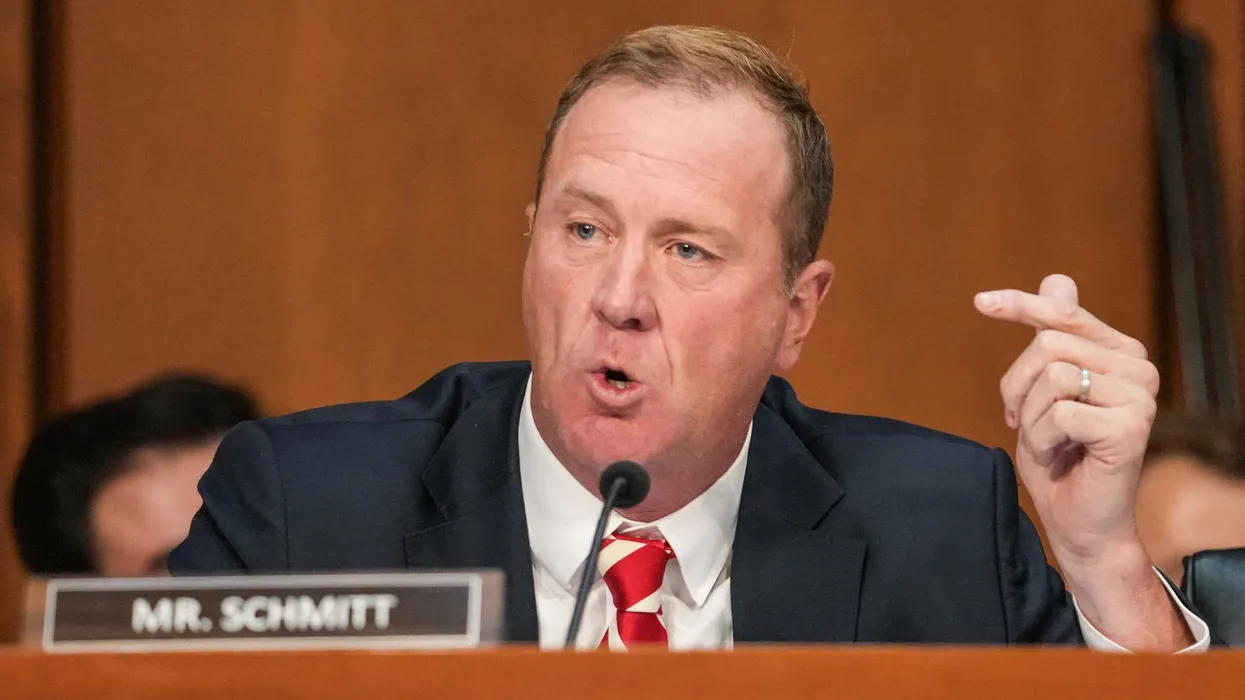
Congressional hearings are supposed to serve as vital tools to "educate the public," inform lawmakers, and hold corrupt leaders like Donald Trump to account, but they have instead been allowed to devolve into "a circus" with little value, two legal scholars argued Sunday in The Hill.
Writing for the outlet, legal scholar David Wippman and historian Glenn C. Altschuler contended that lawmakers in the Trump era have "used oversight hearings to generate publicity and criticize administration officials of the other party, while witnesses tout their policies and dodge difficult questions." In their view, the widespread expectation that hearings will carry no real consequences has done much to degrade them, and Congress has "lacked the will" to fix the problem. The stakes reach past political theater: courts have long recognized Congress's power to investigate as an essential part of its legislative function, and hearings are how lawmakers gather the facts needed to draft laws, vet nominees, and check the executive branch.
"These days, oversight hearings have degenerated into partisan brawls," Wippman and Altschuler wrote. "Confident they will not be disciplined by committee chairs from their own party, administration witnesses often launch personal attacks instead of answering legitimate questions."
They added: "Congress need not permit its hearings to turn into a circus. It has the power to control witnesses and compel testimony. But in today's hyperpartisan environment, it lacks the will."
The pair faulted lawmakers on both sides of the aisle for the state of affairs. They criticized Democrats for their handling of a recent Senate Judiciary Committee hearing featuring FBI Director Kash Patel — a panel whose oversight jurisdiction covers the Justice Department and the FBI itself — during which party leadership allowed members to spend much of their time attacking his lack of qualifications for the job and his involvement in "secret, insidious, and downright evil operations."
"Offensive questions and comments from some committee members, however, do not obviate administration officials' obligation to provide Congress with the information it needs to fulfill its legislative and oversight responsibilities," the pair explained. "But instead of directing Patel to respond appropriately to legitimate questions, [GOP Sen. Chuck] Grassley let the hearing run its course."
They added: "Congress bears some responsibility for this problem. Members deliver speeches disguised as questions, trade insults with witnesses, and grandstand for social media. Committee chairs tolerate evasive and insulting responses, despite repeated complaints from members of the other party. Under Trump, committee chairs appear to treat alignment with the administration as far more important than safeguarding Congress's institutional prerogatives and responsibilities."
According to the scholars, Congress could begin to "claw back" the power of these hearings if committee chairs were willing to "subpoena those who refuse to testify, direct witnesses to answer pertinent questions, and pursue contempt proceedings against uncooperative witnesses." They lamented, however, that with Republicans in control of both chambers of Congress, meaningful reforms appear "out of reach." For now, their argument leaves a concrete yardstick for future hearings: whether any chair is willing to deploy the enforcement tools already at their disposal.

