Kyiv Struck by Intense Missile Barrage Including Cluster Warheads in Apparent Escalation
Key Takeaways
- •Kyiv was struck by approximately 20 Russian Iskander-M ballistic missiles in one of the conflict's most intense attacks.
- •The assault used cluster warheads, which disperse submunitions over wide areas and are banned by a treaty ratified by more than 120 countries, though neither Russia nor Ukraine is a party.
- •The Iskander-M has a range of roughly 500 km and has been difficult for Ukrainian air defenses, including Western-supplied Patriot systems, to intercept.
- •Market pricing implies a 24% probability of a NATO-Russia military clash by December 31, 2026.
- •Observers are monitoring NATO and Russian responses, as further escalation or diplomacy could shift conflict-risk perceptions.
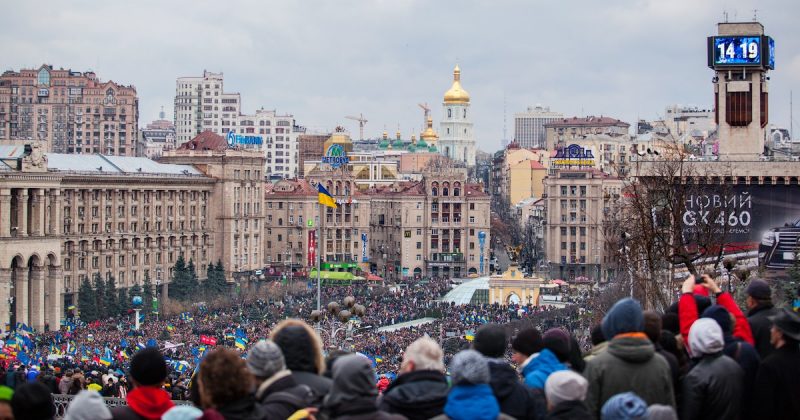
Kyiv experienced one of the most intense missile attacks of the ongoing conflict, with approximately 20 Iskander-M missiles striking the city. The assault included cluster warheads, marking a significant intensification in the type of munitions used, which could indicate an escalation in military aggression from Russia.
The Iskander-M is a Russian short-range ballistic missile system with a range of roughly 500 km, and it has been one of the harder weapons for Ukrainian air defenses to intercept due to its speed and maneuverable trajectory. Cluster warheads disperse submunitions over a wide area, and their use against populated urban centers has drawn international criticism: more than 120 countries are parties to the 2008 Convention on Cluster Munitions, which bans their use, though neither Russia nor Ukraine is a party to the treaty.
The development aligns with ongoing Russian military strategies targeting Ukrainian cities, part of a broader conflict that began with Russia's full-scale invasion in February 2022. Throughout the war, both sides have increasingly deployed longer-range strike weapons, and Ukraine has continued to receive Western air defense systems, including Patriot batteries, which Kyiv has relied on to blunt missile attacks on the capital. The use of cluster warheads may suggest a strategic shift toward maximizing area damage, potentially influencing geopolitical tensions.
Key Takeaways
- The attack on Kyiv appears to reflect a significant escalation in military tactics, with the use of cluster warheads suggesting increased aggression.
- Market pricing suggests a higher likelihood of a NATO-Russia military clash, with the December 31, 2026 sub-market showing a 24% YES probability.
- The use of high-intensity strike packages could indicate heightened military tensions, consistent with scenarios of increased conflict risk.
What to Watch
Observers will be monitoring reactions from NATO and Russia closely, as further escalation could impact market pricing. Any diplomatic engagements or escalatory military actions by key actors, such as Vladimir Putin or NATO leaders, could shift current odds. Developments in military strategies or diplomatic negotiations may provide further indications of potential conflict scenarios, influencing market perceptions of a possible NATO-Russia clash by the end of 2026.
