Nobel Economist Paul Krugman Warns Trump Has Set an Inflation 'Time Bomb' Amid Strait of Hormuz Crisis
Key Takeaways
- •Krugman said the Strait of Hormuz disruption is likely to keep oil prices elevated for the foreseeable future.
- •He argued that gasoline and diesel prices, not just crude oil, are driving the inflation impact.
- •Diesel prices have nearly returned to their early-war highs and are important for freight, agriculture, and construction.
- •The crack spread has widened by roughly $35 per barrel since the war began, bringing the total cost increase to about $60 per barrel.
- •Krugman warned that inflation is likely to rise again in next month’s data as fuel prices remain high.
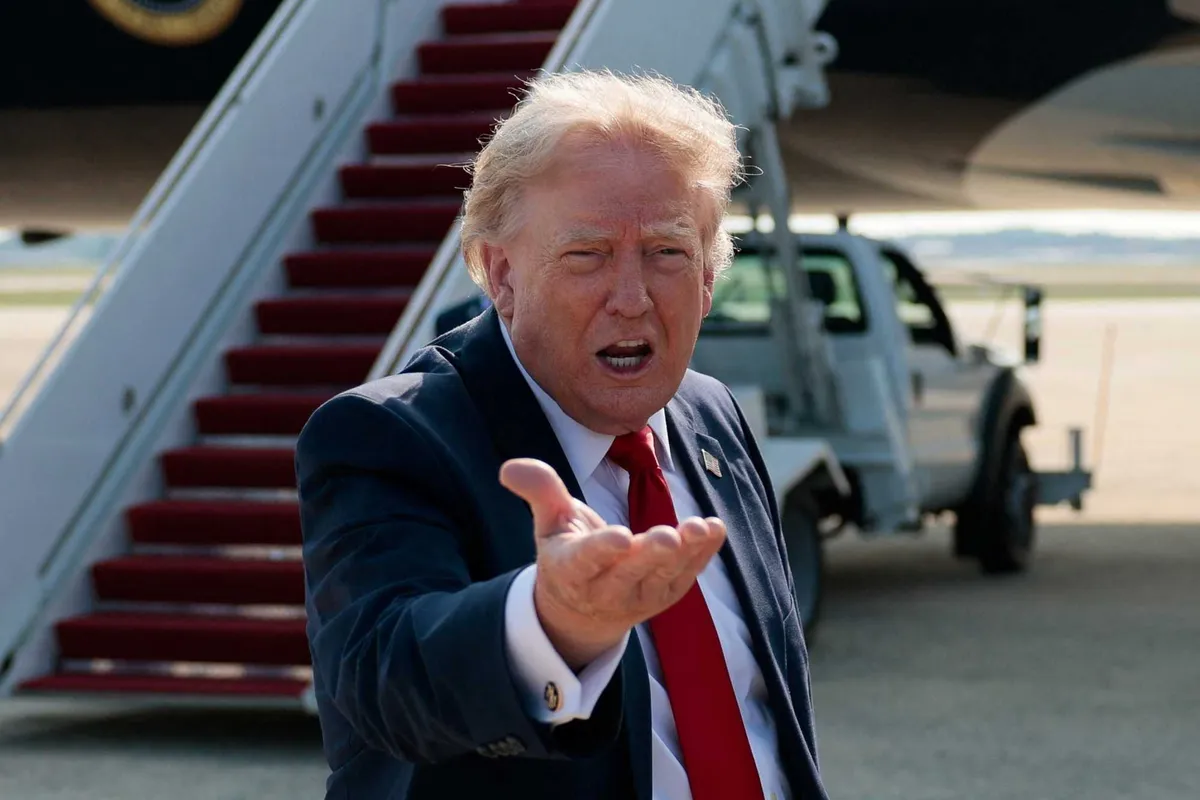
Nobel Prize-winning economist Paul Krugman warned on Thursday that President Donald Trump has set what he described as a ticking inflationary time bomb poised to detonate. While the most severe economic repercussions of the ongoing conflict with Iran have been somewhat contained so far, Krugman argued that indicators point to an imminent shift.
Krugman wrote that Trump "is not a well man" and that the country continues to bear the cost of his refusal to confront reality.
"He insists that he has 'total control over the Strait of Hormuz,'" Krugman noted, yet oil shipments through the vital waterway will remain negligible unless the president brokers a deal with Iran or finds an impractical alternative. The Strait of Hormuz is one of the world's most critical energy chokepoints, through which roughly a fifth of global oil consumption normally passes. According to Krugman, no such agreement is likely until Trump acknowledges the outcome of what he characterized as a war of choice. The closure of Hormuz, Krugman explained, means that oil prices — which had briefly retreated toward prewar levels on speculation of a diplomatic breakthrough — will stay elevated for the foreseeable future.
Many observers have been puzzled that oil prices are not even higher than they currently are. Prices, while still elevated, remain below their wartime peak. Even with a recent upward trend, crude sits approximately $25 above pre-war levels. Krugman contended, however, that the true cost increase is masked by looking solely at crude prices.
"Nobody burns crude oil directly," Krugman wrote. "Instead, they burn products refined from crude, mainly gasoline and diesel. And these prices, after falling for a while on fake news of peace, are back most of the way to their recent peaks."
Diesel prices, he noted, have nearly returned to their early-war highs. Diesel is the primary fuel for freight transportation, agriculture, and construction, meaning sustained increases feed directly into shipping costs and, in turn, the prices of a broad range of consumer goods.
Krugman pointed to the "crack spread" — the price difference between a barrel of crude and the refined products derived from it — as the key metric. Since the war's outset, this spread has "exploded," climbing by roughly $35 per barrel, outpacing the rise in crude costs themselves. The combined effect amounts to a total cost increase of approximately $60 per barrel, which Krugman said aligns with mid-range forecasts for a prolonged Hormuz closure.
According to Krugman, the crack spread widened because the Hormuz closure and the Russia-Ukraine war have together reduced global refining capacity. "The shortage of refining capacity has, in turn, held crude prices down," he wrote. "Buyers aren't willing to pay extremely high prices for crude oil they can't refine."
He offered an alternative framing: the disruption of oil shipments through the Strait of Hormuz effectively demanded a significant increase in global oil prices to ration demand, but much of that rationing has manifested through a widening crack spread rather than through higher crude prices alone.
The broader consequence, Krugman asserted, is resurgent inflation. While inflation has remained comparatively contained, he warned that it "is set to rise again in next month's data." He pointed to visible signs at the pump: "everyone can see that gasoline is back above $4 and diesel back above $5."

