GOP Lawmakers Sound Alarm Over Trump's Erratic Iran War Messaging as Midterms Approach
Key Takeaways
- •The United States has been at war with Iran for more than five and a half months since President Trump launched military operations on February 28, 2026, with no clear resolution in sight.
- •A Reuters/Ipsos poll found that only 35 percent of voters hold a favorable view of the Iran war, adding to Republican concerns ahead of the 2026 midterms.
- •Republican senators including Shelly Moore and John Cornyn have publicly criticized the conflict's prolonged duration and the president's lack of clear objectives.
- •President Trump's public statements on the war have been inconsistent, at times claiming it was already over and at other times suggesting it could last indefinitely.
- •Senate Republicans are receiving a surge of voter complaints about the conflict less than 100 days before November's midterm elections.
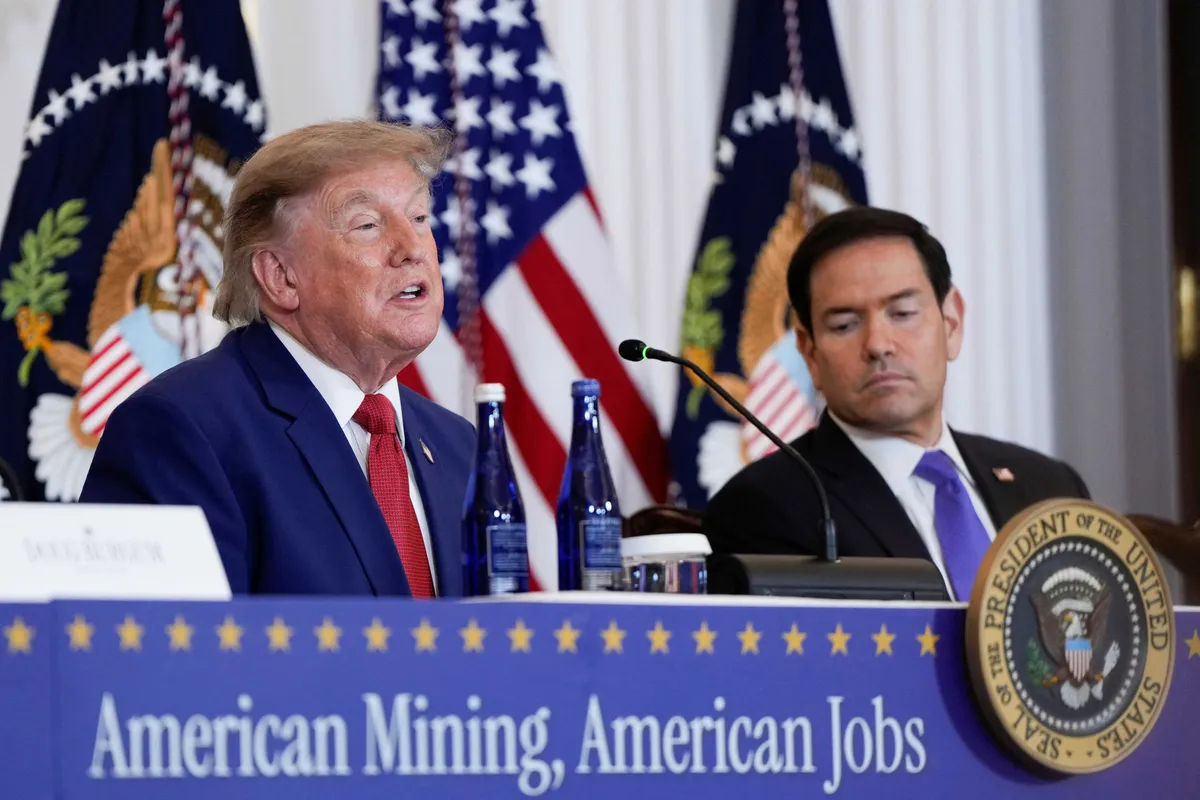
Across multiple polls, U.S. voters consistently rank the economy and the Iran war as their top concerns. According to the Daily Beast and NOTUS, Republican lawmakers are acutely aware of those anxieties — and a growing number are publicly warning about the conflict's prolonged duration. The dynamic carries echoes of previous cycles in which sustained military engagements weighed on the governing party, including the 2006 midterms, when dissatisfaction with the Iraq War contributed to Republican losses in both chambers of Congress.
When President Trump launched military operations against Iran on February 28, more interventionist Republicans had hoped for a swift campaign akin to Operation Desert Storm in early 1991, rather than a protracted engagement resembling the Vietnam War or the Iraq War. Instead, the United States remains at war with Iran more than five and a half months later, with no clear resolution in sight.
Senate Republican Policy Committee Chair Shelly Moore (R-West Virginia) is among the GOP lawmakers voicing concern. She told NOTUS, "We've done this before where we've had very elongated engagements. People don't want to see that. They don't want to see boots on the ground. They don't want to see our money going there. There's a fatigue factor, for sure."
Sen. John Cornyn (R-Texas) echoed that frustration. The outgoing senator, who lost a contentious GOP primary to Texas Attorney General Ken Paxton earlier this year, told NOTUS, "I wish the president were more clear about what his objectives are. This off again, on again (cadence) is creating some confusion in people's minds ... The enemy always gets a vote. That's the problem with providing timetables and deadlines in a military conflict."
A recent Reuters/Ipsos poll found that only 35 percent of voters hold a favorable view of the Iran war — the kind of polling data that has Republicans in Congress worried, with the 2026 midterms now less than three months away. The concern is compounded by the conflict's economic ripple effects: Iran sits along the Strait of Hormuz, through which roughly a fifth of the world's daily oil supply transits, and military engagements involving Iran have historically created uncertainty in global energy markets.
The Daily Beast's Will Neal reports that Senate Republicans are being inundated with voter complaints about the conflict. "Senate Republicans are getting swamped with voter complaints about Donald Trump's interminable war on Iran less than 100 days out from November's midterms," Neal writes. "Trump, now 80, launched the conflict on February 28, saying that it would last a matter of weeks. GOP senators spent the spring betting on a fast, contained campaign, and that its impact on pump prices would resolve well before the midterms. Half a year on, there is no end in sight."
Trump's public messaging on the war has been inconsistent, according to Neal's reporting. "He has, at times, said the war was already over, and at others, that it could last 'forever,'" Neal observes. "He has repeatedly insisted the conflict was necessary to prevent Iran from obtaining nuclear weapons, and then, in private, told aides he may well now walk away without securing non-proliferation guarantees."

