Krown Technologies to Launch BLOQ Talk, a Post-Quantum Encrypted Messenger for Web3 Communities
Key Takeaways
- •Krown Technologies will launch BLOQ Talk, a messaging platform that layers verification tools on top of encryption rather than relying on cryptographic protection alone, on October 1, 2026.
- •The platform's Cipher Lock architecture pairs NIST-standardized post-quantum algorithm ML-KEM-768 with classical X25519 in a hybrid handshake, uses ML-DSA-65 signatures for device identity, and encrypts stored messages with AES-256-GCM.
- •A Liveproof feature lets two trusted contacts establish a shared secret word or phrase to confirm authenticity during suspicious calls, countering AI-generated deepfakes and cloned voices.
- •BLOQ Talk blocks direct messages from strangers by default, and its BLOQ Shield system detects phishing links, impersonation attempts, suspicious domains, wallet-drainer patterns, and spam.
- •Users can build portable Trust Passports and BLOQ Scores, while community owners can gate entry based on verified identity, wallet or NFT ownership, invitation status, and other criteria.
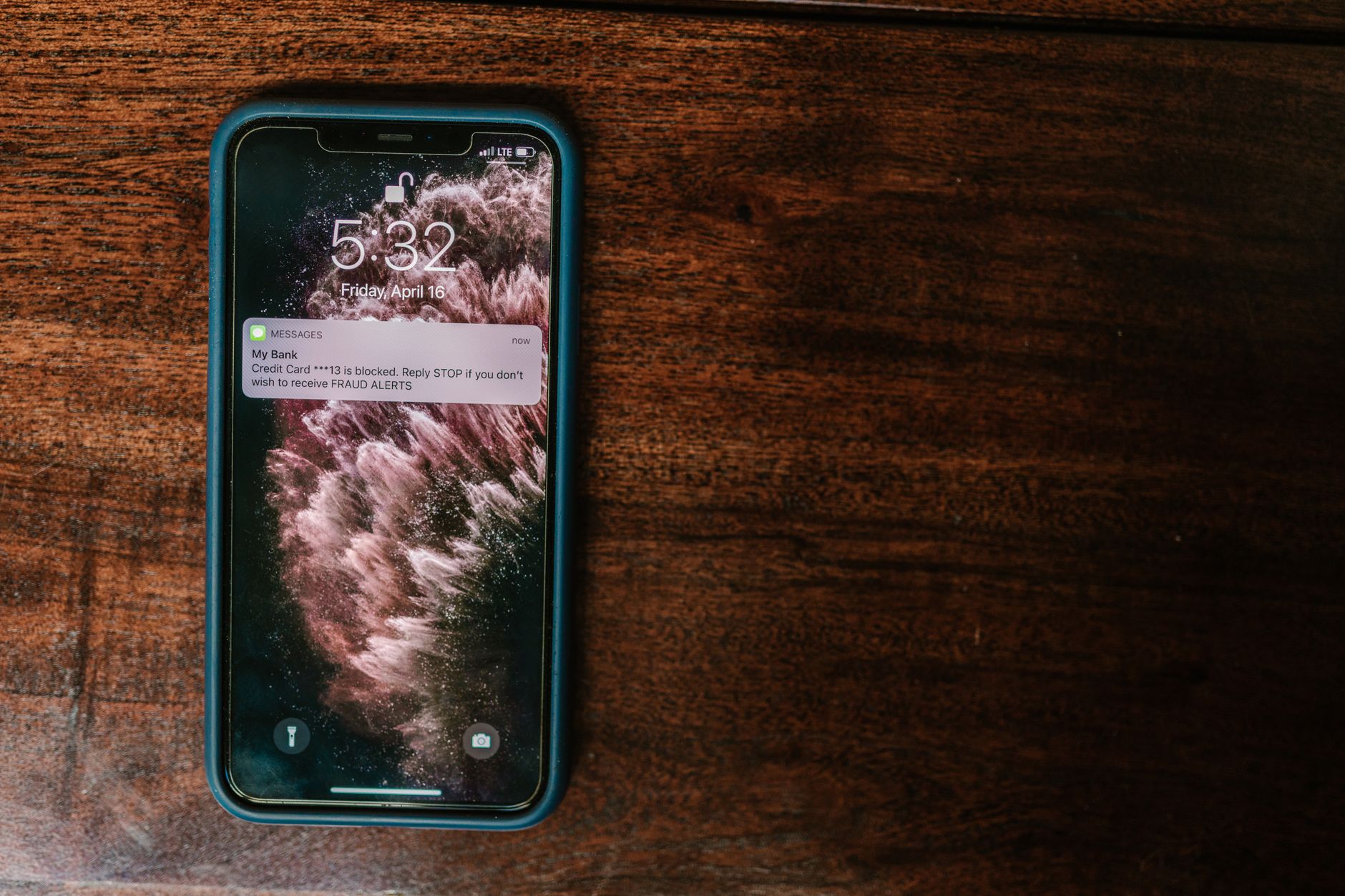
Krown Technologies is set to launch BLOQ Talk on October 1, 2026, a messaging platform built around what the company describes as a fundamental shift in the requirements of secure communication. Rather than relying on encryption alone, the platform layers verification tools on top of cryptographic protection. As Krown founder James Stephens explains, "encryption can protect what somebody says. It cannot, by itself, tell you whether the person saying it is real."
The launch timing reflects mounting risks across digital communication. Artificial intelligence, deepfake technology, digital asset theft, and impersonation attacks now threaten conversations in ways that traditional encryption cannot prevent on its own. BLOQ Talk's answer is to place trust mechanisms alongside cryptographic protection.
Post-Quantum Encryption as the Foundation
At the core of the platform is Cipher Lock, a post-quantum encryption architecture designed in from the start rather than bolted on later. The system pairs NIST-standardized ML-KEM-768 with the classical X25519 key exchange in what Krown terms a hybrid handshake, an approach intended to defend against both present-day cryptographic attacks and theoretical future threats posed by quantum computing.
Device identity relies on ML-DSA-65, a post-quantum digital signature scheme that, like ML-KEM-768, comes from the first set of post-quantum cryptography standards the U.S. National Institute of Standards and Technology finalized in 2024, while stored messages are protected with AES-256-GCM encryption. Krown's servers handle encrypted content and public cryptographic material but never hold the session keys required to read private conversations.
The design also incorporates what the company calls "cryptographic agility," meaning algorithms can evolve as standards advance without breaking existing conversations. The architecture specifically addresses so-called "harvest now, decrypt later" strategies, in which encrypted data collected today could theoretically be decrypted by more powerful future computers. Post-quantum protection narrows that exposure window—a concern for messaging in particular, since conversations sent today could remain sensitive for years.
Trust Beyond Encryption
BLOQ Talk treats encryption as necessary but insufficient, adding multiple verification layers intended to establish whether the person or community on the other end of a conversation is authentic.
One such layer is Liveproof. Two trusted contacts establish a secret verification word or phrase that exists only inside their encrypted relationship. If a call becomes suspicious—particularly one involving money, credentials, or sensitive requests—a user can demand that the other party provide their Liveproof verification. The mechanism is designed to counter AI-generated deepfakes and cloned voices by introducing a piece of shared human knowledge that is separate from publicly available content.
BLOQ Shield delivers always-on security and anti-abuse detection, identifying phishing links, impersonation attempts, suspicious domains, wallet-drainer patterns, and spam before they reach users. Community operators also receive AI-assisted moderation tools for detecting abuse at scale.
By default, strangers cannot message users directly. Unknown contacts must first pass through connection and trust controls, closing off a primary entry point for social-engineering attacks.
Portable Reputation and Gated Communities
Every BLOQ Talk user can build a Trust Passport, a portable record combining identity verification, account history, community standing, and other trust signals. A companion metric, the BLOQ Score, reflects account trust based on identity, behavior, contribution, and standing rather than simple popularity measures.
These scores become functional within communities. BLOQ Talk's configurable trust gates allow community owners to set entry requirements based on verified identity, BLOQ Score, invitation status, wallet ownership, NFT ownership, verifiedFT profile pictures, manual approval, or other criteria. Krown describes this as a fundamentally different model for Web3 communities that routinely contend with impersonators, bots, and fraudulent accounts.
The platform also supports encrypted one-to-one and group voice and video calling, live audio and video Rooms with speaker and listener roles, and AI-generated recaps for users who miss live conversations. Account recovery works through trusted guardians rather than requiring Krown to custody users' private encryption keys.
Web3 Features on the Same Trust Model
BLOQ Talk integrates blockchain verification without compromising security. Users can link wallets across supported networks and prove ownership through cryptographic signatures without surrendering private keys or seed phrases—a deliberate design point in an ecosystem where phishing attempts frequently hinge on extracting exactly those credentials. Verified NFT profile pictures, token-gated communities, and cryptocurrency tips all operate behind the same trust and security architecture used across the application.
Standard messaging features include private chats, group messaging, Stories, emoji reactions, GIFs, stickers, polls, disappearing messages, view-once media, voice notes, file sharing, and translation. A native @bloq Assistant handles conversation summaries, smart replies, and translation workflows.
Krown built BLOQ Talk mobile-first for iOS and Android, with complementary web functionality. Creator and community monetization tools include paid memberships, tips, ticketed events, and creator-oriented commerce, with a dedicated Creator Hub providing visibility into activity and earnings.
A Distinct Approach to Messaging
BLOQ Talk enters a market dominated by platforms built around reach, convenience, and network size. Krown is instead centering its approach on trusted communication, with differences the company describes as deliberate: post-quantum encryption rather than postponing quantum migration, connection requests rather than unrestricted cold messaging, verified identity rather than usernames alone, and human Liveproof checks rather than assuming a voice or face is genuine.
The company believes these distinctions become increasingly important as AI-generated identities, automated scams, and sophisticated social-engineering attacks converge with digital assets and decentralized communities. BLOQ Talk is designed around the principle that secure communication requires more than protecting the message—it requires helping users establish trust in the person, device, and community behind it. The October 1, 2026 launch will offer the first real-world look at how these mechanisms function in everyday use, and how Web3 communities respond to a messaging model that trades frictionless reach for verification.

