Kremlin Signals Openness to Trilateral Talks With US and Ukraine
Key Takeaways
- •The Kremlin signaled openness to trilateral talks with Ukraine and the United States, but no date, venue, or agenda has been set.
- •Earlier negotiations between Russia and Ukraine, including direct talks in Istanbul in mid-2025, achieved little beyond prisoner-of-war exchanges.
- •The United States, as the largest provider of military aid to Ukraine, holds significant leverage in any trilateral settlement discussions.
- •Market participants saw the development as a continuation of regional diplomatic efforts rather than a new escalation in hostilities.
- •Diplomatic signals in the conflict are closely monitored by energy and grain markets, given Russia's role as a major oil and gas exporter and both countries' importance as grain suppliers.
The Kremlin has signaled its willingness to engage in trilateral talks involving Ukraine and the United States, although no specific date or venue has been established. The announcement comes amid the ongoing conflict between Russia and Ukraine, which began in February 2022 and continues without a ceasefire in place. Previous rounds of negotiation between Moscow and Kyiv — most recently direct talks held in Istanbul in mid-2025 — produced limited outcomes, chiefly prisoner-of-war exchanges, leaving the broader territorial and security disputes unresolved.
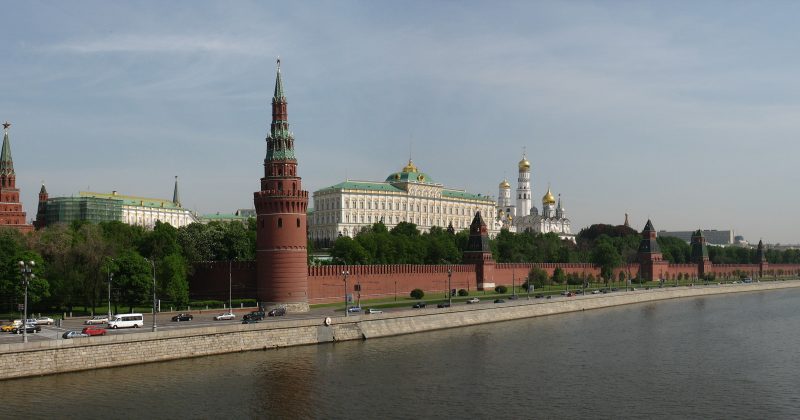
Dmitry Peskov serves as the Kremlin's press secretary and is the primary channel through which such statements on Russian foreign policy positions are typically communicated. The Kremlin is the official residence and working headquarters of the President of Russia in Moscow.
The indication of openness to diplomatic discussions could suggest a potential thaw in relations, though the absence of concrete details indicates the talks have not yet reached an operational stage. No framework, agenda, or participant list has been publicly confirmed. Trilateral formats that include Washington carry added significance because the United States has been the largest single provider of military aid to Ukraine since the war began, giving it substantial leverage over the terms of any settlement discussions.
Market participants appear to interpret the development as consistent with ongoing diplomatic efforts in the region, rather than as a new escalation in hostilities. Diplomatic signals in the Russia-Ukraine conflict have historically been watched closely by energy and grain markets, as Russia is a major oil and gas exporter and both Russia and Ukraine are leading grain suppliers, meaning any perceived progress or setback in talks can ripple into global commodity sentiment.
Key Takeaways
- The Kremlin's openness to trilateral talks appears consistent with ongoing diplomatic efforts in the region.
- The lack of specific details suggests the talks are not yet at an advanced stage.
- Market pricing reflects a potential, albeit limited, increase in the likelihood of diplomatic engagements.
What to Watch
Observers should monitor any announcements from the Kremlin or the White House regarding specific dates or venues for these talks, as such developments could indicate progression in diplomatic efforts. Additionally, movements in market pricing related to potential Trump-Putin meetings could provide further insight into the perceived likelihood of these diplomatic engagements. The geopolitical landscape remains fluid, and any shifts in military or diplomatic actions could significantly impact market expectations.
