Korean Finance Minister Resumes G20 Trip After Brief Cancellation Amid Cabinet Reshuffle
Key Takeaways
- •Finance Minister Koo Yun-cheol initially canceled his U.S. trip after learning of his pending replacement but departed as originally planned to attend the G20 meeting in Asheville, North Carolina.
- •President Lee Jae Myung nominated First Vice Minister Lee Hyoung-il as the new finance minister in a Cabinet reshuffle announced on Sunday.
- •Koo is expected to stay in office for about another month while his successor goes through National Assembly confirmation hearings and formal appointment.
- •Koo reversed his cancellation partly to avoid diplomatic discourtesy, as he had scheduled bilateral talks including one with U.S. Treasury Secretary Scott Bessent.
- •Koo had faced political pressure over real estate tax reforms, which drew criticism and were cited as a factor in declining approval ratings for President Lee.
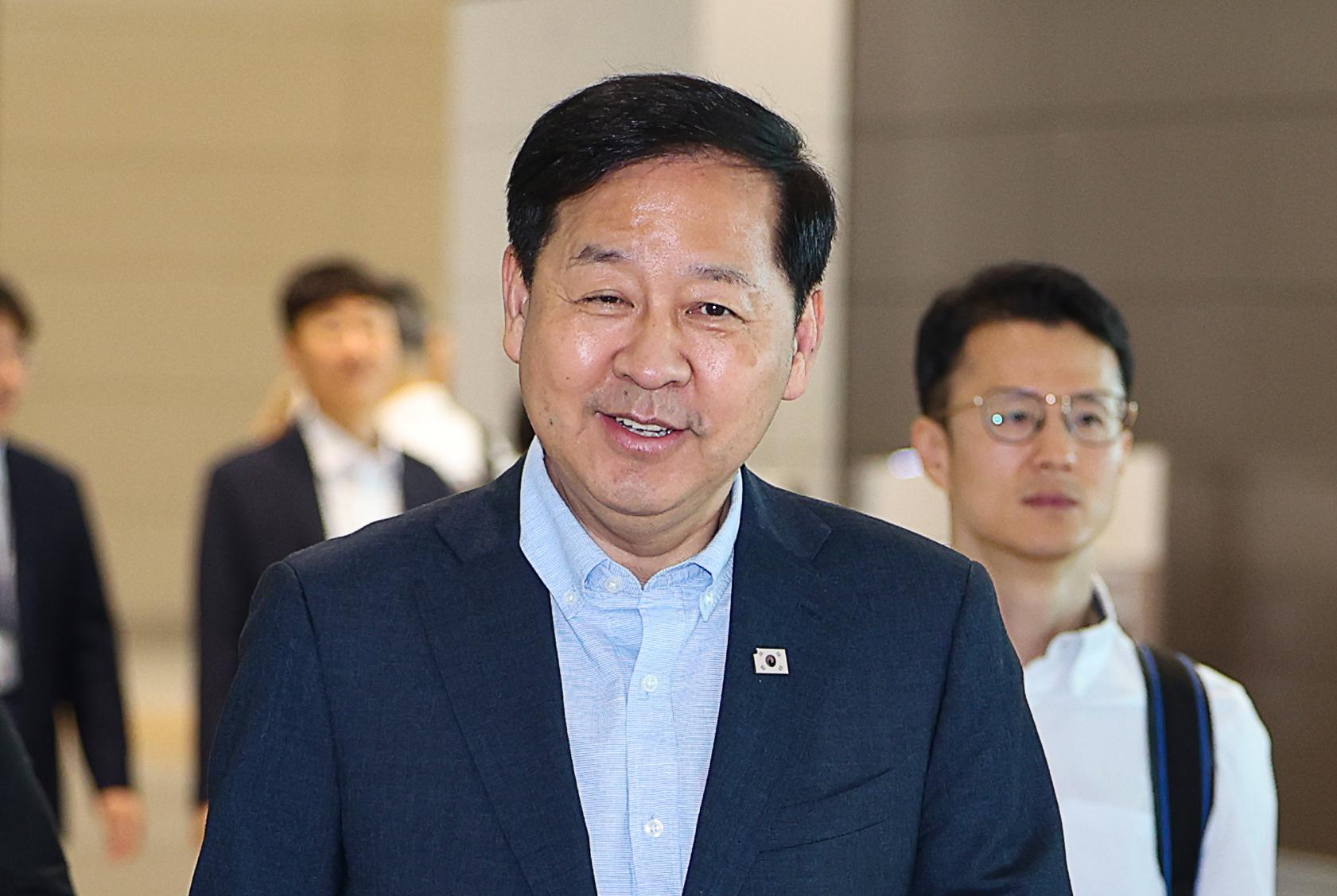
Finance Minister Koo Yun-cheol, who was included in President Lee Jae Myung's Cabinet reshuffle on Sunday, departed for the United States to attend a meeting of Group of 20 finance ministers and central bank governors as originally planned, after briefly canceling the trip, according to the Ministry of Finance and Economy.
"Koo departed as scheduled Sunday morning to attend the G20 gathering in Asheville, North Carolina, which runs Monday through Tuesday," a ministry official said.
Koo initially called off his U.S. trip after learning upon arriving at Incheon International Airport earlier in the day that he was set to be replaced in the Cabinet shuffle. Several hours later, the presidential office announced the Cabinet changes, with Lee nominating incumbent First Vice Minister Lee Hyoung-il as the new finance minister, among other appointments.
Koo, however, reversed his decision and opted to make the trip as planned, given that he is expected to remain in office for about another month while his successor goes through the parliamentary confirmation hearing and the formal appointment process. Under Korea's confirmation system, ministerial nominees face National Assembly hearings before formal appointment, meaning outgoing ministers typically continue to discharge duties during the transition period.
A further consideration was that Koo had already arranged bilateral talks with finance officials from several countries, including U.S. Treasury Secretary Scott Bessent. Abruptly scrapping those meetings could have been perceived as a diplomatic discourtesy. The bilateral schedule reflects the role G20 finance gatherings have played since the forum was elevated during the 2008 global financial crisis as a primary venue for coordinating policy responses among the world's largest economies.
During his trip, Koo is expected to underscore the strength of Korea's economic fundamentals and outline government efforts to bolster the country's long-term growth potential in addressing structural challenges. He will also share Seoul's position on pressing issues facing the global economy, including debt and economic imbalances.
Speculation that Cheong Wa Dae was preparing a Cabinet shuffle had been circulating since Lee accepted Jung Sung-ho's resignation as justice minister last week. Koo had also been viewed as a potential candidate for replacement, as he had faced political pressure in recent weeks over real estate tax reforms led by his ministry. The reforms have drawn criticism amid a broader debate over housing policy and have been cited in political circles as one factor behind a decline in Lee's approval ratings.
Nevertheless, the decision to call off his U.S. trip, even though the cancellation lasted only briefly, was both unexpected and highly unusual. The Ministry of Finance and Economy had already prepared a press release announcing his departure, only to withdraw it shortly before distribution. At the time, the ministry attributed the cancellation to a "change in schedule" and apologized for the short notice. The episode comes as Koo's successor, Lee Hyoung-il, will inherit a policy agenda that includes the contested real estate tax reforms as well as ongoing engagement with G20 partners on global economic issues.
Source: The Korea Times
