Why Korea Airports Corp. keeps appointing former police officials
Key Takeaways
- •Kim Won-joon, formerly chief of the Gyeonggi Nambu Provincial Police Agency, became KAC’s 14th president on Wednesday.
- •He is the fifth KAC president with a police background since the corporation was reorganized in 2002.
- •KAC operates 14 airports nationwide and posted an operating loss of 22.3 billion won last year.
- •The government decided not to immediately merge KAC with Incheon International Airport Corp. despite earlier restructuring discussions.
- •Kim said he will prioritize safety, overhaul management and aim for 1 trillion won in annual sales and a return to profitability.
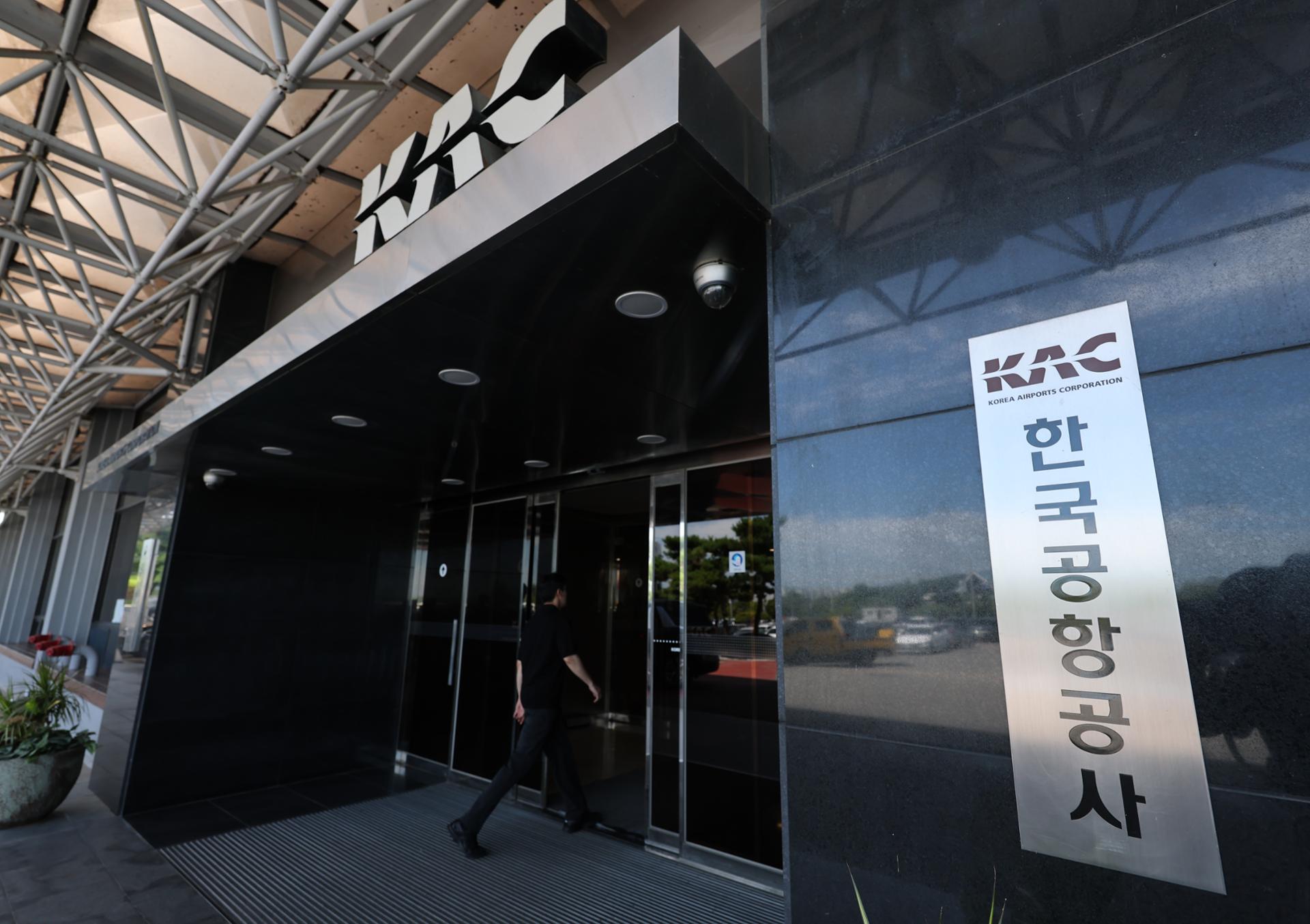
Korea Airports Corp. (KAC) has repeatedly turned to former police officials to lead the state-run airport operator, with security concerns often taking precedence over aviation and management expertise in the selection of its top executives, industry officials said Thursday.
The appointment of Kim Won-joon, former chief of the Gyeonggi Nambu Provincial Police Agency, as KAC's 14th president on Wednesday has revived questions over why the airport operator continues to favor security officials for its top job.
Kim is the fifth KAC president with a police background since the airport operator was reorganized into its current structure in 2002. A former military general and a former intelligence official have also served as KAC president.
An aviation industry official said the pattern stems largely from the special nature of airports.
“Airports are not simply places for aviation operations,” an official from the industry said. “They are facilities closely linked to national security, which is why police officials with expertise in security have frequently been selected as leaders for the organization.”
Airports are considered critical national infrastructure in Korea, with operations involving access control, counterterrorism measures, emergency response and protection against security threats.
These responsibilities have traditionally made senior police officials, particularly those with experience in large-scale organizations and crisis management, attractive candidates for KAC's leadership.
The pattern, however, has also fueled criticism that security expertise has been prioritized over aviation and business experience, especially as airport operators are now expected to balance safety with commercial performance.
The criticism is becoming more pointed as KAC faces mounting financial and structural challenges.
The corporation operates 14 airports across the country, including Gimpo International Airport and Jeju International Airport, but excluding Incheon International Airport. While some major airports generate profits, many regional airports continue to struggle with weak passenger demand and chronic losses. KAC recorded an operating loss of 22.3 billion won ($16.4 million) last year.
The company is also facing doubts over the sustainability of Korea's regional airport network.
Government officials and industry experts had discussed integrating KAC with Incheon International Airport Corp. and the Gadeokdo New Airport Construction Authority as part of a restructuring of state-run airport operators, though the government decided Thursday not to immediately merge the two airport operators.
Against this backdrop, critics argue that KAC needs a president with expertise not only in security and crisis management, but also in airport operations, profitability and long-term business strategy.
Kim, however, has pledged to address both sides of the challenge.
At his inauguration, he said safety would be the corporation's “absolute standard,” while promising to overhaul its management system and strengthen its financial structure.
He also set a target of generating 1 trillion won in annual sales and returning the company to profitability through expanded commercial facilities, tourism-related products and new growth initiatives.
His appointment comes as KAC seeks to recover from a prolonged leadership vacuum and navigate the aftermath of a Jeju Air crash in December 2024 at Muan International Airport, which killed 179 people on board. Police are also investigating the roles of KAC and other agencies in the disaster, underscoring the heightened scrutiny on airport safety management.
“With KAC under growing financial and operational pressure, the new leadership will face a test of whether security-oriented experience can translate into stronger airport management and sustainable growth,” another official from the industry said.

