Judge Rebukes Justice Department in New York Times Subpoena Fight
Key Takeaways
- •The New York Times asked the court to quash the subpoenas, saying they were issued in bad faith to harass and intimidate journalists.
- •The newspaper argued the government had not met the Gonzales standard for compelling a reporter’s confidential sources, including the requirement that the information be unavailable from other sources.
- •The Justice Department asked for the subpoenas to be held in abeyance for two weeks while it pursued additional investigative steps.
- •Judge Arun Subramanian pressed prosecutor Sean Buckley on whether the government would simply withdraw the subpoenas and criticized the government’s failure to meet the standard.
- •Buckley acknowledged the court was correct that the government must show the information is not obtainable elsewhere, while saying the government disputed any suggestion of bad faith.
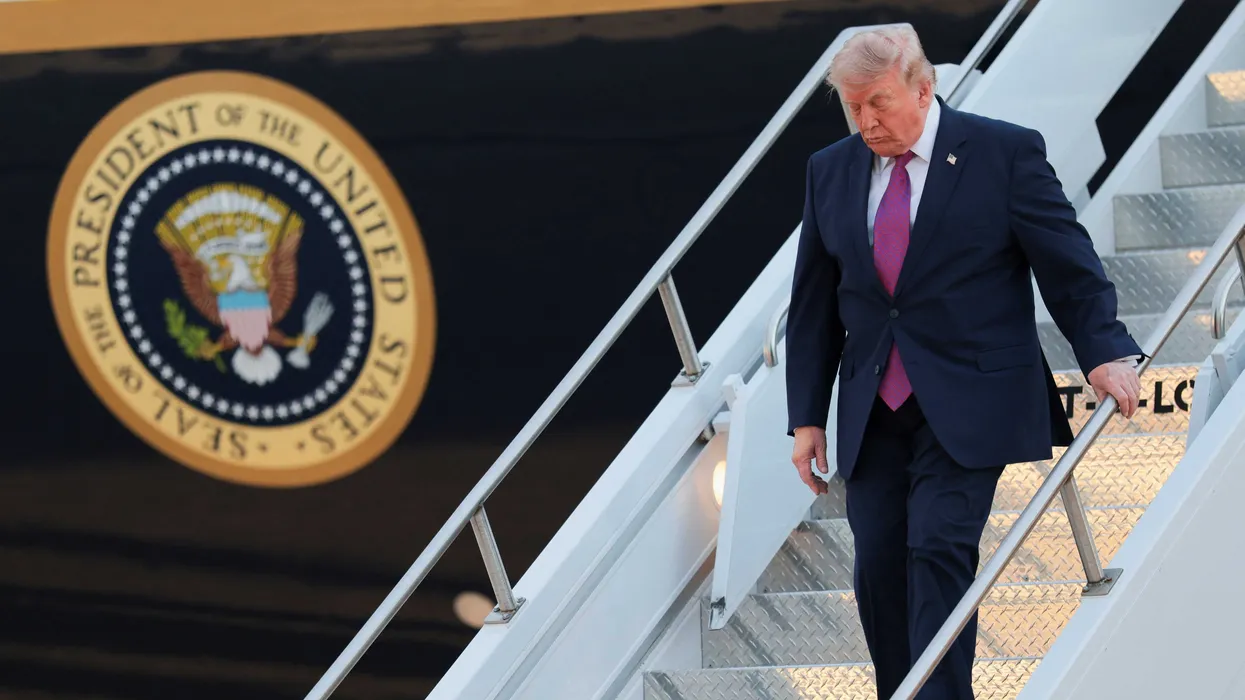
President Donald Trump’s subpoenas of The New York Times have drawn widespread criticism for potentially violating the First Amendment, to the point that prosecutors seeking the publication’s sources on weaknesses involving Trump’s Qatar-gifted jet have been threatened with losing their bar license. The dispute has also become a test of how far the Justice Department can go when trying to compel confidential reporting material, especially in a case involving a major newspaper and a recognized reporter’s privilege framework. Now, a recent report says the judge overseeing the case sharply rebuked a prosecutor trying to defend the subpoenas.
“The Times swiftly moved to quash the subpoenas, arguing that they were issued in a bad faith effort to harass and intimidate the journalists,” reported Lawfare's Anna Bower on Tuesday. “What’s more, the newspaper contended that the government hadn't come close to meeting the standard set out in New York Times v. Gonzales, the Second Circuit precedent establishing that prosecutors seeking a reporter's confidential sources must show, among other things, that the information can't be obtained by other means.”
Bower added, “The Justice Department, in response, didn't ask the court to deny the motion outright. Instead, it asked the court to hold the subpoenas in abeyance for two weeks while it pursued additional investigative steps—steps that, the government suggested, might bear on the scope of the subpoenas and on whether the Gonzales factors could ultimately be satisfied.”
She then described Judge Arun Subramanian, who criticized the government for failing to meet the Gonzales standard.
“Given that the government has asked to hold the subpoenas in abeyance while it pursues further investigative steps, is the government willing to just withdraw them?” Bower asked U.S. Attorney for the Southern District of New York Sean Buckley.
Buckley replied that the government believed the “appropriate measure” was to hold the subpoenas in abeyance while it took unspecified additional investigative steps. In other words, the government wanted enforcement of the subpoenas paused rather than withdrawn entirely.
Subramanian then reportedly cut in: “[Let me] stop you right there. So the answer to my question is 'no'?” After further back-and-forth with Buckley, the government conceded it could not meet that standard.
Subramanian then quoted from the Justice Department’s own filing, which stated that to overcome the qualified reporter’s privilege recognized in Gonzales, the government must show that the information it seeks is not obtainable from other sources.
“'You agree, right?'” the judge asked aloud. Buckley then acknowledged that Subramanian was correct, while adding that he believed the required steps had now been taken, even though they had not when the subpoenas were first issued.
“It’s the kind of admission that tends to end an argument before it starts, and Subramanian treats it that way,” Bower reported. “‘Seems like you've got two options,’ he says to Buckley. ‘Either we can quash the subpoenas or you could withdraw the subpoenas.’”
The judge was similarly dismissive of the government’s remaining position because of its failure on that central issue, underscoring that the dispute now turns less on broad claims about the investigation than on whether the subpoenas satisfy the legal standard for reaching a reporter’s sources.
“Asked if he has anything to add, Buckley allows himself one small act of defiance: the government disputes any suggestion of bad faith, he says. And that's where Buckley left it,” Bower reported.

