How to Choose High-Quality Architectural Hardware for Modern Construction Projects
Key Takeaways
- •Stainless steel is highlighted as the most durable common material because of its strong corrosion resistance, while brass and aluminum are also used for specific design or budget needs.
- •Hardware should be chosen based on actual load, wear, and environmental exposure, not just minimum manufacturer claims.
- •Fire-rated hardware and accessibility requirements must be confirmed against applicable building codes before installation.
- •A reliable supplier should offer consistent product quality, recognized certifications, technical support, and dependable delivery timelines.
- •Modern hardware trends include connected locks, sensor-based systems, minimalist finishes, sustainable materials, and touchless hardware.
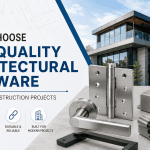
Architectural hardware rarely gets the attention it deserves in project planning, yet it plays a direct role in how a building performs. Components such as glass railing panels, door hardware, window fittings, real estate sign post systems, and other architectural accessories affect a structure’s safety, durability, functionality, and overall appearance. On modern construction projects, these details are sometimes finalized late and under budget pressure, which can lead to compromises that show up years later. Because these components are used every day and often exposed to repeated stress or weather, selecting the right hardware from the start improves long-term building performance and helps protect the property’s value over time.
Why Architectural Hardware Matters
Hardware malfunctions often begin with small problems, such as a jammed lock, a creaking hinge, or loose railings. These issues usually arise when hardware is not properly specified for its job. Correct specification improves safety and security by ensuring that doors, windows, and railings operate as required. It also improves durability by helping components withstand continued use and weather exposure without premature wear. In addition, hardware supports efficient operation and contributes to a building’s appearance, since finishes and fittings are among the first details people notice.
How to Choose High-Quality Architectural Hardware
The following factors help determine whether hardware will perform reliably over time.
Choose Durable Materials
Material selection forms the basis of durable hardware. Stainless steel is widely used because of its durability and high corrosion resistance, making it suitable for both indoor and outdoor applications. Brass is another option that offers a different appearance while remaining durable, especially for residential or historic designs. Aluminum is relatively lightweight and economical, although it does not match steel in strength under strain. In all cases, corrosion resistance is essential for hardware exposed to demanding conditions.
Evaluate Performance and Quality
Material alone does not determine how hardware will perform. Load capacity must match the actual weight and stress a component will face, not just a manufacturer’s stated minimum. Wear resistance is especially important for hardware that sees frequent contact or movement, such as handles, hinges, and railing joints. Smooth operation should hold up over years of use, not just at installation. Products backed by independent testing and recognized certifications provide a stronger guarantee of quality than those relying only on manufacturer claims.
Match Hardware to Project Requirements
The hardware required for residential and commercial construction is not the same. Commercial buildings typically experience heavier daily traffic, so hardware used in entrance areas, stairs, and other high-use locations must be designed for heavy service. Environmental factors also matter: hardware exposed to sunlight, rain, or sea air needs a different specification from hardware used indoors. Compatibility with the project’s design is another important consideration.
Prioritize Safety and Compliance
Some requirements are mandatory. Fire-rated hardware is required on specific doors and exits under applicable codes, and there is no acceptable substitute where it applies. Accessibility is now treated as a baseline expectation on most projects rather than an added feature. Compliance with relevant building standards should be confirmed for each type of hardware before installation, because requirements can vary by jurisdiction and by the intended use of the building.
Consider Maintenance and Finish
Finish affects both appearance and long-term upkeep. Easy-to-clean finishes reduce ongoing maintenance work, while scratch-resistant finishes help hardware retain its appearance after years of use. Choosing the lowest-cost option upfront often results in a shorter service life. Hardware with a higher initial cost but a longer lifespan frequently proves less expensive once the full lifecycle cost is considered.
Selecting the Right Architectural Hardware Supplier
The supplier behind a hardware product influences its quality as much as the specification itself. Manufacturers with established industry experience and manufacturing expertise tend to deliver more consistent results across projects. Product quality and consistency matter because variation between orders can create complications during installation and future maintenance. Certifications and documented quality assurance processes indicate that consistency is built into the manufacturing process rather than left to chance. A broad range of architectural hardware products reduces the need to source from multiple suppliers on a single project, and reliable technical support and delivery timelines are also important.
Companies such as Everoll Industries Ltd, based in Mississauga, illustrate the value of working with established manufacturers that emphasize quality standards, durable materials, and a comprehensive range of architectural hardware solutions. Everoll offers a wide range of products, including glass railing panels, stainless steel railing hardware, fence fittings, aluminum railing components, real estate sign posts, motion sensor solar lights, deck parts, and other building hardware, along with customized parts made from materials such as aluminum, iron and steel, and plastic. When evaluating suppliers, it is worth reviewing their industry experience, product reliability, and ability to meet project-specific requirements rather than relying on a standard catalogue alone. More information is available on the company’s official website.
Trends Shaping Modern Construction Hardware
Several developments continue to shape hardware choices on residential and commercial projects. Smart hardware, including connected locks and sensor-based systems, is becoming more common across both sectors. Minimalist finishes are increasingly specified as architects favor simpler, cleaner detailing. Sustainable materials are playing a larger role in procurement decisions than in previous years, and touchless hardware, once limited to select commercial applications, has become a standard feature in many settings.
Glass railing panels remain a popular choice for their appearance and sightlines. Exterior infrastructure elements, such as real estate sign post systems used for property identification and marketing, also depend on durable, weather-resistant hardware designed for long-term outdoor performance.
Conclusion
Architectural hardware plays a lasting role in a building’s safety, durability, and appearance. Material selection, tested performance, code compliance, and finish quality all affect how well hardware holds up over time. The reliability of the supplier behind these products matters just as much as the specification itself. Getting both right results in hardware that continues to perform well long after a project is complete, supporting the building’s value for years to come.
Frequently Asked Questions
What is architectural hardware?
Architectural hardware refers to the functional and decorative components used in a building’s construction, including door hardware, window fittings, glass railing panels, fence fittings, and real estate sign post systems. These parts affect a building’s safety, durability, and appearance.
What material is best for architectural hardware?
Stainless steel is generally the most durable option because of its corrosion resistance, making it suitable for both indoor and outdoor applications. Brass and aluminum are also common choices, depending on a project’s aesthetic goals and budget.
Are glass railing panels considered architectural hardware?
Yes. Glass railing panels, along with their supporting brackets and fittings, fall under architectural hardware and require the same attention to material quality, load capacity, and finish durability as other hardware components.
Does outdoor hardware, such as a real estate sign post, need a different specification than indoor hardware?
Yes. Outdoor hardware, including real estate sign post systems, needs to be weather-resistant and corrosion-resistant to withstand ongoing exposure to sun, rain, and temperature changes, which indoor hardware does not typically face.
How do I choose a reliable architectural hardware supplier?
Look for a manufacturer with established industry experience, consistent product quality, relevant certifications, a broad product range, and dependable technical support and delivery timelines.
The post How to Choose High-Quality Architectural Hardware for Modern Construction Projects appeared first on citybuzz.

