Joy Reid Says MSNBC Fired Her Weeks After Contract Renewal, Questions Executives' Motives
Key Takeaways
- •Joy-Ann Reid says MSNBC renewed her contract at the end of 2024, but only for one year rather than the multi-year agreements she had received in the past.
- •Her dismissal came shortly after her show won an NAACP Image Award and despite friendly exchanges with incoming network president Rebecca Kutler, who took over after Rashida Jones departed.
- •Unlike previous cancellations of her programs, MSNBC this time eliminated Reid's entire production staff along with her role at the network.
- •Reid suggested the decision may have been shaped by executives' personal beliefs and frustration over her coverage of the war in Gaza and President Trump, though the HR complaints she acknowledged were filed anonymously.
- •Reid said the termination was delivered by phone in a tone she described as "weird" and "robotic," roughly two weeks after amicable conversations with Kutler.
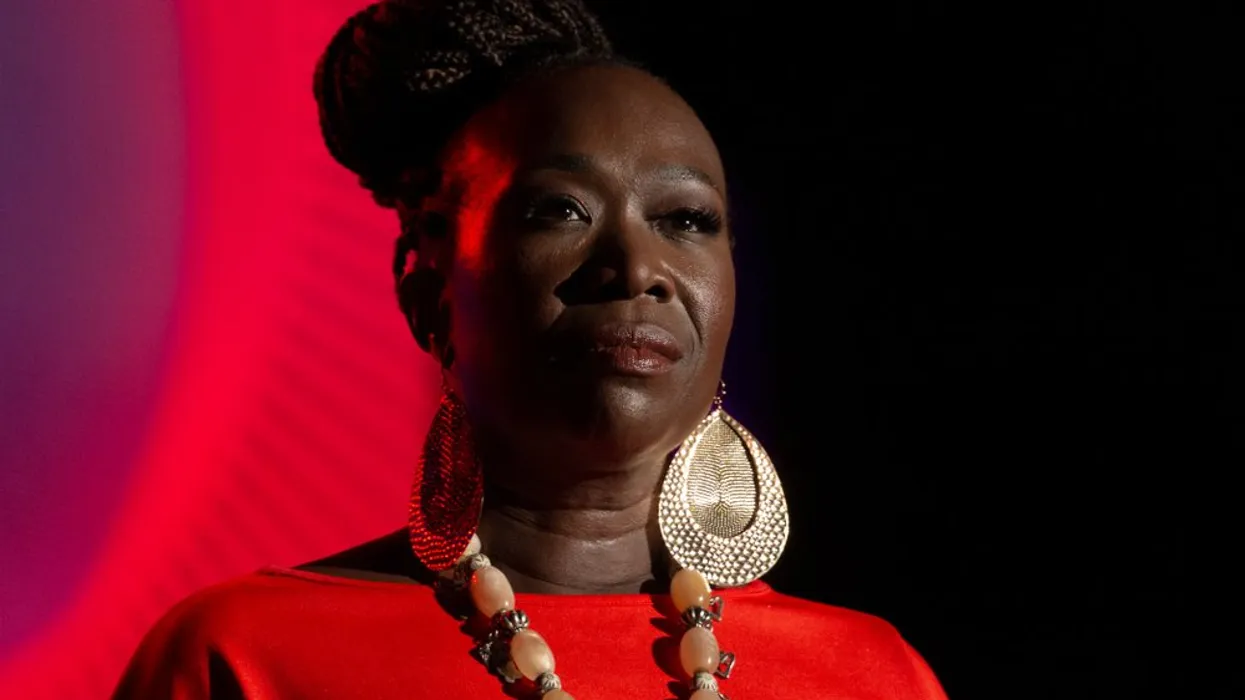
Joy-Ann Reid is speaking publicly about what she believes led to her abrupt dismissal from MSNBC, describing the decision as a shock — particularly because the network had renewed her contract only weeks earlier, despite lingering tensions over her coverage of the war in Gaza and President Donald Trump. Reid said she had interpreted the renewal as a sign that she had more time at the network, even if executives were not entirely pleased with her reporting. Her account arrives amid a leadership transition at the network, and it puts a spotlight on decisions she believes reach beyond her own contract — to her staff and to the network's broader editorial direction.
“I had literally just had my contract renewed, so typically, if you do not want to hang on to a show, you don’t renew the person. You simply say, ‘We thank you for your time with us. We won’t be renewing you.’ But I had literally just gotten renewed at the end of 2024, at the end of the year,” Reid said during a recent appearance on Forward by Charles M. Blow.
According to Reid, the renewal followed a period of negotiation. Her agent advised that the network appeared willing to commit to only a one-year deal, a departure from the multi-year renewals of the past. “So we were like, ‘They only want to do one year. That’s fine. We’ll just do the one year. We’ll keep it moving. We’ll figure it out after that if we’re going to be here,’” she recounted. Reid acknowledged that she and her team knew executives “were not super thrilled” about some of her coverage of Gaza and Trump — a friction point that had also played out on social media. Still, the renewal prompted relief: “They renewed. And once they renewed, we took a sigh of relief.”
That relief proved short-lived. “We renewed, and then the show won the NAACP Image Award. So now we’re in January, and all of our communications with management were congratulatory,” Reid said. Around the same time, Rashida Jones announced her departure from the network, and Rebecca Kutler was installed as the new president. Reid said the promotion did not surprise her, noting that she and some others at the network suspected Kutler was being positioned for the role. In senior meetings, Reid said, Jones was asked by staff and talent whether she was staying, and declined to give a direct answer.
Two weeks before her firing, Reid said, she had friendly conversations with Kutler, joked about redecorating her new office, and planned to take her to lunch — which made the termination all the more startling. “Our communications went from ‘Congratulations on winning the NAACP Image Award’ to ‘We won’t be renewing your contract,’” she explained, adding that the decision was delivered by phone in a tone she described as “weird” and “robotic.”
In the period before her dismissal, Reid received a call from a colleague warning that rumors were circulating that both she and the colleague would be let go. She initially dismissed the warning because her contract had already been renewed. Her concern grew, however, when a member of her own team raised the same rumors, and again after she saw them mentioned in a Substack post.
Reid also questioned whether her firing was driven by more than routine programming changes, suggesting that the personal beliefs and political leanings of network executives may have played a role in decisions about which journalists and perspectives were allowed to remain. She found the decision to eliminate her entire show's staff especially unusual. In previous instances when MSNBC canceled her programs, the network kept her on for special projects before eventually giving her another show, and members of her production team were also retained between assignments. This time, however, both she and her staff were let go — leading her to question whether the decision reflected a broader shift in the network's tolerance for certain viewpoints and coverage.
A former colleague told Reid that her coverage of the war in Gaza had upset network executives and the new management. Reid acknowledged that complaints about her reporting had been filed with HR, but said they came from anonymous sources. With those complaints anonymous and the fuller backstory of the decision laid out only in Reid's telling, whether her firing was a routine programming call or something more remains an open question — one that now sits over the start of Kutler's tenure as network president.

