John Deaton on Becoming 'The XRP Ripple Lawyer' and How 75,000 Holders From 143 Countries Joined His Case
Key Takeaways
- •John Deaton built a legal coalition representing 75,000 XRP holders across 143 countries after filing a single motion inspired by his daughter's independent investment in the token.
- •Deaton's central legal argument hinged on the Howey test, asserting that retail XRP buyers did not purchase the token based on reliance of Ripple's efforts or executives.
- •Judge Analisa Torres directly cited Deaton's amicus brief and holder affidavits in her July 2023 ruling that programmatic XRP sales on public exchanges were not securities offerings.
- •The split ruling was one of the first instances where a federal court distinguished between a token sold to retail buyers on secondary markets and the underlying investment contract.
- •Deaton denies any prior coordination or funding from Ripple, stating his motivation stemmed from frustration over the government's unprecedented legal theory of treating the token itself as a security.
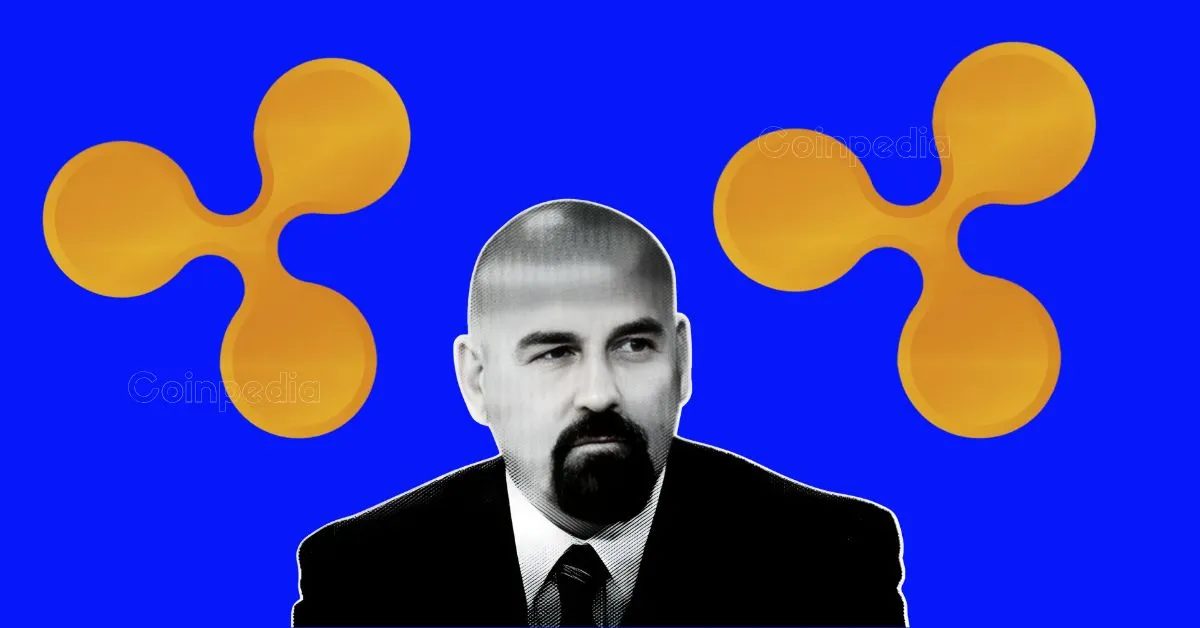
John Deaton may have run for the U.S. Senate against Elizabeth Warren in 2024 — a race he ultimately lost — but he is far more widely recognized for a different role altogether: the attorney who represented tens of thousands of XRP holders in the SEC's landmark case against Ripple.
Deaton says his journey into the world of digital assets followed a familiar trajectory: it started with Bitcoin, then gradually expanded into other cryptocurrencies. He ultimately held Bitcoin, Ethereum, and XRP, drawn to XRP in particular by the speed of its transaction settlements. "It showed up in three seconds," he recalled, describing his reaction the first time he sent the token.
A Personal Catalyst
The events that propelled Deaton into legal advocacy began within his own family. When his daughter turned 18, he gave her $15,000 in accumulated birthday money. She independently chose to invest it across three assets — allocating $10,000 to Bitcoin, $2,500 to Ethereum, and $2,500 to XRP — relying entirely on her own judgment.
When the U.S. Securities and Exchange Commission sued Ripple in December 2020 and asserted that XRP itself was an unregistered security, Deaton says his thoughts turned immediately to retail investors like his daughter.
"My daughter never heard of Brad Garlinghouse," he said. "She wouldn't have any idea. She didn't buy XRP because she was relying on the efforts of Ripple."
That distinction — between purchasing a token and relying on the efforts of a specific company or its executives — became the bedrock of Deaton's legal argument. It spoke directly to the Howey test, the framework courts have used since a 1946 Supreme Court case to determine whether an asset qualifies as an investment contract, which hinges on whether investors expect profits derived primarily from the efforts of others. Deaton filed a motion on behalf of everyday XRP holders who had no direct relationship with Ripple whatsoever.
75,000 Holders Across 143 Nations
What began as a single filing expanded into a legal coalition representing 75,000 XRP holders spread across 143 countries. The supporters included individuals from Ukraine and Russia — two nations actively at war with one another — yet both were represented among the case's backers.
Deaton says he never communicated directly with Ripple CEO Brad Garlinghouse prior to filing, and some in the cryptocurrency community initially assumed Ripple was bankrolling his efforts. "No lawyer would do this for free," he recalled skeptics saying, though he maintains that was never the situation.
His motivation, he explains, was rooted in a straightforward frustration: the government was advancing a legal theory it had never previously pursued — treating the token itself as a security rather than focusing on the investment contracts tied to its sale. The case unfolded against a backdrop of escalating SEC enforcement actions against major crypto firms, making the outcome one of the most closely watched legal battles in the digital asset industry's history.
A Ruling That Cited His Work
The amicus brief ultimately became part of the official legal record. In July 2023, Judge Analisa Torres directly cited the brief and accompanying affidavits from XRP holders in her ruling, which determined that programmatic sales of XRP on public exchanges did not constitute securities offerings — though institutional sales by Ripple were treated differently. The split ruling was among the most consequential regulatory decisions for the crypto sector, as it marked one of the few instances where a federal court distinguished between a token sold to retail buyers on secondary markets and the underlying investment contract.
Deaton says the case is now taught in law schools as an example of decentralized legal advocacy, and he remains proud of what one filing was able to set in motion.
"One person inspires a few people, inspires thousands of people, and you can make a difference," he said.

