Lord Jim O'Neill turns down role in Andy Burnham's government, citing private-sector interests
Key Takeaways
- •Lord Jim O'Neill has turned down a formal position in Andy Burnham's government after previously serving as an informal adviser.
- •O'Neill said he did not want to put his assets into a blind trust and wanted to retain control of his investments.
- •He stated that his decision was not based on policy disputes and said he supports Burnham's devolution agenda.
- •His refusal comes as Burnham seeks to build credibility with markets and business leaders ahead of the Budget.
- •Other economists linked to Burnham's team have also not taken official roles, while some advisers have left Number 10 and related economic posts.
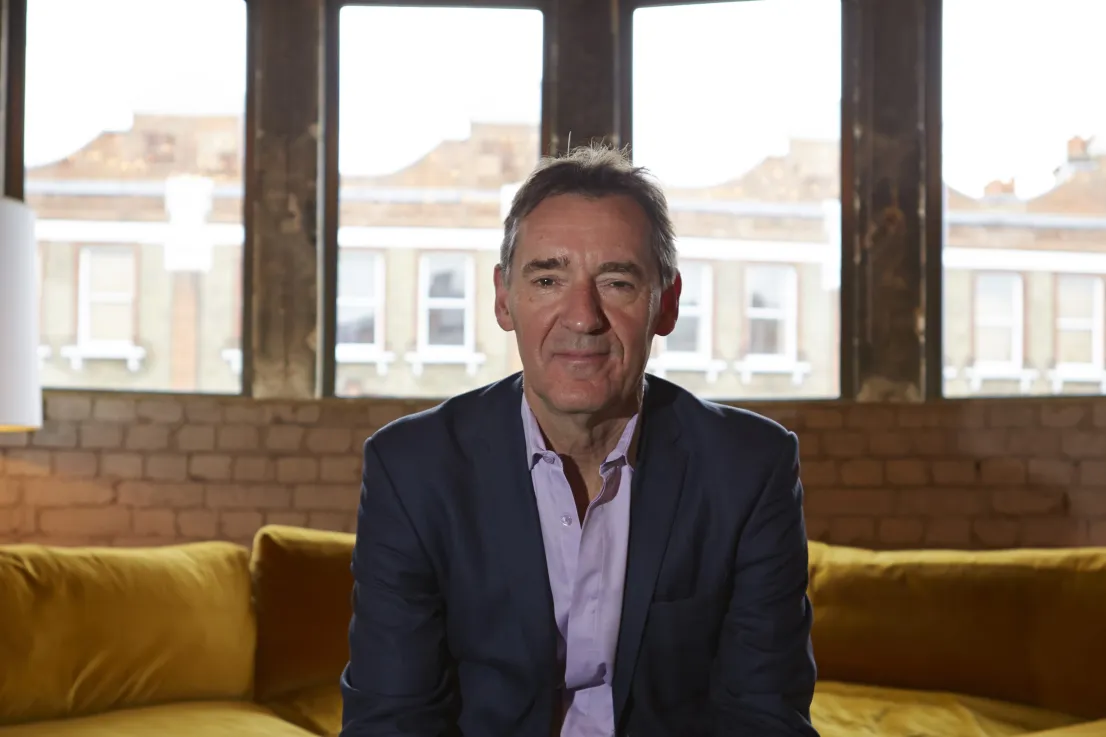
Former Goldman Sachs executive and former Conservative Treasury minister Lord Jim O'Neill — best known for coining the "BRIC" acronym to describe the emerging economies of Brazil, Russia, India and China — has turned down a role in Andy Burnham's government, dealing a setback to the Prime Minister as he seeks to court business ahead of the Budget.
O'Neill served as an informal economic adviser to Burnham before his election as Labour leader and had been in talks over a key economic role in the new government, as City AM was the first to report. It has now been confirmed that he has rejected a formal position.
The decision stems from his desire to retain control of his own investments rather than from any bust-up over policy, City AM understands.
O'Neill told the Financial Times on Friday that he enjoys his current private-sector roles "too much", adding that he did not want to place his assets in a blind trust while serving in an official role. Ministers are expected under the Ministerial Code to keep their private interests out of conflict with their public duties, with blind trusts one of the standard mechanisms used to achieve that.
"It's not because of any policy disagreements. I'm a massive fan of the focus on devolution and I hope Andy and his team will be bold on this and everything else," O'Neill said. His support for devolution is long-standing: as Commercial Secretary to the Treasury under David Cameron, he chaired work on the Northern Powerhouse agenda and stood down from the post in 2016 after voicing frustration at the pace of the government's commitment to the project.
The economist's refusal will strike a blow to Burnham as the Prime Minister looks to win round business and investors. O'Neill was one of three heavyweight advisers reported to be advising Burnham shortly before he was elected as an MP for Makerfield. The other two economists, former Office for Budget Responsibility chair Richard Hughes and ex-Bank of England chief economist Richard Hughes, have also not joined Burnham's team in any official capacity, City AM reported earlier this month.
Former Bank of England deputy governor Minouche Shafik has also left Number 10 as an economics adviser, leaving a hole in economic expertise around Burnham and Chancellor John Healey's advisory teams. Other key economists, John van Reenen and Anna Valero, who were part of an economics council advising Rachel Reeves, no longer hold roles in government. Neil Amin-Smith, a former adviser to Reeves in the Treasury, has been kept on as an economic adviser to Burnham, it has been widely reported.
Burnham 'needs economic expertise'
One Labour source told City AM that they feared Burnham still needs key economic hires in his teams to maintain credibility with markets and businesses.
Budget preparations are already well underway, with a two-month run-in set to put John Healey under pressure as the Iran war drags on, growth slows down and interest rate hike fears intensify.
Several economists have said that while the £22.7bn fiscal headroom is likely to have eroded since March, Healey does not need to raise taxes to keep public finances afloat. However, with a raft of spending measures on the cost of living and calls for a hike in defence expenditure, taxes could still be raised to fund them.
