Jeonbuk National University Selected for Government-Backed Robotics Graduate School Project
Key Takeaways
- •Jeonbuk National University's robotics graduate school was designated a specialized graduate school for national strategic advanced industries by the Ministry of Trade, Industry and Energy.
- •The program will receive 15 billion won ($10.9 million) in government funding over five years.
- •The university will enroll 45 students annually starting with the 2026 class, aiming to train 120 master's- and doctoral-level robotics specialists over five years.
- •The curriculum covers three tracks: robot perception and edge AI; robot control and system integration; and intelligent agri-bio and field robotics.
- •Thirteen faculty members from electronic engineering and bio-industrial machinery engineering will participate, with industry-academia collaboration projects as a core component.
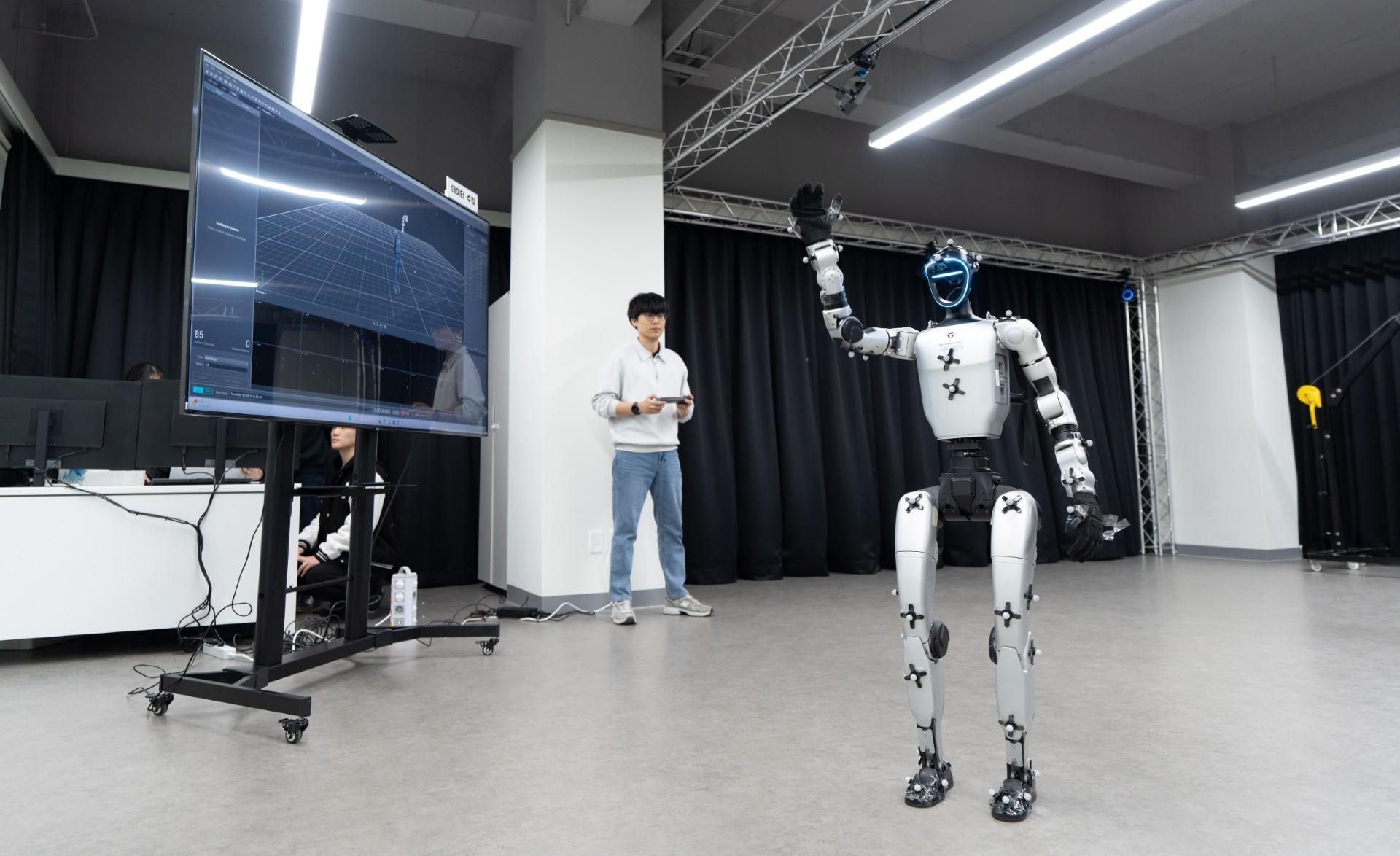
University to emerge as hub for training physical AI professionals
Jeonbuk National University has been selected for the government-funded Support Program for Specialized Graduate Schools in Advanced Industries. The university said Tuesday that the Ministry of Trade, Industry and Energy designated its Specialized Graduate School for Robotics as a specialized graduate school for national strategic advanced industries on Monday.
The designation comes as South Korea has made robotics a national strategic industry, with the government pushing to expand intelligent robots across manufacturing, agriculture and services as the country confronts a shrinking workforce and one of the world's lowest birth rates. The specialized graduate school will be operated primarily through the Department of Advanced Robotics under the university's Graduate School.
Under the program, the university will receive 15 billion won ($10.9 million) in government funding over the next five years. According to the university, the funding will be used to foster master's- and doctoral-level professionals who will lead the fields of manufacturing robots and artificial intelligence (AI), and to establish a robotics industry innovation hub linked to the region's advanced manufacturing and mobility industries. North Jeolla Province, where the university is located, has been developing advanced manufacturing and mobility industries, including the Saemangeum national project area, which the government has promoted as a site for future industries.
"This selection recognizes the university's accumulated capabilities in education and research in robotics and AI," said Park Jae-byung, a professor in the division of electronic engineering, who heads the project. "We will train specialists in physical AI and robotics who can address real-world manufacturing challenges faced by companies and establish an industry-academia cooperation system linking education, research, demonstration and employment."
Park said the program will help the university and North Jeolla Province grow into a key hub for talent development and technological innovation in Korea's advanced robotics industry.
The university noted that the Department of Advanced Robotics and the Robotics Innovation and Talent Development Center will play a leading role in setting up a development system for training specialists. A total of 13 faculty members from the division of electronic engineering, the lead department, and the participating department of bio-industrial machinery engineering will take part in the project.
The university will recruit 45 students each year, starting with the incoming 2026 class, with the goal of training 120 master's- and doctoral-level robotics specialists during the five-year project period.
The curriculum consists of three specialized tracks: robot perception and edge AI; robot control and system integration; and intelligent agri-bio and field robotics. The program focuses on the core technologies needed for manufacturing automation, including robot perception and autonomous intelligence, intelligent control, and the integration of robot hardware and software. It will also expand the application of these technologies to a wide range of industries, including agriculture and life sciences, as well as unstructured work environments.
A core component of the curriculum is industry-academia collaboration projects that directly link technological challenges faced by companies in actual manufacturing and industrial settings to education and research. Under the joint guidance of faculty members and industry experts from participating companies, students will carry out the entire process, from problem definition and system design to fabrication, control, AI implementation and validation. The university said these projects will equip students with the practical skills needed in industry.

