Strait of Hormuz Will Be 'Worthless' in Two Years, Says US Treasury Secretary Bessent
Key Takeaways
- •U.S. Treasury Secretary Scott Bessent predicted the Strait of Hormuz will be "worthless" within two years.
- •The Strait of Hormuz is a major energy chokepoint, with about a fifth of globally traded oil and a significant share of liquefied natural gas passing through it.
- •Market pricing suggests a decreased probability of a U.S.-Iran agreement, as shown by declining YES odds in relevant prediction markets.
- •Recent regional activity, including naval blockades and attacks on shipping, is consistent with scenarios in which an agreement is less likely.
- •Observers are watching for statements from President Trump and Iranian Foreign Minister Abbas Araghchi, as well as shipping insurer and PortWatch data, for signs of how the situation develops.
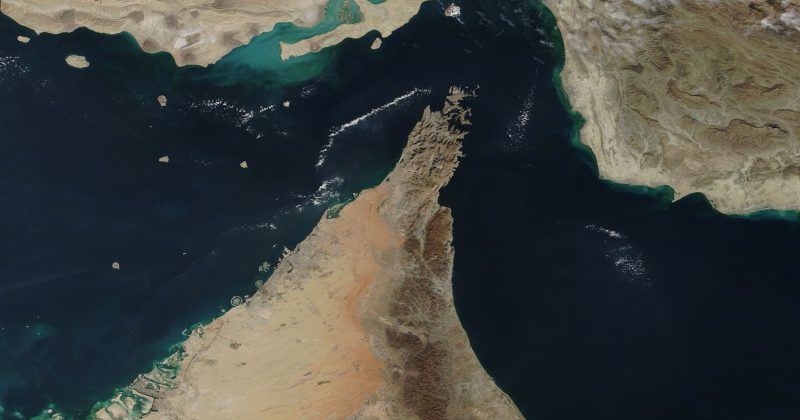
U.S. Treasury Secretary Scott Bessent has declared that the strategic Strait of Hormuz will be “worthless” within two years. The remark comes amid continuing tensions involving the United States, Israel, and Iran, particularly over control of the Strait. Despite a ceasefire and interim deals earlier this year, the region has experienced heightened military activity.
The Strait of Hormuz, a narrow passage between Oman and Iran, is one of the world’s most important energy chokepoints: roughly a fifth of globally traded oil and a significant share of liquefied natural gas pass through it, which is why disruptions there have historically drawn attention from oil markets, shippers, and insurers alike. Bessent’s comments suggest a lack of optimism about the future stability and strategic importance of the Strait. The statement may also influence perceptions about the likelihood of reaching a U.S.-Iran agreement that would restore normalcy to the region.
Key Takeaways
Bessent’s statement appears to reflect a pessimistic outlook on the future strategic value of the Strait of Hormuz.
Market pricing suggests a decreased probability of a U.S.-Iran agreement, as evidenced by declining YES odds across relevant prediction markets.
Recent activity in the region, including naval blockades and attacks on shipping, appears consistent with scenarios in which an agreement is less likely.
What to Watch
Observers will be monitoring developments in the U.S.-Iran dialogue, particularly any new statements from key actors such as U.S. President Donald Trump and Iran’s Foreign Minister Abbas Araghchi. An official announcement or a formal extension of ceasefire terms could shift market sentiment. Conversely, any new military escalations or statements indicating continued restrictions on the Strait could further reduce confidence in a resolution.
In addition, updates from shipping insurers and PortWatch data regarding transit patterns will provide further indications of how the situation evolves.
