Jenrick pledges to raise tax-free personal allowance to £15,000
Key Takeaways
- •Robert Jenrick pledged to raise the tax-free personal allowance from £12,570 to £15,000 in his first budget if Reform UK enters government, at a cost of £21 billion.
- •Reform would aim to eventually increase the personal allowance to £20,000 once it can be fully funded.
- •The tax cut would be financed through £80 billion in planned spending cuts, including £52 billion from welfare reform, an approach economists have questioned as potentially undeliverable.
- •Party officials say the measure would save most taxpayers around £500 a year and benefit 40 million people.
- •The personal allowance has been frozen at £12,570 for five years under successive Conservative and Labour governments, with Rachel Reeves extending the freeze until April 2031.
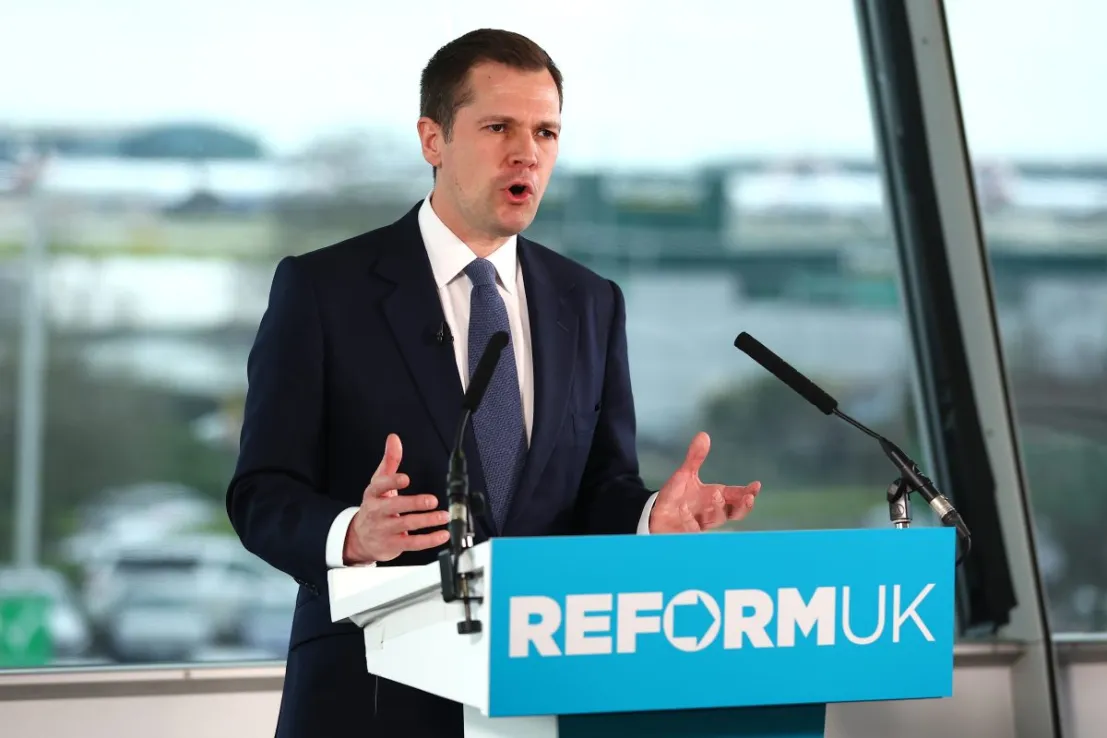
Robert Jenrick has pledged to raise the tax-free personal allowance from £12,570 to £15,000 in his first budget as Chancellor if Reform UK is elected into government.
In a speech on Saturday, Jenrick will say that the £21bn tax cut would demonstrate the party's mission to "choose the worker".
He will add that Reform would push to go "step-by-step" to raise the personal allowance to £20,000 when it can be paid for in full, drawing on the party's last manifesto pledge.
"There has never, in our lifetimes, been a worse time to be a worker in Britain," Jenrick is to tell an audience of party members.
"The hard choice for Burnham and for us is exactly the same. It's either welfare waste, foreign aid and migrants — or the British worker. We choose the worker."
The proposal builds on Reform's economic policy agenda, as Jenrick said at a fringe event that he would prioritise tax cuts for workers over other areas of the UK economy.
Jenrick's biggest tax cut proposal yet
The pledge will be funded from planned £80bn cuts to government spending, of which £52bn would come through welfare reform. Spending reductions of that scale have previously drawn scrutiny from independent fiscal watchdogs and economists, who have questioned whether savings of that size can be delivered in practice without significant impacts on public services — a debate that would accompany any attempt to legislate the cut.
Party officials say the tax cut would save the majority of taxpayers about £500 a year and benefit 40m people overall.
The tax-free personal allowance is tapered off for people on earnings between £100,000 and £125,000, creating the so-called "tax trap" for high earners.
The personal allowance has remained frozen for five years at £12,570 under successive Tory and Labour governments as part of an effort to raise substantial sums of revenue. This has produced what economists call "fiscal drag", whereby taxpayers pay a higher percentage of their income into government coffers as wages and prices rise over time with no changes to the tax bracket. The freeze has been one of the largest single revenue-raising measures of the past decade, which is why any move to lift the allowance carries such a high headline cost.
Analysis by the Taxpayers' Alliance shows that around 500,000 more people will pay the basic rate of tax this year, while 410,000 more people would fall under the higher tax rate of 40 per cent due to wage growth.
Rachel Reeves announced last year that she would freeze the stealth tax at £12,570 until April 2031, despite saying in her first budget in 2024 that tax bands would rise with inflation in the middle of the government's five-year term.
Prior to entering Number 10, Andy Burnham hinted he wanted to unfreeze the personal tax-free allowance, although he later reneged on the idea due to the high costs to the government. Jenrick's pledge now puts the personal allowance at the centre of the political contest over tax, with the eventual fate of the proposal resting on Reform's ability to win office and deliver the spending cuts underpinning it.
