Japan Wages Data, July 2026: Headline Earnings Rise 4.7% y/y, Beating Expectations of 3.9%
Key Takeaways
- •Japan's average cash earnings rose 4.7% year-on-year in July 2026, exceeding the expected 3.9% and the prior 4.0% reading.
- •Nominal wage growth at this pace is the strongest since 1997.
- •Real wages increased 2.4% year-on-year, the largest rise since May 2021, and have now grown for seven straight months.
- •The Bank of Japan views sustained wage momentum as central to assessing whether inflation can durably reach its 2% target.
- •Continued household income strength would support consumption, the largest component of Japanese GDP, with revised Q2 GDP data due next to test BOJ September rate hike expectations.
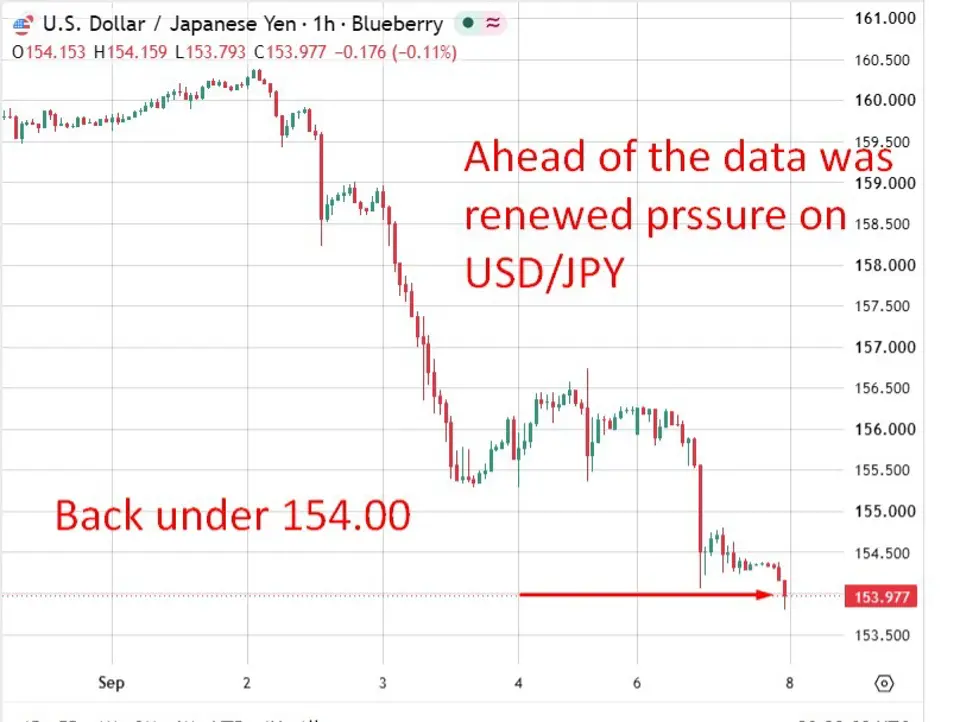
Japan released its wage data for July 2026, showing the following headline figures.
July 2026 wage data (JPY):
- Average Cash Earnings (y/y): +4.7%, versus an expected +3.9% and a prior reading of +4.0%
- Real wages: +2.4% y/y — the biggest increase since May 2021
- Real wages have now risen for a seventh consecutive month
Nominal wage growth at this pace marks the strongest reading since 1997, a period when Japan was emerging from its asset-bubble aftermath. Sustained gains in both nominal and inflation-adjusted pay are a key input for the Bank of Japan, which has repeatedly flagged wage momentum as central to its judgment on whether inflation can durably meet its 2% target. The report lands amid Japan's spring wage negotiations (shunto) having delivered large pay hikes, and continued strength in household income would support consumption, the largest component of Japanese GDP.
Details here: Japan wage growth strongest since 1997, cementing BOJ hike case
Coming up soon: Preview: Japan revised Q2 GDP set to test BOJ September rate hike bets — this release will offer the next read on whether economic growth is consistent with the wage picture firms and policymakers are watching.
