Japan Set to Overhaul Shipping Tax Regime as Maritime Control Becomes Economic Security Priority
Key Takeaways
- •Japan’s Maritime Bureau plans to review four international shipping tax measures together during fiscal 2027 tax reform talks.
- •The review includes the tonnage tax system, which taxes ships by tonnage rather than by company profits.
- •Tokyo is framing shipping tax policy as part of its economic security strategy and supply chain resilience efforts.
- •Japan launched an expert committee last month to reconsider the future structure of international shipping taxation.
- •The broader maritime push includes support for domestic shipbuilding, LNG carrier construction, next-generation ships, and ship repair facilities.
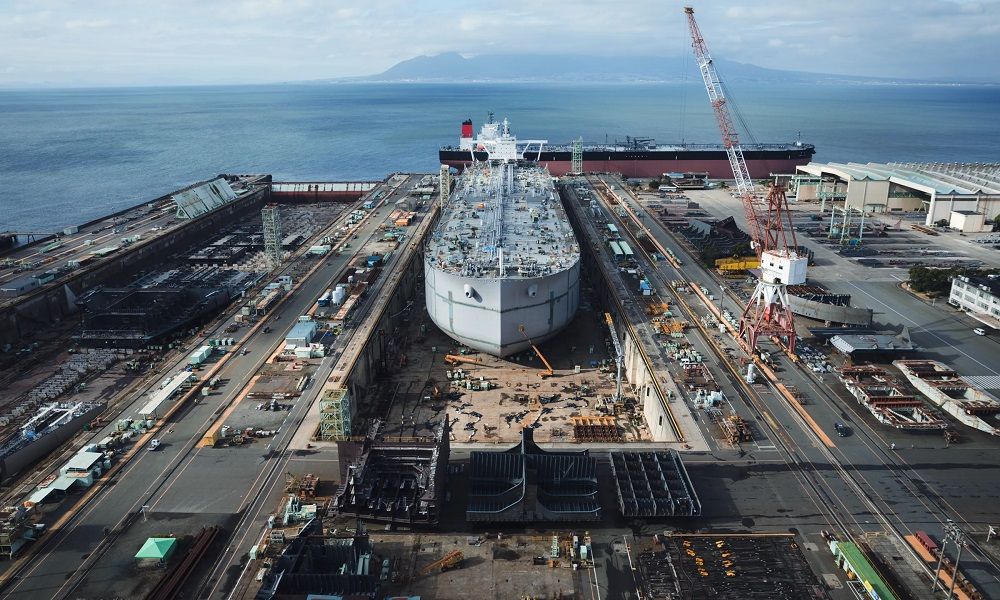
Japan is preparing a broad review of the tax regime that supports its international shipping industry, as Tokyo increasingly treats control over ships and maritime transport as a matter of economic security. The question carries particular weight for Japan, a resource-poor island nation whose energy and food supply depend heavily on seaborne imports.
The Maritime Bureau of the Ministry of Land, Infrastructure, Transport and Tourism announced on Friday that it intends to consider four key tax measures affecting international shipping as a single package during negotiations over Japan's fiscal 2027 tax reform.
The review will cover Japan's tonnage tax regime, with detailed proposals to be developed through discussions involving an expert panel and the country's tax authorities. Tonnage tax systems, which are used by shipping nations around the world, typically levy tax on the basis of a vessel's tonnage rather than a company's actual profits, providing operators with a stable and predictable fiscal burden. Japan adopted its tonnage tax in 2009, following European shipping nations that introduced such regimes from the late 1990s, at a time when Tokyo was seeking to curb the shift of Japanese-owned vessels to foreign flags.
Rather than treating individual shipping tax concessions as routine industry support, Tokyo is increasingly framing them around ensuring that Japan can secure sufficient shipping capacity during geopolitical crises. The framing sits alongside Japan's wider economic security agenda, formalized in policy since the Economic Security Promotion Act of 2022 addressed areas including supply chains and critical infrastructure. Japanese shipping has also had to navigate concrete disruption on key trade routes, with attacks on commercial vessels in the Red Sea since late 2023 forcing widespread rerouting around southern Africa.
The Maritime Bureau describes the objective of the existing tonnage tax system as securing international maritime transport by the Japanese merchant fleet and achieving greater economic security. Similar reasoning underpins reduced registration and fixed-asset taxes for qualifying Japanese ships engaged in international trade.
Japan launched an expert committee last month specifically to reconsider the future structure of its international shipping taxation system. Because Japan's annual tax revisions are typically settled in year-end negotiations between the government and the ruling coalition before Diet approval, the concrete shape of the package is set to emerge only as the fiscal 2027 debate progresses.
The move comes amid a much broader maritime industrial push. Tokyo is simultaneously pouring support into expanding domestic shipbuilding capacity, restarting LNG carrier construction, developing next-generation ships, and strengthening ship repair facilities. The effort targets a sector in which Japan, once the world's dominant shipbuilder, now builds a smaller share of global output than China and South Korea.
Existing tax incentives have already been designed to encourage Japanese owners to build and retain vessels in Japan. Current special depreciation arrangements offer enhanced allowances for qualifying ships, with additional benefits available when vessels are constructed at certified Japanese yards.
Source: Splash247

