Japan's FSA Establishes Dedicated Cryptocurrency and Stablecoin Division
Key Takeaways
- •The FSA created a new Cryptocurrency and Stablecoin Division on August 7, consolidating oversight under three specialized offices within the Asset Management and Insurance Supervision Bureau.
- •Japan reclassified Bitcoin, Ethereum, and 103 other tokens as financial instruments, subjecting them to securities-style regulation including insider trading restrictions and enhanced disclosure requirements.
- •Penalties for unregistered crypto operations have been substantially increased to potential prison sentences of up to 10 years and maximum fines of ¥10 million.
- •Planned tax reforms taking effect January 1, 2028, would reduce crypto gains taxation from rates as high as 55% down to 20%, aligning with the treatment of traditional securities.
- •The FSA has intensified enforcement against offshore crypto platforms, leading Bitget to wind down Japanese operations following Bybit's earlier exit from the market.
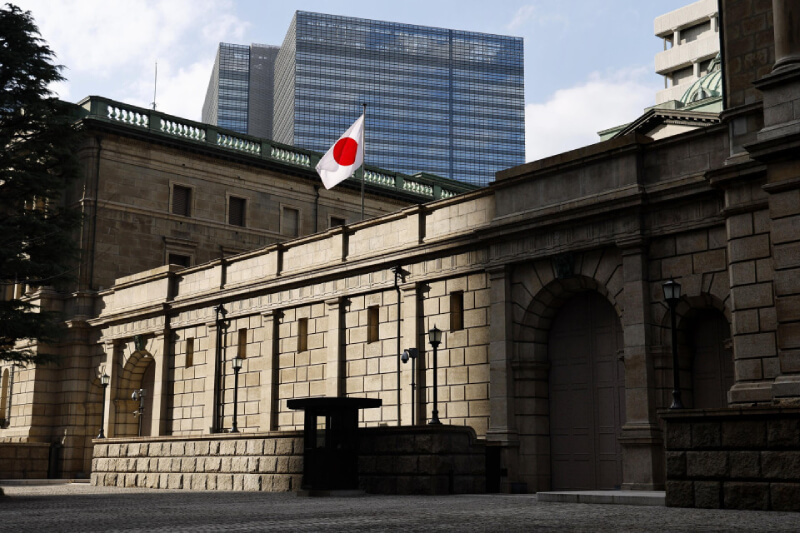
Japan's Financial Services Agency (FSA) has established a dedicated Cryptocurrency and Stablecoin Division as part of a broader restructuring of digital asset oversight, creating three specialized offices to supervise crypto exchanges, promote financial innovation, and shape digital payment policy. The move marks one of the most significant organizational upgrades to Japan's crypto regulatory apparatus since the country began licensing exchanges in 2017 following the Mt. Gox collapse.
The new division was created on Aug. 7, following an Aug. 5 announcement from the agency. The restructuring comes in the wake of legislative amendments that reclassified Bitcoin, Ethereum, and 103 other tokens as financial instruments under Japanese law — a shift that places digital assets under a regulatory regime traditionally reserved for securities.
FSA Creates Three Specialized Crypto Offices
The new division replaces the previous office-level structure that handled cryptocurrency supervision. Under the earlier arrangement, the Cryptocurrency Monitoring Office and the Cryptocurrency and Blockchain Innovation Office operated within the Comprehensive Policy Bureau.
The reorganized division now sits under the Asset Management and Insurance Supervision Bureau and comprises three units: the Cryptocurrency Monitoring Office, the Innovation Promotion Office, and the Digital Payment Planning Office.
According to the FSA, the restructuring is intended to address new regulatory demands arising from financial digitalization and to strengthen supervisory capacity as financial technology continues to evolve. The Cryptocurrency Monitoring Office will be responsible for overseeing crypto exchange operators, while the remaining two offices will focus on financial innovation and digital payment policy development.
The changes align with a comprehensive overhaul of Japan's financial regulations and come as other G7 economies are still developing or refining their own crypto frameworks.
Crypto Reclassified as Financial Instruments
Japan amended its Financial Instruments and Exchange Act to reclassify crypto assets as financial instruments. Previously, digital assets were primarily regulated under the Payment Services Act, which treated them primarily as a means of settlement rather than investment products.
The revised framework introduces insider trading restrictions and additional disclosure requirements for crypto assets. It also significantly increases penalties for operating as an unregistered crypto business. Unregistered operations can now result in prison sentences of up to 10 years, while fines have been raised to a maximum of ¥10 million, up from the previous ceiling of ¥3 million.
The legislative changes also establish a framework that could pave the way for spot crypto exchange-traded funds (ETFs) on the Tokyo Stock Exchange. Finance Minister Satsuki Katayama has stated she will move forward with reviewing ETF approvals. The prospect of spot ETFs in Japan follows launches in the United States and Hong Kong, and could broaden institutional access to crypto exposure through traditional brokerage accounts.
Tax and Stablecoin Rules Also Face Changes
Japan is also preparing changes to its crypto taxation regime, set to take effect on Jan. 1, 2028. The proposed system would apply a 20% tax rate to crypto gains and allow losses to be carried forward. Under current rules, crypto profits can be subject to income tax rates reaching as high as 55%. The proposed rate would align crypto taxation with the rate applied to traditional securities profits, a change industry participants have sought as a way to improve Japan's competitiveness as a crypto market.
On the stablecoin front, MUFG, Mizuho, and Sumitomo Mitsui are participating in stablecoin experiments. Under Japanese law, only licensed banks, money transfer providers, and trust companies are permitted to issue yen-pegged stablecoins. Japan legalized stablecoin issuance in 2023, making it one of the first major economies to establish a comprehensive legal framework for the instruments.
The FSA has also intensified enforcement actions against offshore crypto platforms. Bitget announced it would wind down its Japanese operations following pressure from the FSA, a move that follows Bybit's earlier exit from the Japanese market. The enforcement push signals that Japan intends to ensure all platforms serving Japanese users operate within its licensed regulatory perimeter.

